
Introduction
When I first descended into a dimly lit wine cave during a family trip through Oregon’s wine region, I had no idea I was about to discover an entirely new dimension of wine appreciation. The cool, earthy air mixed with the rich scent of aging barrels created an ambiance unlike any tasting room I’d experienced in all my years exploring California’s wine country. That moment sparked a curiosity that has led me across the country, seeking out the hidden subterranean treasures where American wine caves transform the art of winemaking.
TL;DR / Key Takeaways
- American wine caves offer unique tasting experiences in naturally climate-controlled underground environments
- Cave aging provides consistent temperature and humidity that enhance wine development and complexity
- Notable cave wine tours exist across multiple regions, from California’s Napa Valley to emerging wine destinations throughout the USA
- Planning ahead is essential—many cave tours require advance reservations and offer limited availability
- The sensory experience of tasting wine in caves adds depth to understanding the winemaking process
Cave wine tasting represents a fascinating intersection of tradition, science, and sensory delight. These underground cellars aren’t just romantic settings—they serve a practical purpose that winemakers have understood for centuries. The subterranean environment maintains ideal conditions for aging wine, with stable temperatures and humidity levels that would be costly to replicate above ground.
Whether you’re exploring the limestone caves carved into Napa hillsides or discovering newer cave operations in unexpected regions, US wine tours that include cave experiences offer something special. The journey underground literally and figuratively reveals layers of the winemaking craft that remain hidden in conventional tasting rooms. From the moment you step into the cool darkness, surrounded by rows of oak barrels, you’re participating in a tradition that connects modern American winemaking to centuries-old European practices.
For wine enthusiasts ready to move beyond standard tasting room visits, cave wine tasting experiences provide an unforgettable way to deepen your appreciation for the craft. If you’re looking to expand your wine knowledge even further, consider exploring our guide to winery etiquette tips: 7 essential surprising guidelines to make the most of every visit.
Table of Contents
- Introduction
- What Are Cave Wine Tasting Experiences?
- Top American Wine Caves to Explore
- The Benefits of Cave Aging for Wine
- Planning Your Cave Wine Tour
- Conclusion
- Frequently Asked Questions
What Are Cave Wine Tasting Experiences?
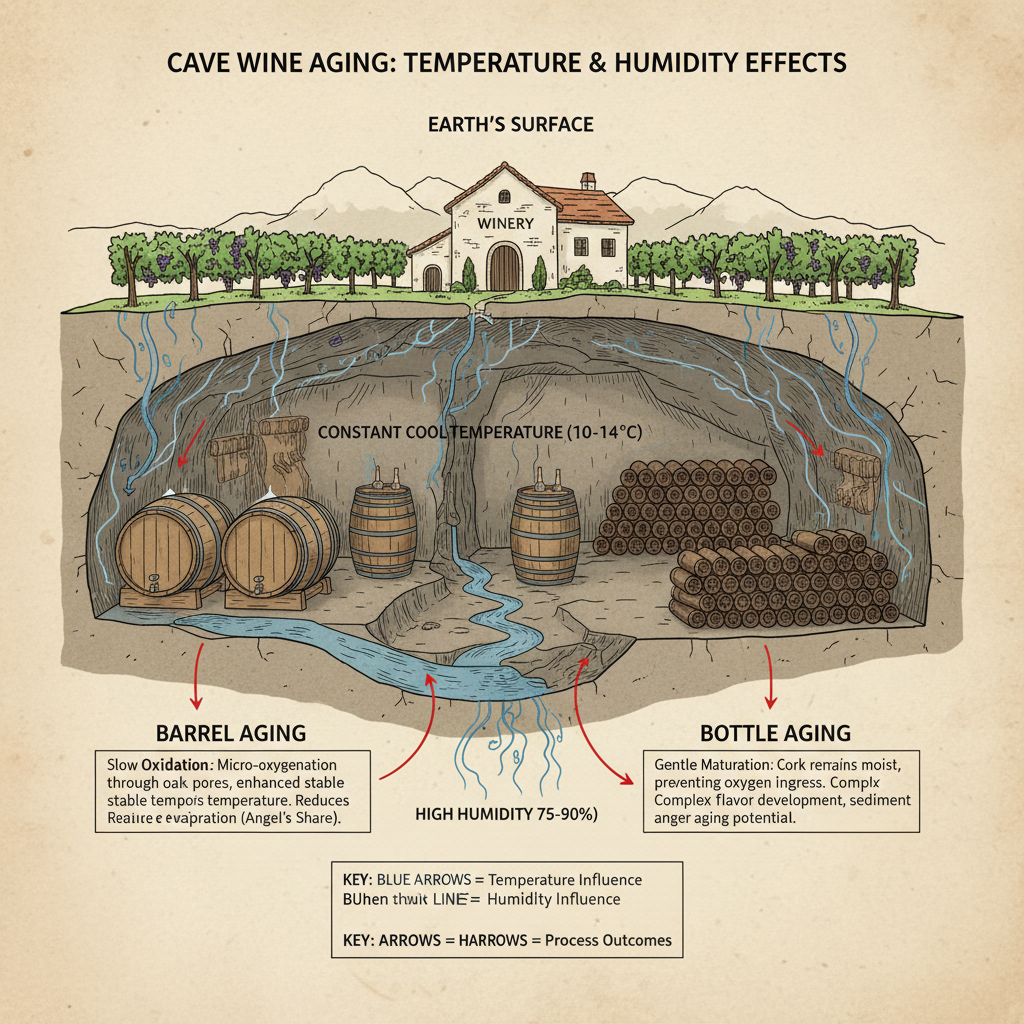
Cave wine tasting experiences invite you to step into the heart of winemaking tradition, where ancient practices meet modern craftsmanship. These underground spaces serve as both aging cellars and tasting venues, offering visitors a unique opportunity to sample wines in the very environment where they mature.
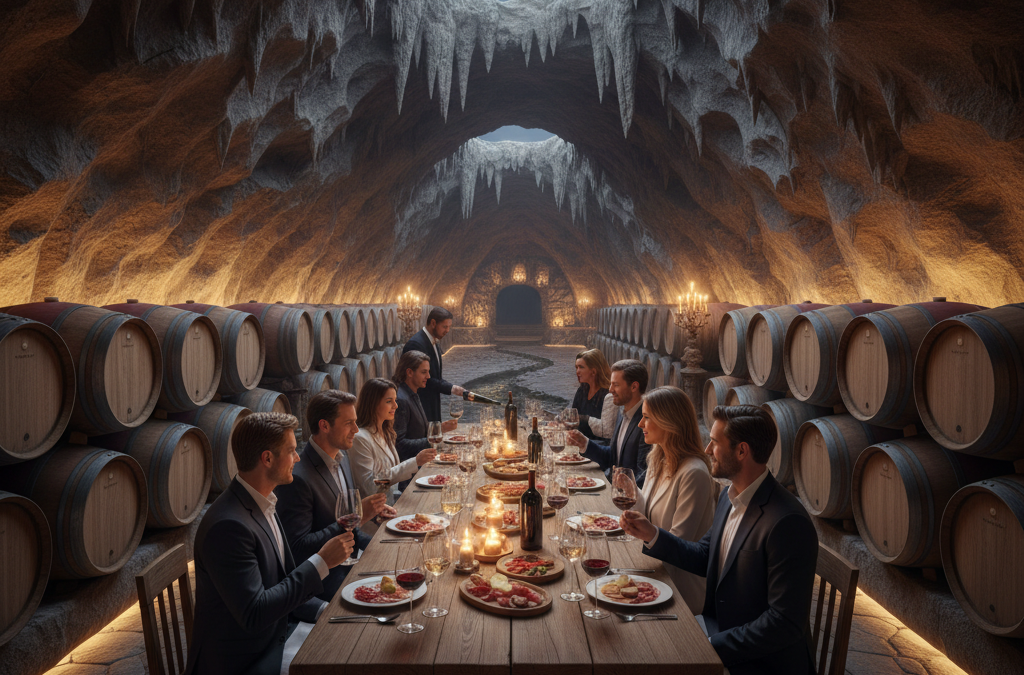
Unlike conventional tasting rooms, cave experiences immerse you in a subterranean world where natural elements shape the wine’s development. The cool, dimly lit atmosphere creates an intimate setting that enhances your sensory appreciation of each pour. Many caves feature historic architecture, hand-carved tunnels, or dramatic natural rock formations that add visual drama to your visit.
What Makes Cave Tastings Unique
The distinctive characteristics of cave wine tasting stem from the environment itself. Wine caves maintain consistent temperature and humidity levels year-round, creating ideal conditions for both aging and tasting. This natural climate control means you’re experiencing wines in their optimal state, just as the winemaker intended.
The sensory experience extends beyond taste. The earthy aroma of limestone or volcanic rock mingles with the scent of oak barrels, while the cool air and quiet ambiance heighten your focus on each wine’s nuances. Some caves incorporate dramatic lighting, music, or artistic installations that transform the tasting into a multisensory journey.
Whether you’re exploring California wine types or discovering new varietals, cave tastings offer a memorable way to deepen your appreciation for the winemaking process. The underground setting connects you directly to centuries of wine tradition while showcasing contemporary innovation in both viticulture and hospitality.
Sources
- The Science Behind Wine Aging — Explains the scientific factors that enhance wine quality over time.
- Why Are Wine Caves Used For Aging — Discusses the ideal conditions for wine aging in caves.
Top American Wine Caves to Explore
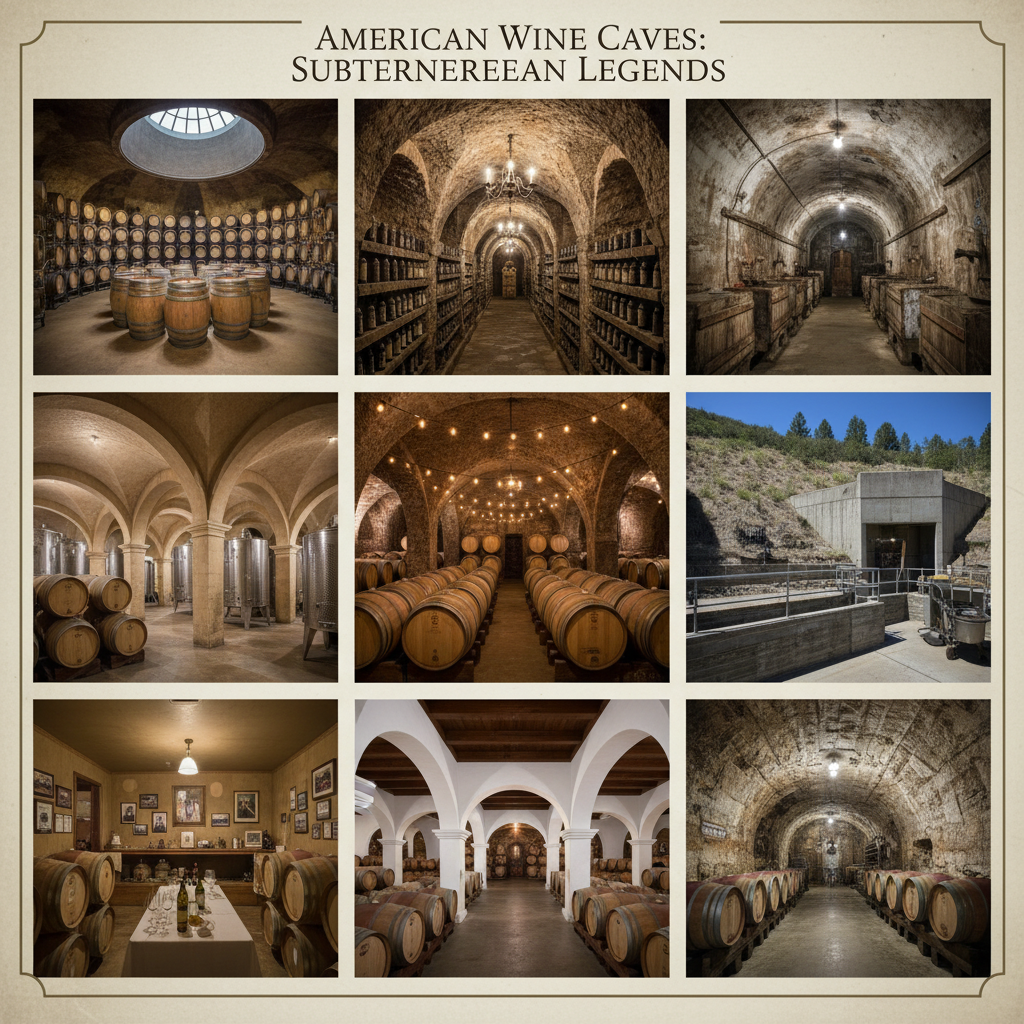
American wine caves offer some of the most memorable tasting experiences you’ll find anywhere in the country. These underground sanctuaries combine natural beauty with centuries-old winemaking traditions, creating an atmosphere that elevates every sip.
Napa Valley’s Legendary Cave Tours
Napa Valley stands as the epicenter of cave wine experiences in the United States. The region’s unique geology makes it ideal for carving extensive underground cellars, and many wineries have transformed these spaces into stunning tasting venues. From caves featuring jaw-dropping natural features to those with thrilling histories, Napa Valley’s wine cave tours showcase the diversity of subterranean wine culture.
The variety of cave experiences in Napa means there’s something for every preference. Some caves maintain a rustic, natural aesthetic that highlights the raw beauty of limestone walls, while others feature elegant chandeliers and polished design elements. Whether you’re seeking an intimate tasting for two or a group adventure, the region’s cave tours deliver unforgettable moments.
Planning Your Cave Winery Visit
When exploring American wine caves, advance reservations are typically essential. Many cave tours operate on limited schedules and fill up quickly, especially during peak seasons. The intimate nature of these underground spaces means smaller group sizes, which actually enhances the experience but requires planning ahead.
Consider the practical aspects of your visit as well. Cave temperatures remain cool year-round, so bringing a light jacket is wise even on warm days. The unique environment creates ideal conditions for wine aging, and you’ll feel that difference the moment you descend into the cool, humid air.
Beyond California: Emerging Cave Destinations
While Napa Valley dominates the American wine cave scene, other regions across the USA are developing their own underground tasting experiences. From Virginia’s historic wine country to emerging destinations in Oregon and New York, wine caves are becoming increasingly popular features at wineries nationwide. These newer cave venues often blend modern design with traditional aging techniques, offering fresh perspectives on the classic cave experience.
Each region brings its own character to cave wine tasting. The geology, climate, and winemaking traditions of different areas create distinct atmospheres and wine styles, making cave tours an excellent way to explore America’s diverse wine landscape.
Sources
- Napa Valley’s Best Wine Cave Tours
- The Best Wine Cave Tour Napa Valley: Tips and Insights
- The 3 Best Wine Caves in Napa Valley
The Benefits of Cave Aging for Wine
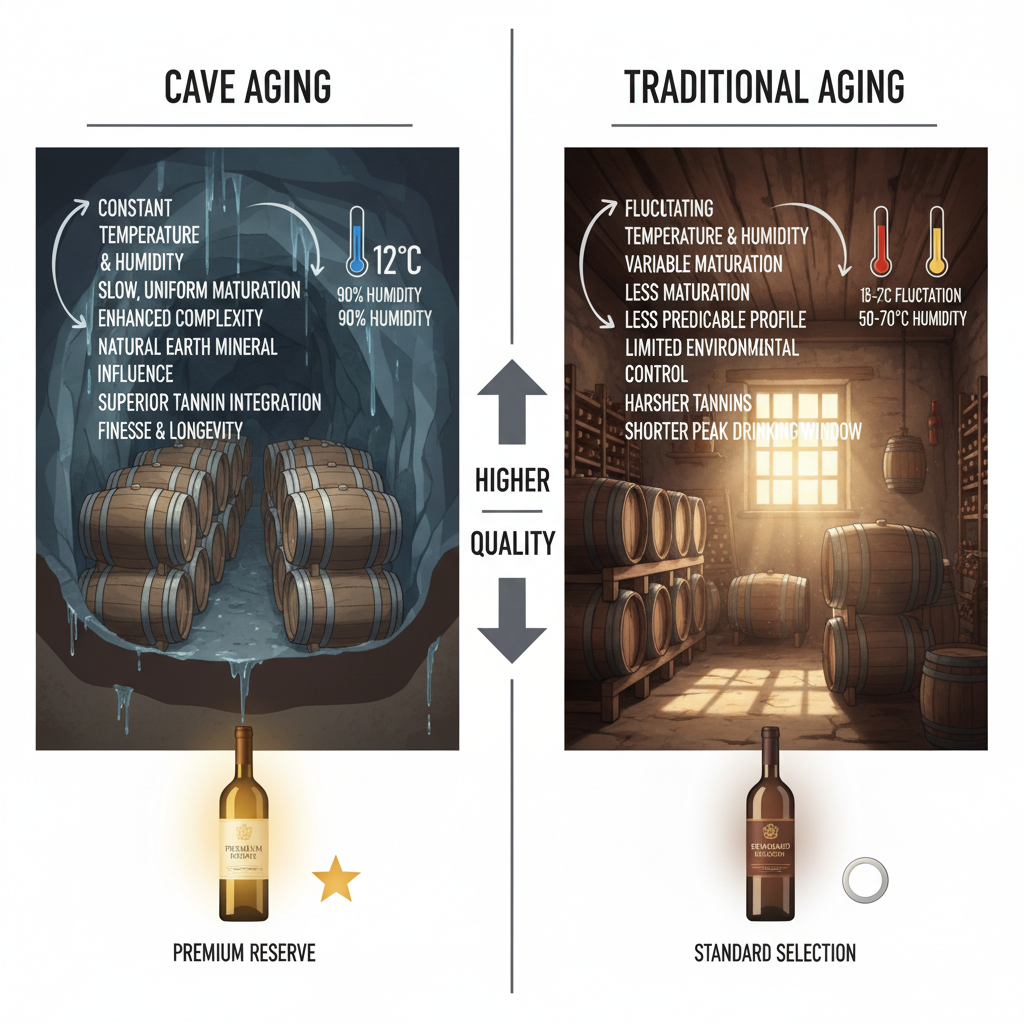
Wine caves offer natural conditions that enhance the aging process in ways that modern climate-controlled facilities work hard to replicate. These subterranean spaces provide an environment where wine can develop complexity and character over time.
Stable Temperature and Humidity
Caves maintain consistent temperature and humidity levels year-round, creating ideal conditions for wine preservation. These natural chambers keep wines at optimal storage temperatures without the need for artificial climate control systems. The stable environment allows wines to age gracefully, developing nuanced flavors and aromas that reflect the winemaker’s vision.
High-quality wines with robust tannins and balanced acidity benefit most from extended aging. The cool, dark, and vibration-free conditions found in caves allow these structural components to integrate smoothly over time.
Enhanced Flavor Development
The aging process in caves allows wines to undergo slow, steady transformations. Tannins soften, acidity mellows, and complex secondary flavors emerge. Wines aged in these conditions often display greater depth and sophistication compared to those stored in less optimal environments.
It’s worth noting that not all wines improve with age. Some wines are crafted for immediate enjoyment, and extended aging can diminish their fresh, vibrant characteristics. Understanding which wines benefit from cave aging helps wine enthusiasts make informed decisions about their cellars.
Natural Preservation
Caves represent centuries-old wisdom in wine preservation. The natural insulation provided by earth and stone protects wines from temperature fluctuations and light exposure, both of which can negatively impact wine quality. This traditional approach to wine storage continues to prove its value in modern winemaking.
For wine lovers exploring American wine caves, these natural benefits translate into exceptional tasting experiences. The wines you’ll sample during cave tours showcase the remarkable impact that proper aging conditions can have on flavor, texture, and overall quality.
Sources
- How Aging Really Affects Wine (And When It Doesn’t)
- Why Are Wine Caves Used For Aging And Can You Replicate It At Home
- The Science Behind Wine Aging: Why Some Wines Get Better Over Time
Sources
- How Aging Really Affects Wine — Discusses the benefits and limitations of wine aging.
- Aged Wine: A Complete Guide to Aging Wine Successfully — Provides insights into the science and tips for aging wine.
Planning Your Cave Wine Tour
Organizing a memorable cave wine tasting experience requires thoughtful preparation and attention to detail. Whether you’re planning a romantic getaway or a group adventure through American wine caves, a well-structured approach ensures you’ll make the most of these unique underground experiences.
Research and Choose Your Destinations
Start by identifying wine caves that align with your preferences and travel plans. Napa Valley offers numerous cave tour options, each with distinct characteristics and atmospheres. Consider factors like the winery’s specialty varietals, tour duration, and the overall ambiance you’re seeking. Some caves feature dramatic natural formations, while others showcase architectural elegance carved into hillsides.
Reservations are essential, as many cave tours have limited capacity to preserve the intimate experience. Book well in advance, especially during peak seasons or weekends.
Consider Timing and Logistics
Plan your tour schedule to allow adequate time between tastings. Cave tours typically last longer than standard tasting room visits, often ranging from one to two hours. Factor in travel time between wineries, particularly if you’re exploring multiple locations in a single day.
Consider the temperature inside wine caves, which remain naturally cool year-round. Bring a light jacket or sweater, even during summer months, to stay comfortable during your underground exploration.
Prepare for the Experience
Arrive with an open mind and curiosity about the winemaking process. Cave aging represents centuries-old wisdom in wine preservation, offering natural temperature control and ideal humidity conditions. Understanding these fundamentals enhances your appreciation of the wines you’ll taste.
If you’re new to wine tours, reviewing basic winery etiquette tips: 7 essential surprising guidelines can help you feel confident and respectful throughout your visit. Remember to pace yourself, take notes on wines you enjoy, and ask questions—guides appreciate engaged visitors who show genuine interest.
Transportation and Safety
Arrange designated transportation before your tour begins. Many visitors opt for professional wine tour services, rideshare options, or designated drivers within their group. This allows everyone to fully enjoy the tasting experience without concerns about driving.
Some cave tours involve uneven surfaces or steps, so wear comfortable, closed-toe shoes with good traction. Check with individual wineries about accessibility if you have specific mobility needs.
Sources
- Aged Wine: A Complete Guide to Aging Wine Successfully
- Underground Wine Caves: Best Cellar Tours
- 20 Winery Cave Tours & Tastings in Napa Valley
Sources
- Underground Wine Caves: Best Cellar Tours — Highlights the significance of wine caves in wine preservation.
Conclusion
Exploring American wine caves offers a truly unique way to experience the artistry and science of winemaking. From the cool, dimly lit chambers of Napa Valley to hidden gems across the country, these subterranean spaces provide an unforgettable setting for tasting wines that have been aged to perfection in ideal conditions.
Throughout this guide, we’ve explored what makes cave wine tasting experiences so special—the natural temperature control, the enhanced aging process, and the atmospheric charm that can’t be replicated above ground. We’ve highlighted notable caves across the USA and shared practical tips for planning your own cave wine tour, from making reservations in advance to understanding what to expect during your visit.
My own journey into the world of cave wine tasting reminded me that even after years of exploring wine country, there are always new layers to uncover. The sensory experience of tasting wine in these serene underground spaces adds a depth and dimension that stays with you long after the last sip. Whether you’re a seasoned wine enthusiast or just beginning your journey, US wine tours that include cave experiences should definitely be on your bucket list.
Ready to plan your next wine adventure? Consider exploring our guide to winery etiquette tips: 7 essential surprising guidelines to ensure you make the most of every tasting experience. The world of American wine caves awaits—each one offering its own story, character, and exceptional wines to discover.
Frequently Asked Questions
What makes American wine caves unique for tastings?
American wine caves offer a distinctive tasting experience that combines natural environmental benefits with architectural beauty. These subterranean spaces maintain consistent temperature and humidity levels, creating ideal conditions for both wine storage and sensory exploration. The cool, dimly lit atmosphere enhances the tasting experience by allowing visitors to focus on the wine’s characteristics without external distractions.
Many caves feature natural limestone or volcanic rock formations that add to the ambiance, while the earthy aromas complement the wine’s bouquet. This immersive environment allows you to appreciate wine in the same conditions where it ages, providing insight into how the cave environment influences the final product.
Which regions in the USA have the best cave wine tours?
Napa Valley leads the way with numerous cave wine tasting experiences, offering everything from intimate boutique caves to expansive underground cellars. The region’s volcanic soil and hillside geography make it ideal for cave construction, and many wineries have carved elaborate tunnel systems into the mountainsides.
Beyond California, wine regions across the country are developing their own cave experiences. Oregon, Virginia, and New York wine regions have begun incorporating cave tours into their offerings, each bringing unique geological features and regional wine styles to the underground tasting experience.
How should I prepare for a cave wine tour?
Planning ahead ensures you’ll have the best possible experience. Cave temperatures remain cool year-round, typically in the mid-50s to low-60s Fahrenheit, so dress in layers and bring a light jacket even during summer months. Comfortable, closed-toe shoes with good traction are essential, as cave floors can be uneven or damp.
Book your tour well in advance, especially during peak season, as many popular caves limit group sizes to maintain an intimate atmosphere. Check whether the winery requires reservations and ask about any physical requirements, such as stairs or walking distances, to ensure the tour matches your comfort level.
Are cave-aged wines better than traditionally aged wines?
Cave aging offers specific advantages that can enhance wine quality, though “better” depends on the wine style and winemaking goals. Caves provide natural temperature stability and humidity control, which are crucial for proper wine development. These consistent conditions allow wines to age gradually and evenly, developing complexity over time.
However, not all wines benefit equally from extended aging. While high-tannin reds and certain whites thrive in cave environments, many wines are crafted for early consumption and won’t improve with prolonged cave aging. The key is matching the aging method to the wine’s structure and intended profile.
What should I expect during a typical cave wine tasting?
Most cave tours begin with an introduction to the winery’s history and the cave’s construction, followed by a guided walk through the underground passages. You’ll see barrel rooms where wines age, learn about the cave’s natural features, and discover how temperature and humidity affect wine development.
The tasting portion typically takes place within the cave itself, allowing you to sample wines in the same environment where they mature. Guides often pour wines at different aging stages, helping you understand how cave conditions influence flavor evolution. Tours usually last between one to two hours and may include small bites or cheese pairings to complement the wines.
Can I visit wine caves year-round?
Yes, wine caves remain accessible throughout the year, making them an excellent choice regardless of season. Their naturally stable temperatures provide comfort during hot summers and shelter during winter months. This year-round appeal makes cave tours particularly attractive when surface conditions might be less favorable for outdoor vineyard walks.
Many wineries adjust their tour schedules seasonally, so check availability and hours before planning your visit. Some caves may have limited access during harvest season when winemaking activities intensify, while others offer special events or extended hours during peak tourist periods.