
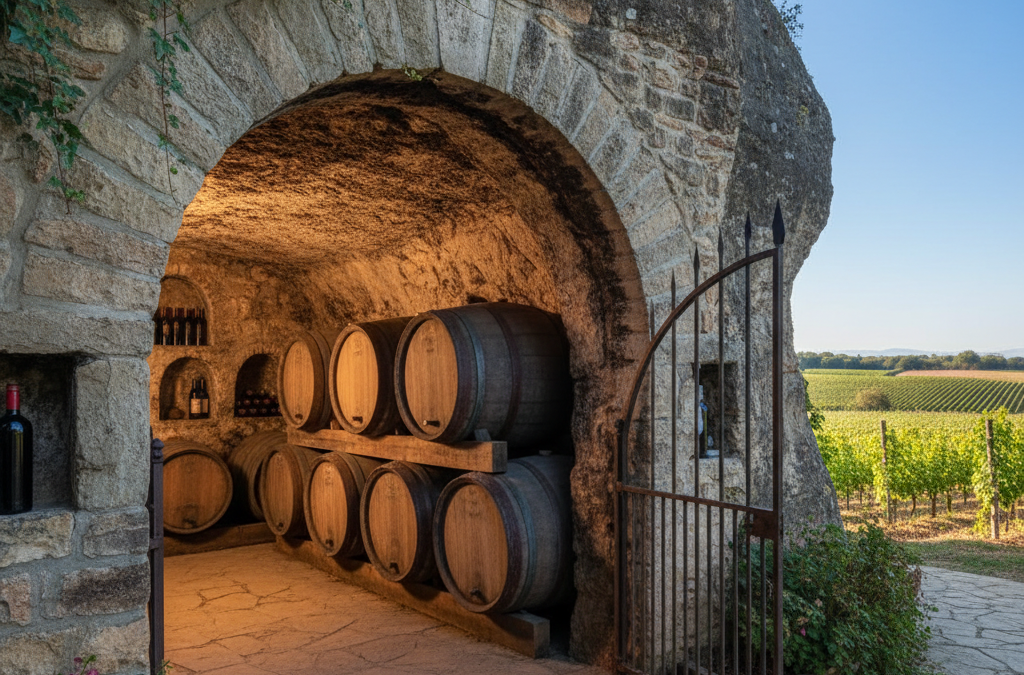
Introduction
Walking into a wine cave feels like stepping into another world—a place where time slows, the air turns cool and earthy, and every bottle tells a story shaped by its underground sanctuary. Cave-aged wines offer something truly special: flavors and textures that can only develop in the unique environment of subterranean cellars. The consistent temperature, natural humidity, and quiet darkness of caves create ideal conditions for aging, allowing wines to mature gracefully and develop complexity that’s hard to replicate elsewhere.
TL;DR / Key Takeaways
- Cave wines are aged in underground cellars where stable temperatures and humidity create optimal aging conditions
- The cool, dark environment of caves allows wines to develop deeper flavors and greater complexity over time
- Cave-aged wines often showcase unique characteristics that reflect their aging environment
- These wines represent a blend of traditional winemaking techniques and modern appreciation for terroir
- Exploring cave wines offers a window into the artistry and patience behind exceptional winemaking
As a Napa Valley native, I’ve had the privilege of visiting many of these subterranean havens, each with its own story to tell. The experience of tasting a wine that has spent years aging in the silent embrace of a cave is something that stays with you—it’s more than just a tasting, it’s a connection to the land and the traditions that have shaped winemaking for generations. Whether you’re new to cave wines or a seasoned enthusiast, understanding what makes these wines special can deepen your appreciation for every bottle.
In this guide, we’ll explore what sets cave wines apart, highlight some of the top selections worth seeking out, and share detailed reviews to help you discover your next favorite bottle. Let’s dive into the world of cave wine reviews and uncover the treasures waiting in these underground cellars.
Table of Contents
What Are Cave Wines?
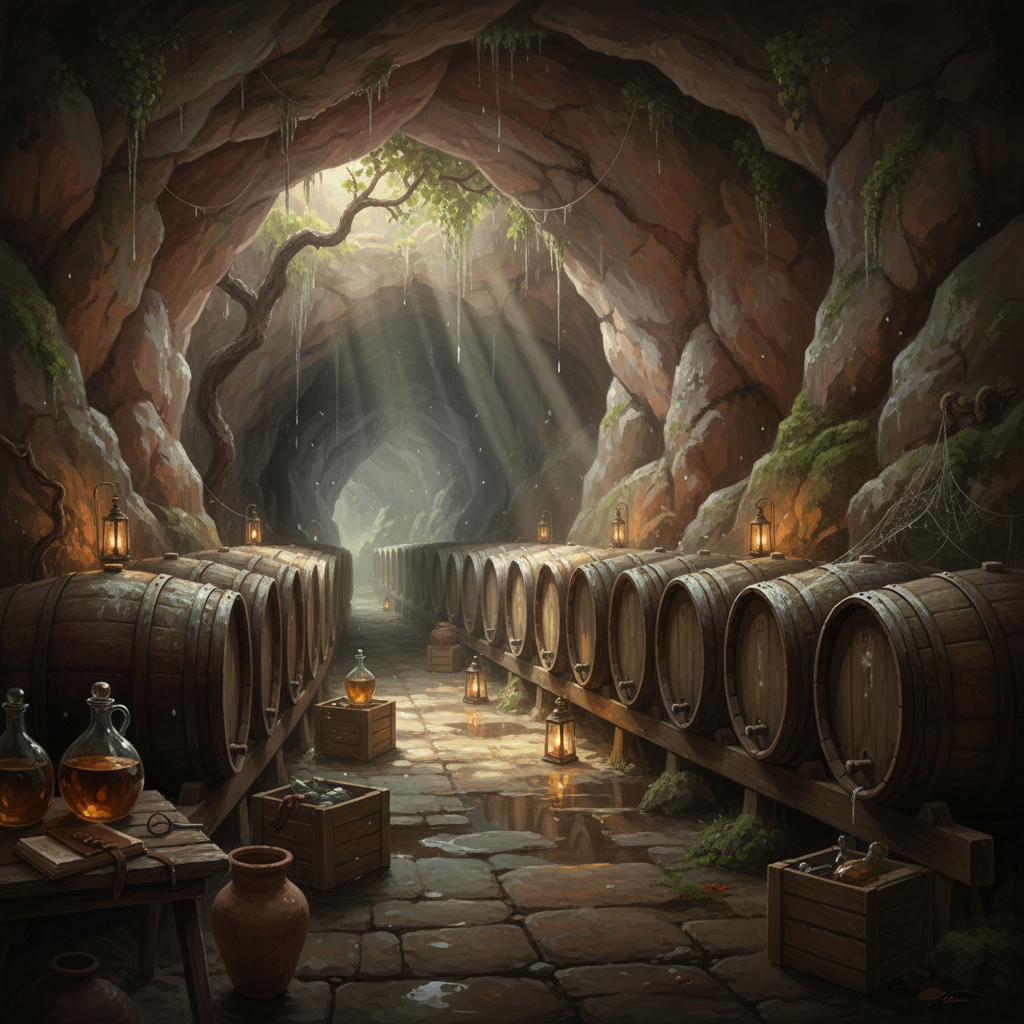
Cave wines are wines that have been aged in natural or man-made underground caves, where consistent temperature and humidity create ideal conditions for maturation. These subterranean environments offer a stable climate that’s difficult to replicate in traditional above-ground cellars, allowing wines to develop slowly and evenly over time.
The cool, humid atmosphere inside caves helps preserve the wine’s delicate flavors while encouraging complex development. Unlike standard storage facilities that require climate control systems, caves naturally maintain temperatures that hover in the ideal range for aging, typically between 55-60°F. This natural stability reduces temperature fluctuations that can stress the wine and affect its quality.
Many winemakers believe that cave aging imparts unique characteristics to their wines. The darkness and stillness of these underground spaces create an almost meditative environment where wines can rest undisturbed. The porous limestone or volcanic rock walls in some caves also help regulate moisture levels, preventing corks from drying out while maintaining optimal humidity.
The Benefits of Cave Aging
Aging wine in caves offers several advantages beyond temperature control. The constant environment allows tannins to soften gradually, resulting in smoother, more integrated flavors. Wines aged in these conditions often develop greater complexity and depth, with subtle earthy notes that enthusiasts associate with terroir.
The tradition of cave aging dates back centuries, particularly in European wine regions where natural caves were the original wine cellars. Today, both Old World and New World producers have embraced this practice, with some wineries excavating their own caves to capture these benefits. For wine lovers interested in exploring these unique aging facilities, American Wine Caves: 7 Surprising Expert Tips For Wine Tours offers guidance on experiencing these remarkable spaces firsthand.
Whether naturally formed or carefully carved into hillsides, wine caves represent a bridge between ancient tradition and modern winemaking, creating wines with distinctive character that reflects both the craft and the environment in which they mature.
Sources
- Exploring the Caves of Rochester, NY — Provides a historical context and insights into the caves that are beneficial for understanding cave wines.
Top Cave Wines to Try
When it comes to exploring top cave wines, the experience is as much about the environment as it is about the bottle. Cave-aged wines develop their character in cool, humid conditions that create a unique aging process. These subterranean sanctuaries offer stable temperatures and natural humidity that allow wines to mature slowly and develop complex flavor profiles.
The best cave wines tend to be bold reds that benefit from extended aging. Cabernet Sauvignon, Pinot Noir, and Merlot are popular choices for cave aging because their tannin structures evolve beautifully in these controlled environments. The cool, consistent temperatures help preserve delicate aromatics while allowing the wine to develop depth and complexity over time.
What Makes Cave Wines Special
Cave-aged wines stand apart because of their aging environment. The natural coolness and humidity of caves create ideal conditions for slow, even maturation. Unlike traditional cellars, caves often maintain temperatures between 55-60°F year-round without artificial climate control. This stability helps wines age gracefully, developing nuanced flavors that can’t be replicated in standard storage.
The earthiness of cave environments can also subtly influence the wine’s character. While the wine remains sealed in barrels or bottles, the ambient conditions contribute to how it evolves. Many winemakers believe that the quiet, undisturbed atmosphere of caves allows wines to rest peacefully, resulting in smoother, more integrated flavors.
Selecting Your Cave Wine Experience
When choosing cave wines to try, consider starting with varietals known for aging potential. Look for wines that have spent at least two to three years in cave conditions. These wines typically showcase deeper fruit flavors, softer tannins, and more complex aromatic profiles than their traditionally-aged counterparts.
If you’re interested in exploring cave-aged wines firsthand, consider visiting wine regions with historic cave systems. For those planning a tour, check out our guide on American Wine Caves: 7 Surprising Expert Tips For Wine Tours to make the most of your tasting experience.
The beauty of cave wines lies in their connection to tradition and place. Each bottle tells a story of patience, craftsmanship, and the unique terroir of its underground aging environment.
Sources
- Comments on: Exploring the Caves of Rochester, NY — Offers additional local insights and experiences related to cave wines.
Cave Wine Reviews
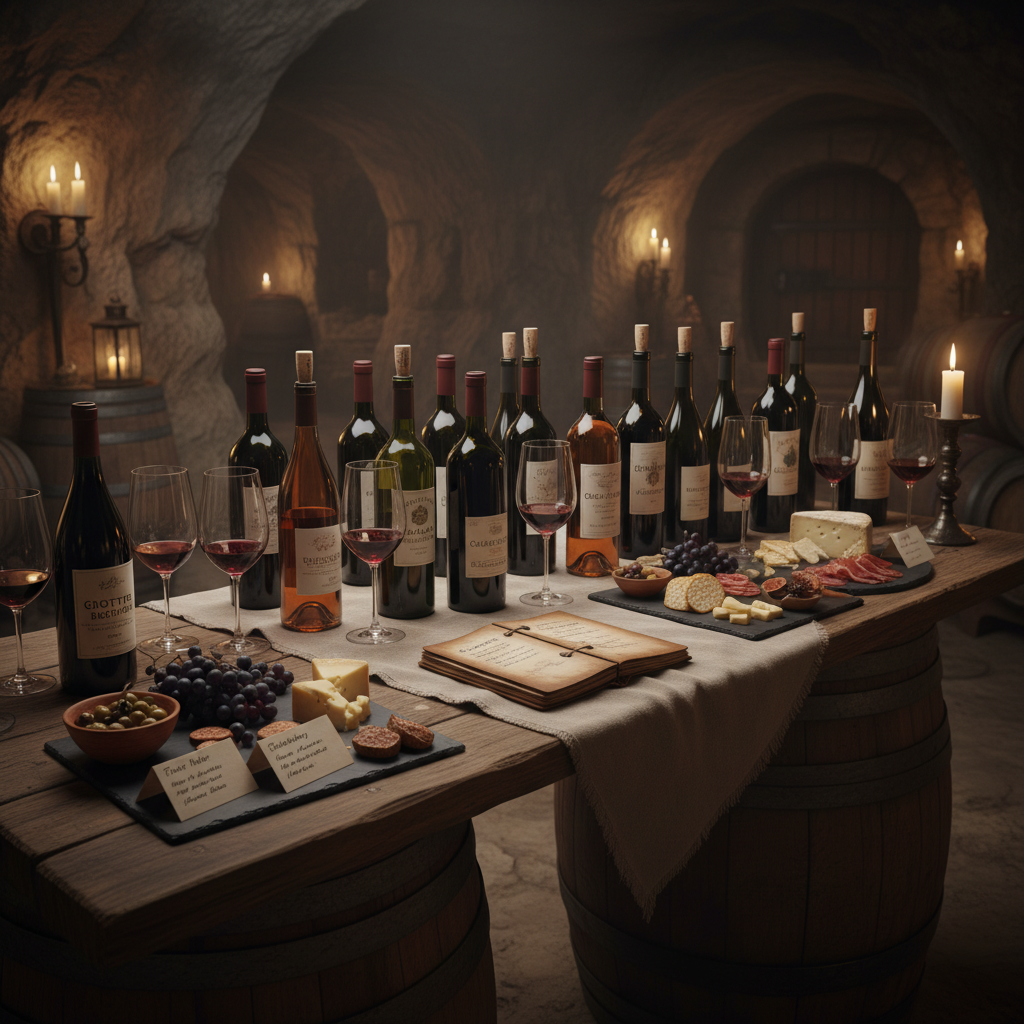
When it comes to cave wine reviews, the experience goes beyond just tasting—it’s about understanding how the unique environment shapes each bottle. Cave-aged wines develop character that simply can’t be replicated in traditional cellars, and that’s what makes reviewing them so fascinating.
The cool, consistent temperatures and natural humidity of wine caves create ideal conditions for slow, even aging. This environment allows wines to develop complexity gradually, resulting in smoother tannins and more integrated flavors. When you’re tasting cave wines, you’re experiencing the result of patience and tradition working together.
What to Look for in Cave Wine Reviews
When evaluating cave wines, focus on a few key characteristics. First, notice the texture—cave-aged wines often have a silkier mouthfeel compared to their traditionally aged counterparts. The extended aging period in stable conditions allows the wine to soften naturally.
Pay attention to the aromatic complexity as well. Cave wines frequently display layered bouquets with earthy undertones that reflect their subterranean origins. You might detect notes of minerality, forest floor, or subtle mushroom alongside the fruit-forward characteristics.
The finish is equally important. Top cave wines typically offer a long, elegant finish that lingers pleasantly on the palate. This extended finish is a hallmark of well-aged wines that have benefited from the stable cave environment.
Tasting Notes and Observations
Cave-aged Cabernet Sauvignon often showcases deep garnet hues with complex aromas of blackberry, cedar, and leather. The palate reveals integrated tannins and a velvety texture, with flavors that unfold gradually. These wines pair beautifully with rich dishes like braised short ribs or aged cheeses.
Chardonnay aged in caves develops a beautiful balance between fruit and oak. Look for notes of ripe apple, vanilla, and subtle butterscotch, with a creamy texture that coats the palate. The natural acidity remains bright, making these wines excellent companions to roasted chicken or seafood in cream sauce.
Pinot Noir from cave aging displays elegant ruby tones and delicate aromas of cherry, earth, and spice. The silky texture and refined tannins make these wines incredibly food-friendly. Try pairing them with duck, salmon, or mushroom-based dishes for a memorable experience.
Pairing Suggestions for Cave Wines
The complexity of cave wines calls for thoughtful food pairings. Rich, cave-aged reds work wonderfully with hearty meat dishes—think grilled steaks, lamb chops, or game meats. The wine’s depth complements the savory flavors while the smooth tannins cut through the richness.
For cave-aged white wines, consider dishes with subtle complexity. Roasted poultry, creamy pasta, or grilled fish with herb butter all make excellent matches. The wine’s texture and balanced acidity enhance these dishes without overwhelming them.
Don’t overlook cheese pairings. Cave-aged wines and artisanal cheeses share a natural affinity, both having benefited from careful aging. Aged cheddar, Gruyère, or even blue cheese can create magical combinations with the right cave wine.
The Cave Aging Advantage
What sets cave wines apart in reviews is their consistent quality. The stable environment eliminates many of the variables that can affect traditional aging. Temperature fluctuations and light exposure—two common concerns in conventional cellars—are virtually eliminated in natural caves.
This consistency means that cave wines often age more predictably, developing their intended characteristics without unexpected variations. For collectors and enthusiasts, this reliability is invaluable. You can purchase cave wines with confidence, knowing they’ve been nurtured in optimal conditions.
The natural humidity in caves also plays a crucial role. It keeps corks properly moistened, preventing oxidation while allowing the wine to breathe just enough. This delicate balance contributes to the wine’s longevity and helps preserve its intended flavor profile.
Evaluating Value in Cave Wines
When reading cave wine reviews, consider the value proposition. Cave-aged wines often command premium prices due to the specialized storage and extended aging periods. However, the enhanced quality and unique characteristics can justify the investment for serious wine enthusiasts.
Look for reviews that discuss not just the immediate drinking experience but also the aging potential. Many cave wines continue to evolve beautifully in the bottle, offering rewards for those patient enough to cellar them further.
Consider also the story behind each wine. Many cave-aged bottles come from wineries with deep historical roots and traditional practices. This heritage adds dimension to the tasting experience, connecting you to generations of winemaking tradition.
Sources
- Spencerport Rail Bridge Removed — Includes interesting anecdotes that might relate to the cultural context of cave wines.
Conclusion
Exploring cave wines is a journey into the heart of winemaking tradition, where patience and natural conditions create something truly extraordinary. From the cool, humid environments that shape each bottle’s character to the deep, complex flavors that emerge after years of aging, these wines offer an experience that connects us to centuries of craftsmanship.
Whether you’re drawn to the earthy notes of a cave-aged Cabernet or the subtle complexity of wines matured in subterranean cellars, each bottle tells a story of time, place, and dedication. The unique aging process imparts qualities that simply can’t be replicated in modern facilities—a testament to the enduring wisdom of traditional methods.
As I share these discoveries with my own children, I’m reminded of my grandmother’s lessons about the importance of patience in winemaking. These cave wines embody that philosophy perfectly, bridging past and present with every sip. I encourage you to seek out these remarkable bottles and experience for yourself what makes cave-aged wines so special.
Ready to deepen your wine knowledge? Discover more expert insights and tasting guides at American Wine Caves and continue your exploration of wine country traditions.