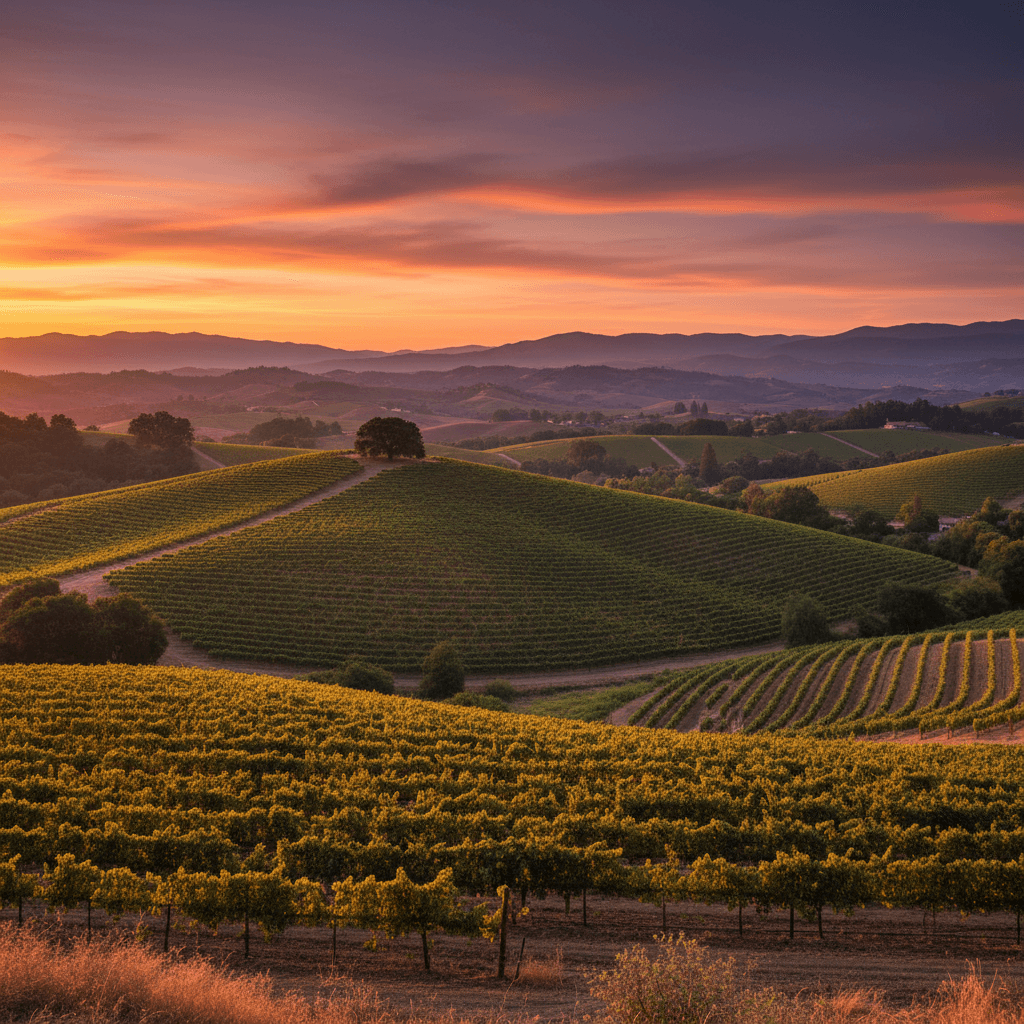
Secret Napa Photography: 9 Essential Surprising Spots
Introduction
Growing up in Napa Valley, I’ve spent countless mornings watching the light shift across vineyards, but the classic rows-of-vines shot started to feel a little too familiar. One weekend, I decided to venture off the beaten path and seek out hidden corners of the valley that capture something deeper—the tranquil essence that makes Napa more than just wine country. What I discovered were secluded hilltops, forgotten agricultural structures, and quiet trails that told stories the crowded overlooks never could.
Key Takeaways
- Hidden photography locations in Napa offer unique perspectives beyond typical vineyard shots
- Early morning light and off-season timing provide the best conditions for capturing secret spots
- Secluded viewpoints, historic structures, and natural landscapes create diverse photographic opportunities
- Respectful exploration and awareness of private property are essential when seeking undiscovered locations
- Planning your route and bringing the right gear maximizes your secret Napa photography adventure
My journey started early one morning on a lesser-known trail just outside of Yountville. As the morning mist rose off the vines, I found myself at a secluded hilltop overlooking layers of grapevines stretching toward the horizon. The soft golden light created a dreamlike quality that my camera loved—and not another photographer in sight.
Continuing deeper into the valley, I stumbled upon an old barn nestled among olive trees. The weathered wooden planks against the open sky became my next frame, a perfect reminder of Napa’s layered history. These hidden gems aren’t just photo opportunities—they’re intimate glimpses into the heart of the valley, waiting to tell their own stories to anyone curious enough to seek them out.
In this guide, I’ll share the types of secret Napa photography locations that transformed my work, from elevated viewpoints to quiet backroads, along with practical tips for finding and capturing these undiscovered spots. Whether you’re a local looking to see your home with fresh eyes or a visitor wanting something beyond the tourist trail, these hidden photography locations offer a chance to experience Napa’s true character.
Sources
Table of Contents
- Introduction
- Why Seek Out Hidden Photography Locations in Napa Valley
- Best Times for Secret Napa Photography Adventures
- Secluded Hilltop Viewpoints and Elevated Perspectives
- Historic Agricultural Structures Off the Main Roads
- Hidden Natural Landscapes Beyond the Vineyards
- Quiet Backroads and Lesser-Known Trails
- Water Features and Seasonal Elements
- Essential Photography Tips for Hidden Locations
- Respectful Exploration and Access Guidelines
- Planning Your Secret Spot Photography Adventure
- Frequently Asked Questions About Hidden Napa Photography
- Conclusion: Your Journey to Undiscovered Napa Photo Opportunities
Why Seek Out Hidden Photography Locations in Napa Valley

While Napa Valley’s iconic vineyard rows and estate wineries make beautiful subjects, venturing beyond these well-photographed spots opens up an entirely different visual narrative. According to the Napa Valley Vintners Association, over 3.85 million visitors explore the region annually, with most concentrating on just 10-15 popular destinations. This concentration creates opportunities for photographers willing to explore beyond the crowds.
The appeal of discovering undiscovered Napa photo locations goes beyond simple novelty. These quieter spots allow you to work at your own pace without competing for angles or waiting for crowds to clear. You’ll find yourself connecting more deeply with the landscape when you’re not surrounded by tour groups, which often translates into more thoughtful, emotionally resonant images.
Less-visited locations also tend to offer better natural lighting conditions. Popular viewpoints are often positioned for accessibility rather than optimal light, while secluded spots may provide ideal golden hour angles or interesting shadow play throughout the day. The absence of parking lots, signage, and infrastructure means cleaner compositions that focus purely on Napa’s natural beauty.
Exploring off the beaten path also strengthens your storytelling as a photographer. Rather than capturing the same perspectives everyone else shoots, you’re documenting your own journey of discovery. These images carry a sense of authenticity that resonates with viewers who are tired of seeing the same locations repeatedly. When you share secret Napa photography from lesser-known corners of the valley, you’re offering something genuinely fresh.
The process of seeking out hidden gems also sharpens your observational skills. You learn to read landscapes differently, noticing subtle details like how morning mist settles in certain valleys or how light filters through particular tree canopies. This heightened awareness improves your photography overall, making you more attuned to photographic opportunities wherever you travel.
Sources
- Guide to Napa Valley’s Hidden Gems: Beyond the Beaten Path
- The Travel Detective, Peter Greenberg, Uncovers Hidden Gems of Napa Valley
Best Times for Secret Napa Photography Adventures
Timing can make or break a photography session in Napa Valley. The same hidden location that looks flat and ordinary at midday can transform into something magical during the golden hours, when soft light wraps around the landscape and brings out textures you didn’t know existed.
Early morning offers some of the most rewarding conditions for secret Napa photography. The valley often wakes up wrapped in mist that rises off the vineyards, creating ethereal layers that add depth and atmosphere to your images. This morning fog typically dissipates by mid-morning, so plan to arrive before sunrise if you want to capture that dreamlike quality. The soft, diffused light also means you can shoot in any direction without harsh shadows or blown-out highlights.
Golden hour—the period shortly after sunrise and before sunset—delivers that warm, directional light photographers dream about. During these windows, the low angle of the sun creates long shadows that add dimension to rustic barns, rolling hills, and vine rows. The quality of light during these times brings out the rich colors of the landscape, from the golden grasses of summer to the burnt oranges and reds of autumn foliage.
Seasonal Considerations for Hidden Spot Photography
Each season in Napa Valley offers distinct photographic opportunities at hidden locations. Spring brings wildflowers to meadows and hillsides, along with fresh green growth in the vineyards. The landscape feels renewed, and the weather is generally mild with occasional dramatic cloud formations that add interest to skies.
Summer provides long days with extended golden hour periods, giving you more time to explore multiple locations in a single outing. The dry season means clearer skies, though midday heat can create harsh light conditions. Early morning and late evening sessions work best during these months.
Fall transforms the valley into a patchwork of colors as vineyard leaves turn yellow, orange, and red. This is also harvest season, which adds activity and visual interest to agricultural scenes. The shorter days mean you’ll need to plan your timing more carefully, but the lower sun angle throughout the day can provide flattering light even outside traditional golden hours.
Winter brings its own charm to undiscovered Napa photo locations. Bare vines create graphic patterns, and occasional rain means dramatic skies and fresh, clean air that enhances visibility. Morning frost can add sparkle to landscapes, and the softer winter light works well for capturing the valley’s more subtle moods.
Weather and Light Quality
Partly cloudy days often produce more interesting images than completely clear skies. Clouds add texture and drama to your compositions, and they can diffuse harsh sunlight during times when you might otherwise struggle with contrast. After a rainstorm, the air is exceptionally clear, colors appear more saturated, and you might catch dramatic light breaking through clearing clouds.
Overcast conditions provide soft, even lighting that works particularly well for photographing rustic structures, detailed textures, and intimate landscape scenes. While these conditions might not deliver the dramatic light of golden hour, they eliminate harsh shadows and allow you to shoot comfortably throughout the day.
Pay attention to the direction of light relative to your subject. Backlighting can create beautiful rim light effects and silhouettes, while side lighting emphasizes texture and depth. Front lighting, though less dramatic, can work well for capturing the full color and detail of a scene.
Planning Around the Light
Scout locations during different times of day when possible. A hillside viewpoint that faces east will be backlit at sunset but beautifully illuminated at sunrise. Understanding how light moves across your chosen locations helps you plan your shooting schedule more effectively.
Consider the moon phase if you’re interested in capturing twilight or night scenes at hidden spots. A full moon can provide enough ambient light to create moody, atmospheric images of the valley’s quieter corners, especially when combined with long exposures.
The quality of light changes not just throughout the day, but throughout the year as the sun’s path shifts. A location that receives perfect morning light in winter might be better suited for evening photography in summer. This variation means hidden spots can offer fresh perspectives across multiple visits.
Secluded Hilltop Viewpoints and Elevated Perspectives

Elevated vantage points offer some of the most compelling opportunities for secret Napa photography. These hilltop locations provide sweeping panoramic views that showcase the valley’s layered beauty—rows of vineyards cascading across rolling terrain, distant mountain ranges creating natural frames, and skies that stretch endlessly above the agricultural landscape.
What makes these elevated perspectives photographically powerful is the sense of depth and scale they provide. From higher ground, you can capture multiple visual layers in a single frame: foreground details like native grasses or weathered fencing, midground vineyard patterns, and background mountain silhouettes. This layering creates dimensionality that draws viewers into the image.
Finding Hidden Elevated Locations
While popular overlooks attract crowds, lesser-known hilltop spots require a bit more exploration. Look for rural roads that wind upward through the valley’s edges, particularly on the eastern and western hillsides. Many of these routes offer pull-off areas where you can safely photograph without trespassing on private property.
Early morning and late afternoon provide the best lighting conditions for hilltop photography. The low-angle sun creates long shadows that emphasize the contours of the landscape, while morning mist often settles in the valleys below, adding an ethereal quality to your images.
Compositional Opportunities
Elevated perspectives naturally lend themselves to wide-angle compositions that emphasize the vastness of the valley. Consider using leading lines—such as vineyard rows or winding roads—to guide the viewer’s eye through the frame. The rule of thirds works particularly well here, with the horizon line positioned in either the upper or lower third of your composition depending on whether the sky or land is more visually interesting.
Don’t overlook the power of telephoto lenses at elevated locations. Compressing distant layers of vineyards and mountains can create abstract patterns and textures that tell a different story than wide-angle shots. These compressed perspectives highlight the agricultural geometry of the valley in ways that feel both intimate and expansive.
For undiscovered Napa photo opportunities, explore trails and backroads that climb away from the main valley floor. These routes often reveal unexpected viewpoints where you can capture the valley’s essence without the distraction of other photographers or tourists.
Historic Agricultural Structures Off the Main Roads
Napa Valley’s rich agricultural heritage extends far beyond its famous vineyards. Scattered throughout the valley’s quieter corners, weathered barns, vintage farm equipment, and rustic structures stand as silent witnesses to the region’s layered history. These architectural remnants offer photographers compelling subjects that tell stories of tradition, perseverance, and the evolution of wine country.
The textural richness of aged wood, rusted metal, and weathered stone creates visual interest that contrasts beautifully with the manicured perfection of modern vineyard estates. These structures provide opportunities for intimate compositions that capture the authentic character of agricultural life.
Finding Historic Structures
While exploring backroads and rural areas, look for abandoned or working farms that feature vintage architecture. Old barns with their distinctive vertical lines, open doorways, and weathered siding create natural frames and leading lines. The contrast between light and shadow in these structures adds depth and drama to photographs.
Rustic buildings often feature interesting details: hand-hewn beams, vintage hardware, peeling paint, and natural patina that develops over decades of exposure to the elements. These elements tell visual stories about craftsmanship and the passage of time.
Composition Techniques for Rustic Architecture
When photographing historic structures, consider the surrounding landscape as part of your composition. A weathered barn against rolling hills or framed by olive trees creates context and scale. Look for angles that emphasize the structure’s relationship to the land it has served for generations.
The golden hours of early morning and late afternoon enhance the textures of aged wood and stone. Side lighting reveals every groove and weathered surface, while backlighting can create dramatic silhouettes. Overcast days provide soft, even light that works well for capturing subtle details and colors.
Respecting Agricultural Heritage
These structures often remain on private property or working farms. Always respect boundaries and seek permission before photographing. Many property owners appreciate when visitors show genuine interest in preserving the visual history of their land, but trespassing damages relationships and can limit access for all photographers.
When you find a photogenic historic structure, take time to observe how it fits into the broader agricultural landscape. Consider what crops or activities might have defined this place decades ago, and how those stories might be reflected in your images.
Hidden Natural Landscapes Beyond the Vineyards
While Napa Valley is renowned for its vineyard-covered hillsides, the region’s diverse natural landscapes offer photographers a wealth of undiscovered opportunities. Beyond the rows of grapevines, you’ll find oak groves, olive orchards, wildflower meadows, and creek beds that tell a different story of this California valley.
Oak Groves and Native Woodlands
Napa’s native oak groves provide dramatic natural framing opportunities with their gnarled branches and dappled sunlight. These ancient trees create compelling foreground elements and add depth to landscape compositions. Early morning or late afternoon light filtering through oak canopies produces beautiful patterns and textures that contrast beautifully with the manicured vineyard landscapes.
Look for clusters of valley oaks and live oaks along the valley floor and in the foothills. These trees often frame distant mountain views and create natural leading lines through their branch structures.
Olive Orchards and Mediterranean Character
Olive groves scattered throughout Napa Valley offer a distinctly Mediterranean aesthetic. The silvery-green foliage and twisted trunks of mature olive trees create interesting compositional elements, especially when photographed in soft, directional light.
These orchards often feature geometric planting patterns that provide strong visual rhythm in photographs. The contrast between the olive trees’ delicate leaves and the rugged bark textures offers opportunities for both wide landscape shots and intimate detail work.
Wildflower Meadows and Seasonal Color
During spring, Napa’s hillsides and meadows burst with California poppies, lupines, and native wildflowers. These seasonal displays add vibrant foreground interest to valley views and create opportunities for macro photography.
Wildflower meadows are often found along hiking trails and in less-cultivated areas between vineyards. The peak bloom typically occurs in March through May, depending on winter rainfall patterns.
Creek Beds and Riparian Zones
Seasonal streams and permanent creek beds wind through Napa Valley, creating natural corridors of vegetation and wildlife habitat. These riparian areas offer cooler tones and lush greenery that contrast with the golden hillsides of summer and fall.
Creek beds provide opportunities to capture flowing water, reflections, and the interplay of light through overhanging vegetation. During wet seasons, these areas come alive with moss-covered rocks and cascading water features.
Native Vegetation Areas
Areas of native chaparral, grasslands, and sage scrub offer a glimpse of Napa Valley’s pre-agricultural landscape. These natural zones typically feature on steeper hillsides and protected areas, providing textural variety and earthy color palettes that differ from cultivated landscapes.
The native vegetation shifts dramatically with the seasons—from emerald green in winter and spring to golden amber in summer and fall—offering photographers ever-changing color stories throughout the year.
Sources
Quiet Backroads and Lesser-Known Trails

Beyond the main thoroughfares, Napa Valley’s network of quiet backroads and trails offers photographers a chance to capture the region’s natural beauty without the crowds. These rural routes provide compelling compositional elements—from tree-lined canopies that create natural frames to winding roads that draw the eye through the landscape.
Many of these backroads wind through less-traveled areas where you’ll find seasonal foliage that changes dramatically throughout the year. Spring brings fresh green growth, summer offers deep verdant tones, fall provides golden and amber hues, and winter reveals the valley’s structural bones through bare branches and misty mornings.
Finding Your Route
Scenic drives throughout the valley often lead to unexpected photography opportunities. Look for roads that curve gently through the landscape—these natural leading lines guide viewers through your composition and create depth in your images. Tree canopies overhead add dimension and can filter harsh midday light into softer, more flattering tones.
Pay attention to how light interacts with foliage at different times of day. Early morning and late afternoon create dappled patterns through leaves, adding texture and interest to otherwise simple scenes. These same backroads that offer beautiful drives can become intimate photography settings when explored with intention.
For photographers seeking guided wine tours that incorporate photography stops, many local tour operators now offer customized routes that balance wine tasting with scenic photography opportunities.
Safety and Exploration
When photographing along rural roads, always prioritize safety. Pull completely off the roadway when stopping, and remain aware of traffic even on quiet routes. Many backroads have narrow shoulders and limited visibility around curves.
Respect private property boundaries and stay on public roads or designated trails. The most photogenic spots are often visible from public access points—you don’t need to trespass to capture compelling images. If you’re unsure about access, it’s better to move on to another location than risk overstepping boundaries.
Bring appropriate gear for changing conditions: comfortable walking shoes, layers for temperature shifts, and sun protection. A lightweight tripod can help you capture sharper images in the filtered light beneath tree canopies, where slower shutter speeds may be necessary.
Water Features and Seasonal Elements
Napa Valley’s hidden water features and seasonal weather patterns create some of the most atmospheric photography opportunities in the region. While vineyards dominate the landscape, discovering secluded ponds, seasonal streams, and fog-draped valleys adds depth and variety to your secret Napa photography portfolio.
Morning Fog and Atmospheric Conditions
The valley’s unique topography creates stunning fog patterns, especially during early morning hours. These natural phenomena roll through vineyard valleys, creating layers of depth and mystery that transform ordinary scenes into ethereal compositions. The interplay between fog, light, and landscape produces conditions ideal for capturing the valley’s tranquil essence.
Timing is everything when photographing fog. Arrive before sunrise to capture the fog at its densest, then stay through golden hour as sunlight filters through the mist. This combination of atmospheric moisture and soft light creates the dreamlike quality that makes undiscovered Napa photo locations so compelling.
Seasonal Water Elements
Seasonal streams and creeks appear throughout Napa Valley during wetter months, offering temporary photography opportunities that many visitors miss. These ephemeral water features add movement and sound to your compositions, creating dynamic contrast against the static vineyard rows.
Look for areas where natural drainage patterns create small waterfalls or pooling effects. These spots often feature native vegetation and natural framing elements that enhance your compositions. The reflective qualities of water add another dimension to landscape photography, especially when combined with surrounding foliage or architectural elements.
Hidden Ponds and Reflective Surfaces
Scattered throughout the valley are small ponds and water features that serve agricultural purposes but double as stunning photography subjects. These still water surfaces create perfect reflections of surrounding landscapes, doubling the visual impact of your compositions.
Early morning and late afternoon provide the best lighting for reflection photography, when the sun angle creates clear mirror images without harsh glare. Look for ponds surrounded by trees, vineyards, or historic structures to add context and interest to your frames.
Weather-Dependent Opportunities
Different weather conditions create distinct photographic moods. Overcast days provide soft, even lighting ideal for capturing texture and detail without harsh shadows. Post-rain conditions bring saturated colors and dramatic cloud formations that add visual weight to your compositions.
Winter months offer unique opportunities when occasional frost or rare snow events transform the valley. These infrequent weather patterns create once-in-a-season photography moments that showcase Napa’s versatility beyond its summer warmth.
Practical Considerations for Water Photography
When photographing water features, bring appropriate gear to protect your equipment from moisture. A polarizing filter helps manage reflections and enhance color saturation in water surfaces. Consider longer exposures to smooth flowing water, creating that silky effect that adds artistic quality to seasonal streams.
Respect private property boundaries when seeking out these hidden water features. Many ponds and streams are located on working agricultural land, so maintain appropriate distance and avoid disturbing operations or natural habitats.
Sources
Essential Photography Tips for Hidden Locations
Capturing the essence of Napa’s hidden photography spots requires more than just showing up with a camera. The secluded nature of these locations presents unique opportunities and challenges that differ from typical tourist photography.
Gear Recommendations for Remote Locations
When exploring off-the-beaten-path locations, your gear choices can make or break your photography session. A versatile zoom lens allows you to adapt quickly to changing scenes without swapping lenses in dusty or misty conditions. Consider bringing a lightweight tripod for stability during golden hour shots when lighting conditions shift rapidly.
A polarizing filter helps manage reflections and enhances the natural colors of vineyards and skies. Pack extra batteries and memory cards, as remote locations don’t offer convenient restocking options. A small cleaning kit protects your equipment from dust and morning dew common in agricultural areas.
Composition Techniques for Natural Settings
Natural landscapes offer endless compositional possibilities when you know what to look for. Use leading lines created by vineyard rows, country roads, or fence lines to draw viewers into your images. These elements create depth and guide the eye through the frame.
Look for natural framing opportunities through tree branches, barn doorways, or gaps in foliage. This technique adds layers to your composition and creates a sense of discovery. The rule of thirds works beautifully in landscape photography—position horizon lines along the upper or lower third of your frame rather than dead center.
Foreground elements add scale and interest to wide landscape shots. Include wildflowers, weathered fence posts, or textured ground to give viewers a sense of being present in the scene.
Working with Variable Lighting Conditions
Hidden locations often feature unpredictable lighting that changes throughout the day. Early morning mist creates ethereal, diffused light perfect for moody vineyard shots. This soft light minimizes harsh shadows and adds atmospheric depth to your images.
During midday when light is harsher, seek out shaded areas or use the strong shadows creatively as compositional elements. Overcast days provide even, flattering light for capturing rustic structures and natural textures without blown-out highlights.
Golden hour—the hour after sunrise and before sunset—offers warm, directional light that enhances the natural beauty of agricultural landscapes. Position yourself to capture side-lighting that reveals texture in weathered wood, grapevine leaves, and rolling hills.
Capturing Authentic Moments
The best secret Napa photography captures genuine moments rather than staged scenes. Take time to observe your surroundings before shooting. Notice how light interacts with landscape elements, how fog moves through valleys, or how morning dew clings to vineyard leaves.
Shoot in RAW format to preserve maximum detail and flexibility during post-processing. This becomes especially valuable when dealing with challenging lighting situations common in natural settings. Bracket your exposures in high-contrast scenes to ensure you capture detail in both shadows and highlights.
Patience rewards photographers in hidden locations. Wait for optimal light, interesting cloud formations, or atmospheric conditions that transform ordinary scenes into extraordinary images. The tranquil essence of undiscovered Napa photo opportunities reveals itself to those willing to slow down and truly see.
Technical Settings for Landscape Photography
For sharp landscape images, use apertures between f/8 and f/16 to maximize depth of field. This ensures both foreground and background elements remain in focus. Lower ISO settings (100-400) produce cleaner images with less noise, especially important when capturing subtle details in morning mist or textured surfaces.
Shutter speed depends on your creative intent. Faster speeds freeze movement in swaying grasses or leaves, while slower speeds can create dreamy effects with moving clouds or morning fog. When using slower shutter speeds, a tripod becomes essential for maintaining sharpness.
Focus carefully on the most important element in your composition, typically about one-third into the scene for maximum overall sharpness in landscape photography.
Respectful Exploration and Access Guidelines
Exploring hidden photography locations in Napa Valley comes with important responsibilities. The valley’s beauty depends on photographers respecting private property, agricultural operations, and the natural environment that makes these spots so special.
Understanding Property Boundaries
Many of the most photogenic locations in Napa Valley exist on private property or working agricultural land. Before venturing off main roads, always verify whether you’re on public land or need permission to access an area. Vineyards, olive groves, and historic structures are often part of active farming operations where trespassing can disrupt work and damage crops.
If you discover a compelling location on private property, consider reaching out to the landowner for permission. Many property owners appreciate photographers who take the time to ask and may grant access during specific times when operations won’t be affected.
Leave-No-Trace Principles
Preserving Napa’s hidden gems means leaving them exactly as you found them. Pack out everything you bring in, including water bottles, snack wrappers, and any photography equipment packaging. Stay on established trails when they exist to prevent erosion and protect native vegetation.
Avoid disturbing wildlife or removing natural elements like flowers, branches, or rocks for composition purposes. The goal is to capture the scene authentically without altering it for future visitors or photographers.
Respecting Agricultural Operations
Napa Valley’s vineyards and farms are working landscapes where people earn their livelihoods. During harvest season especially, avoid areas where equipment is operating or workers are present. Keep vehicles on designated roads and never drive into fields or vineyards, as tire tracks can damage irrigation systems and compact soil.
Be mindful of gates—if you open one, close it behind you. Livestock and farming operations depend on proper fencing and access control.
Safety Considerations
Rural photography locations can present unique safety challenges. Inform someone of your planned route and expected return time, especially when exploring remote areas. Bring adequate water, sun protection, and a charged phone. Be aware of seasonal hazards like ticks, poison oak, and extreme heat during summer months.
Avoid photographing during severe weather conditions, and never venture onto unstable structures like old barns without assessing their safety first.
Ethical Sharing Practices
When sharing your secret Napa photography online, consider the impact of revealing precise locations. Geotagging can lead to overcrowding at fragile sites or increased trespassing on private property. Instead, share general area descriptions that allow others to discover locations through their own exploration while protecting the spots from overuse.
By following these respectful exploration guidelines, photographers help preserve Napa Valley’s hidden beauty for future generations while maintaining positive relationships with the community that calls this valley home.
Planning Your Secret Spot Photography Adventure
Successful secret Napa photography requires thoughtful preparation beyond just packing your camera. Planning your route, timing your visits, and preparing for variable conditions will help you capture the valley’s hidden beauty while respecting the landscape and its working agricultural operations.
Scout Before You Shoot
If possible, scout potential locations ahead of your main photography session. Drive through areas during different times of day to observe how light interacts with the landscape. Morning drives reveal where fog settles and lifts, while afternoon reconnaissance shows which hillsides catch golden hour light. Take notes on your phone about promising spots, including directional orientation and access points.
Many hidden locations require brief walks from parking areas, so wear comfortable shoes and be prepared to carry your gear. Check weather forecasts not just for rain, but for fog patterns and wind conditions that can dramatically affect your shots.
Essential Gear and Supplies
For undiscovered Napa photo adventures, pack a versatile lens kit that handles both wide landscapes and tighter compositions. A sturdy tripod proves invaluable for low-light conditions common in shaded groves and early morning vineyard rows. Bring lens cleaning supplies—dust and morning dew are constant companions in agricultural areas.
Don’t forget non-photography essentials: water, snacks, sunscreen, and a hat. Cell service can be spotty in remote areas, so download offline maps beforehand. A small backpack distributes weight better than a shoulder bag when walking trails or hillsides.
Timing Your Visit
Plan your photography adventure during shoulder seasons when crowds are lighter and the valley reveals different character. Spring brings wildflowers and fresh vine growth, while autumn offers dramatic color changes in both vineyards and surrounding oak woodlands. Winter’s bare vines and occasional frost create stark, beautiful compositions.
Allocate more time than you think you’ll need. Hidden spots often require slow exploration, and the best shots emerge when you’re not rushing. Build in buffer time for unexpected discoveries—some of the most rewarding secret Napa photography happens when you stumble upon unplanned scenes.
Weather Backup Plans
Napa weather can shift quickly, especially during transitional seasons. Have backup indoor locations ready if outdoor conditions deteriorate. Some historic structures offer protected shooting opportunities, and overcast days create beautifully diffused light for certain compositions.
Fog, rather than being a setback, often enhances hidden location photography by adding atmospheric layers and mystery. Embrace weather variations as opportunities rather than obstacles—dramatic clouds, mist, and even light rain can elevate your images beyond typical sunny-day shots.
Respectful Route Planning
When planning your route, cluster nearby locations to minimize driving while maximizing variety. Mix elevated viewpoints with ground-level scenes, and alternate between open vineyard vistas and intimate natural details. This approach creates a diverse portfolio while being efficient with your time.
Always research property boundaries before your visit. Public roads, designated trails, and marked viewpoints provide ample opportunities without trespassing. If you’re uncertain about access, err on the side of caution and choose clearly public locations.
Sources
- Things to do in Napa: Your Local’s Guide
- The Travel Detective, Peter Greenberg, Uncovers Hidden Gems of Napa Valley
Frequently Asked Questions About Hidden Napa Photography
What are the best hidden photography spots in Napa Valley?
Napa Valley offers numerous undiscovered photo opportunities beyond the typical vineyard shots. Look for secluded hilltop viewpoints that provide panoramic valley perspectives, historic agricultural structures tucked along quiet backroads, and natural landscapes like oak groves and olive orchards. Lesser-known trails near smaller towns often lead to intimate settings with morning mist and dramatic lighting. The key is venturing off the main tourist routes and exploring during early morning or late afternoon hours when crowds are minimal and light quality is optimal.
Do I need permission to photograph on private property in Napa?
Yes, always respect private property boundaries. Much of Napa Valley consists of working agricultural land, including vineyards, farms, and private estates. Never enter gated areas or cross fences without explicit permission. Stick to public roads, designated trails, and public viewpoints. If you find an interesting location on private land, consider contacting the property owner in advance to request access. Many agricultural operations are active businesses, and trespassing can disrupt their work and create liability issues.
What’s the best time of year for secret Napa photography?
Each season offers unique photographic opportunities in Napa Valley. Spring brings wildflowers and fresh green vineyard growth, while fall provides golden and amber tones during harvest season. Winter mornings often feature dramatic fog patterns rolling through the valleys, creating atmospheric layers. Summer offers clear skies and vibrant landscapes, though it can be crowded. For the most tranquil experiences at hidden locations, consider visiting during weekdays in shoulder seasons (late winter through early spring, or late fall) when fewer tourists are present.
What camera equipment do I need for hidden location photography?
You don’t need extensive gear to capture beautiful images at hidden Napa locations. A versatile camera with a standard zoom lens works well for most situations. Consider bringing a wide-angle lens for panoramic valley views and landscape compositions, and a tripod for low-light conditions during golden hour. A polarizing filter can enhance skies and reduce glare on foliage. Most importantly, bring extra batteries and memory cards, as remote locations may not offer charging opportunities. Your smartphone can also capture excellent images if you understand composition and lighting principles.
How can I find undiscovered Napa photo locations?
Discovering hidden photography spots requires curiosity and exploration. Drive quiet backroads away from Highway 29 and the Silverado Trail, particularly in the valley’s less-visited areas. Study topographic maps to identify elevated viewpoints and natural features. Talk to locals at small cafes or farm stands—they often know about scenic spots that don’t appear in guidebooks. Early morning drives allow you to scout locations when lighting is beautiful and roads are quiet. Pay attention to interesting compositions while traveling between destinations, and don’t hesitate to pull over safely when something catches your eye.
Should I share the exact locations of hidden photography spots?
This is a thoughtful question that balances sharing inspiration with preserving special places. Consider sharing general areas or regions rather than precise GPS coordinates, especially for particularly fragile or private locations. When posting images on social media, you might tag the broader region (like “Napa Valley”) rather than specific hidden spots. This approach allows others to discover their own secret locations while preventing overcrowding of sensitive areas. Remember that what makes a location “hidden” is partly its lack of crowds—thoughtful sharing helps maintain that quality for everyone.
What safety considerations should I keep in mind?
When exploring hidden locations for photography, always prioritize safety. Let someone know your planned route and expected return time. Bring water, snacks, and a fully charged phone. Watch for uneven terrain, especially on hillsides and trails. Be aware of weather conditions—morning fog can make roads slippery, and summer heat can be intense. If photographing near roads, park safely and remain visible to traffic. Watch for wildlife and agricultural equipment. Never climb fences or enter restricted areas. Trust your instincts—if a location feels unsafe or unwelcoming, move on to another spot.
Can I photograph at Napa wineries without visiting for a tasting?
Policies vary by winery. Some properties welcome photographers on their grounds, while others restrict access to paying guests only. Many wineries require reservations and may have specific photography policies. If you’re interested in capturing images at a particular winery, contact them in advance to ask about their guidelines. Some smaller, family-owned operations may be more flexible, while larger estates typically have stricter rules. Remember that wineries are businesses, and respecting their policies helps maintain good relationships between photographers and the wine community.
How do I capture the essence of Napa’s hidden beauty?
Capturing Napa’s tranquil essence goes beyond technical skills. Arrive early when soft morning light illuminates the landscape and the valley feels peaceful. Look for layers in your compositions—foreground elements like wildflowers or fence posts, middle-ground vineyards or structures, and distant mountains. Pay attention to atmospheric conditions like fog, which adds depth and mood. Include elements that tell stories about the region’s agricultural heritage and natural beauty. Take time to observe each location quietly before shooting, allowing yourself to feel the place’s character. Your emotional connection to the scene will translate into more compelling images.