Taste Chemistry: Surprising Expert Insights on Wine Pairings
Discover taste chemistry behind wine pairings and why certain combinations work. Expert insights to enhance your dining experience with science.
Introduction
Key Takeaways
- Understanding taste chemistry transforms wine pairings from guesswork into a deliberate art
- The molecular interactions between food and wine create harmonious or discordant flavor experiences
- Pairing principles rooted in science enhance the dining experience by balancing acidity, sweetness, and aromatic compounds
- Cultural traditions often align with scientific principles, validating time-tested pairing wisdom
- Practical knowledge of taste chemistry empowers anyone to create memorable food and wine combinations
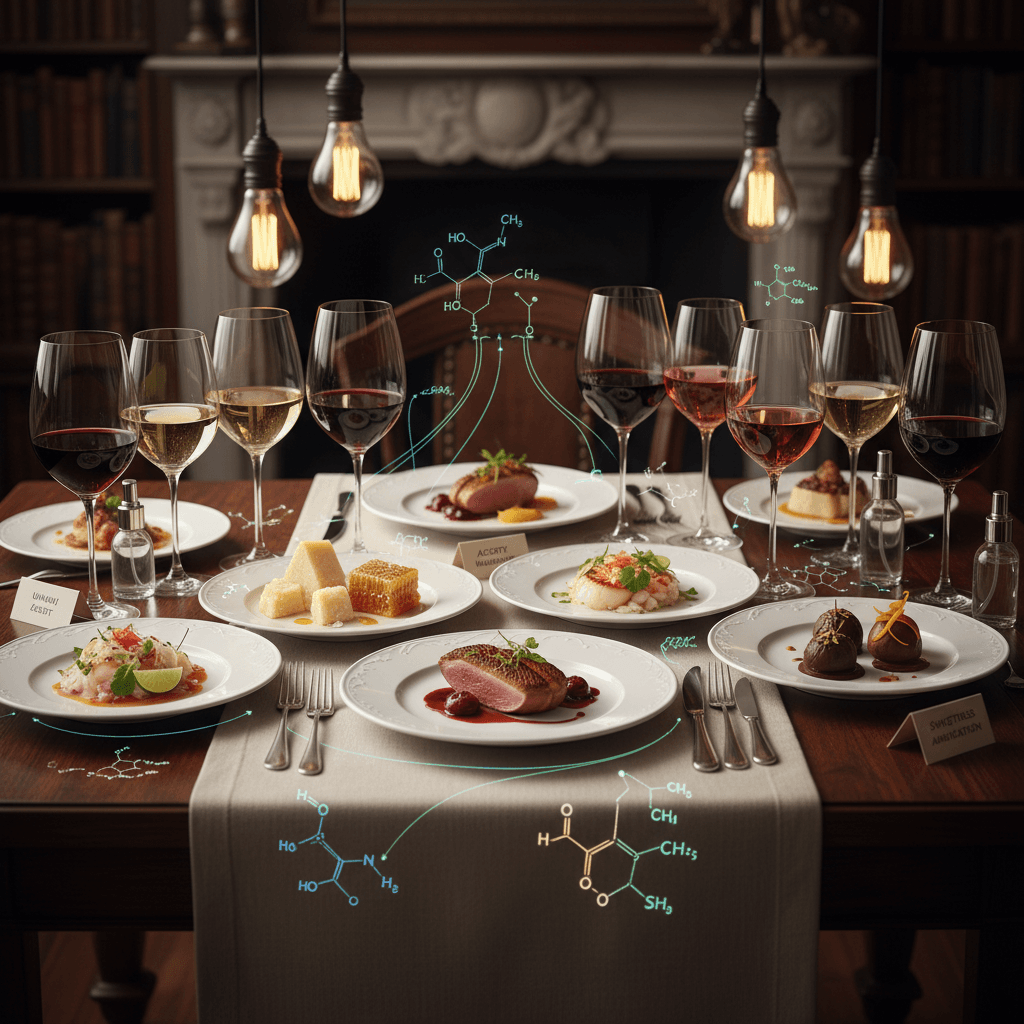
Growing up in my grandmother's Italian restaurant in Napa Valley, wine pairing felt like pure instinct—a family ritual passed down through generations. Yet as I explored the wine world more deeply, I discovered something remarkable: there's genuine science behind why certain combinations work so beautifully. The chemistry of taste became my new fascination, transforming those family traditions into something I could understand and teach.
I remember hosting a tasting at a wine country event, featuring a robust Chianti with an earthy mushroom risotto. My grandmother's simple wisdom—balance the weight, enhance rather than overpower—suddenly made scientific sense. The acidity in the Chianti cut through the risotto's richness because the wine's acids were binding with the dish's fatty compounds. This wasn't just tradition; it was taste chemistry in action.
The science of wine pairings reveals why some combinations elevate both the food and wine while others fall flat. When you understand the molecular dance happening on your palate, you move beyond following rules to making informed, creative choices. Acidity, sweetness, tannins, and aromatic compounds interact in predictable ways, creating either harmony or discord in your mouth.
This knowledge transforms the dining experience from pleasant to extraordinary. Whether you're planning an intimate dinner or exploring seasonal menus at thoughtful establishments, understanding pairing principles gives you confidence. You'll recognize why a crisp white wine refreshes against rich seafood, or how a bold red complements savory meats—not because someone told you to, but because you understand the chemistry.
Sharing these insights has become my own cherished tradition, blending heritage with scientific discovery. The magic of a perfectly paired meal isn't mysterious—it's the beautiful result of taste chemistry working exactly as it should.
Sources
Explore the science of wine pairings and understand why it works, enhancing your dining experience with taste chemistry and pairing principles.
Focus keyword: taste chemistryTone: professional
Table of Contents
- Introduction — Introduce the concept of wine pairings and highlight the importance of understanding the science behind them.
- Table of Contents
- Understanding Taste Chemistry — Explain the basics of taste chemistry and how it relates to wine and food pairings.
- Fundamental Pairing Principles — Discuss the key principles of pairing wine with food, including weight, flavor, and acidity.
- Exploring Acidity and Sweetness — Delve into how acidity and sweetness affect wine pairings and the overall taste experience.
- The Role of Aroma in Pairings — Highlight the importance of aroma in the wine pairing process and how it interacts with food.
- Cultural Influences on Pairings — Examine how different cultures approach wine pairings and the science behind their methods.
- Practical Tips for Pairing Wine — Provide actionable tips for readers to apply the science of wine pairings in their own dining experiences.
- Conclusion — Summarize the key points discussed and encourage readers to explore wine pairings with confidence.
9 sections
Understanding Taste Chemistry
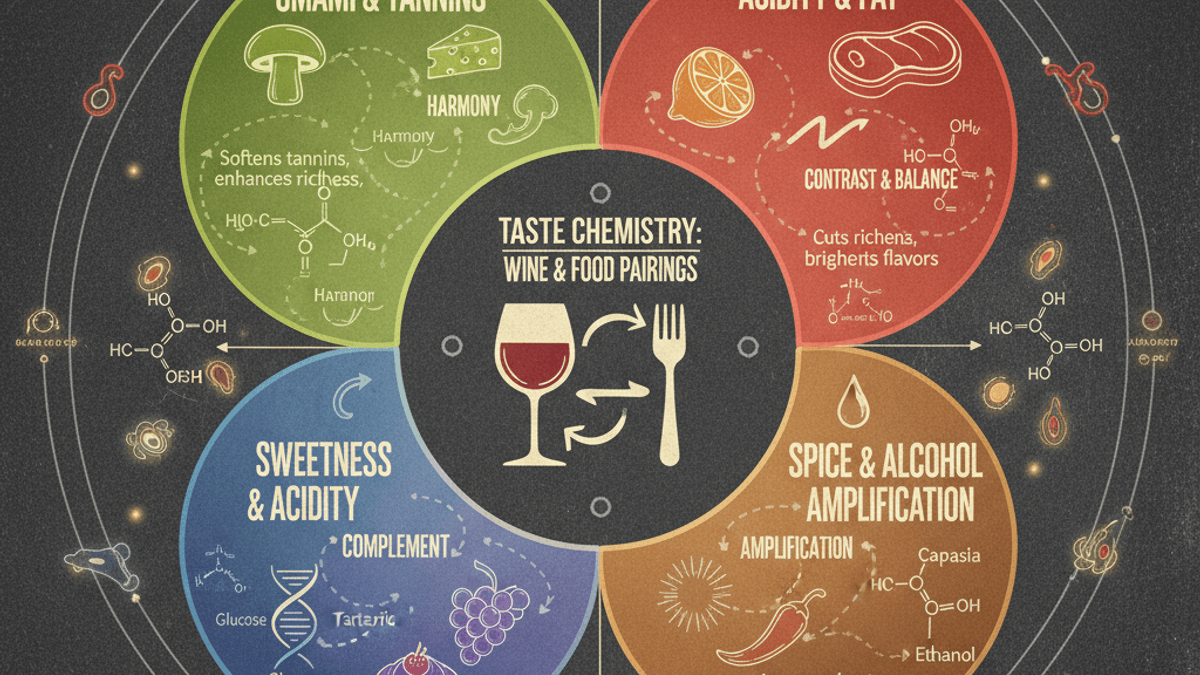
When you take a sip of wine alongside a perfectly paired dish, something remarkable happens on your palate. What feels like magic is actually a sophisticated chemical dance between molecules in your food and wine. Understanding the basics of taste chemistry transforms how you approach pairings and elevates your entire dining experience.
The Building Blocks of Flavor
Taste chemistry begins with recognizing that what we experience as "flavor" is far more complex than simple taste alone. Flavor is a multifaceted sensory experience that combines taste, smell, texture, and temperature. When you enjoy wine with food, all these elements interact simultaneously.
Your tongue identifies five basic tastes: sweet, salty, bitter, sour, and umami. These taste perceptions arise from chemical signals that your taste buds detect. In wine, you'll primarily encounter sweet (from residual sugars), sour (from acids like tartaric and malic acid), and bitter (from tannins). Understanding how these tastes interact with food components is the foundation of successful pairings.
Why Aroma Matters More Than You Think
Here's where taste chemistry gets truly fascinating. Aroma is responsible for up to 80% of our taste perception. This explains why wine seems to "taste" different when you have a cold—you're actually missing most of the aromatic compounds that create the full flavor experience.
When pairing wine with food, the aromatic compounds in both elements either complement or clash with each other. A wine with herbaceous notes might enhance the fresh basil in your pasta, while fruity aromatics can balance savory dishes. The chemical compounds creating these aromas—esters, aldehydes, and terpenes—interact in ways that either amplify or diminish the overall experience.
The Chemistry of Balance
Successful wine pairings rely on chemical balance. Acidic wines work beautifully with rich, fatty foods because the acids help break down fat molecules, cleansing your palate between bites. Sweet wines can counterbalance spicy heat by providing relief to capsaicin-activated receptors on your tongue.
Tannins in red wine bind to proteins in food, which is why a tannic Cabernet Sauvignon pairs so well with a juicy steak. The protein molecules literally bind with the tannin molecules, softening the wine's astringency and making both the wine and food taste better together. This chemical interaction is the science behind what sommeliers have known intuitively for generations.
Understanding these fundamental principles of taste chemistry gives you the confidence to experiment with pairings and predict which combinations will work. The molecular interactions happening on your palate aren't random—they follow predictable patterns rooted in chemistry.
Sources
Fundamental Pairing Principles
When it comes to creating memorable wine and food combinations, understanding a few core principles can transform your dining experience. These guidelines aren't rigid rules—they're frameworks that help you navigate the complex interplay between what's on your plate and what's in your glass.
The Weight Principle
One of the most fundamental concepts in pairing is matching the weight of the wine to the weight of the food. Think of weight as the overall intensity and richness of both components. A delicate white fish would be overwhelmed by a heavy, tannic red wine, just as a robust beef stew would make a light, crisp white wine disappear entirely. The goal is balance: lighter dishes pair with lighter wines, while richer, more substantial foods call for fuller-bodied wines that can stand up to their intensity.
This principle extends beyond just body and texture. Consider the preparation method, sauce richness, and even the cooking technique. Grilled foods tend to have more weight than steamed dishes, and cream-based sauces add considerable heft compared to vinaigrettes.
Flavor Harmony and Contrast
The balance and concentration of flavor components are critical to the overall sensory experience. You can approach pairing from two angles: complementary or contrasting. Complementary pairings echo similar flavor profiles—think earthy mushroom dishes with earthy red wines, or citrus-forward foods with wines that have bright citrus notes.
Contrasting pairings, on the other hand, use opposing characteristics to create balance. A rich, fatty dish might pair beautifully with a high-acid wine that cuts through the richness, cleansing your palate between bites. Sweet wines can balance spicy foods by tempering the heat, while salty foods can make slightly sweet wines taste more balanced.
The Acidity Factor in Taste Chemistry
Acidity plays a starring role in successful pairings. Wines with good acidity act as palate cleansers, cutting through fat and oil while refreshing your taste buds. This is why high-acid wines work so well with rich, creamy dishes—they prevent the meal from feeling heavy or cloying.
The key is ensuring the wine's acidity matches or exceeds the food's acidity. A wine that's lower in acid than the dish it accompanies can taste flat and uninteresting. Conversely, when the acidity levels align, both the food and wine shine brighter.
Aromatic Compounds and Flavor Perception
What we perceive as flavor is actually a combination of taste and aroma, with aromatic compounds making up a significant portion of the overall experience. The volatile compounds in wine—those that evaporate and reach your nose—interact with the aromas from your food to create a unified sensory experience.
This is why certain flavor bridges work so well. When a wine shares aromatic compounds with a dish—such as herbal notes in both a Sauvignon Blanc and a dish featuring fresh herbs—the pairing feels natural and harmonious. Understanding these aromatic connections helps you create pairings that feel intuitively right.
Tannins and Texture
Tannins, those compounds that create a drying sensation in your mouth, deserve special consideration. They interact with proteins and fats in food, which is why tannic red wines pair beautifully with grilled meats. The protein binds with the tannins, softening them and making the wine taste smoother while the wine's structure complements the meat's richness.
For dishes without substantial protein, high-tannin wines can feel harsh and astringent. This is why white wines or low-tannin reds often work better with vegetable-based dishes or lighter proteins like chicken or fish.
Sources
Exploring Acidity and Sweetness
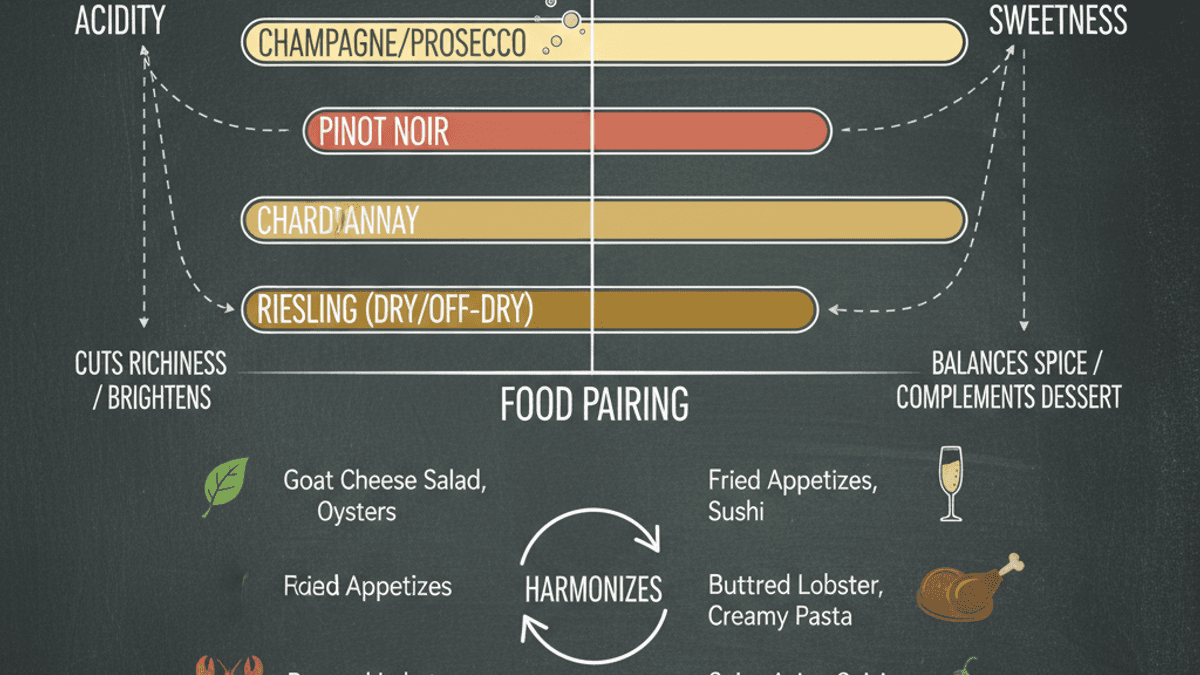
Acidity and sweetness are two of the most powerful elements in taste chemistry, and understanding how they interact can transform your wine pairing choices. These components don't just add flavor—they actively shape how we perceive the entire dining experience.
When you sip a crisp, acidic wine alongside rich food, something remarkable happens on your palate. The acid cuts through fatty compounds, cleansing your mouth and preparing it for the next bite. Think of how a bright Sauvignon Blanc refreshes your palate when paired with creamy goat cheese or buttery seafood.
How Acidity Balances Richness
Acidic wines create contrast with heavy, fatty dishes. The molecular interaction between acids and fats helps reset your taste buds, preventing palate fatigue. This is why wine with higher acidity—like Champagne or Riesling—works beautifully with fried foods or cream-based sauces.
The key is matching intensity. A delicate dish needs a wine with subtle acidity, while bold, rich foods can handle more pronounced tartness. This balance ensures neither the wine nor the food overwhelms the other.
The Sweetness Factor
Sweetness in wine plays a different role entirely. Sweet wines can complement desserts or balance spicy heat in dishes. The perception of sweetness is complex—it's not just about sugar content, but how that sweetness interacts with other taste elements.
Interestingly, sweetness can also soften the perception of acidity in wine. A slightly off-dry Riesling might taste more balanced than a bone-dry version because the residual sugar rounds out the sharp edges. This interplay makes wine pairing endlessly fascinating.
Finding the Sweet Spot
The best pairings often involve strategic use of both acidity and sweetness. A wine that's too sweet can make savory food taste flat, while excessive acidity might clash with already tart dishes. The goal is harmony—where each element enhances rather than competes.
Consider the classic pairing of Sauternes with foie gras. The wine's sweetness doesn't overpower the rich liver; instead, its acidity provides balance, creating a luxurious taste experience that showcases both components.
Experiment with different combinations to discover what works for your palate. Start with simple pairings and pay attention to how acidity cleanses and sweetness complements. These fundamental principles will guide you toward more adventurous and successful wine matches.
Sources
The Role of Aroma in Pairings
When you think about wine pairings, your first instinct might be to focus on taste. But here's the surprising truth: aroma is responsible for up to 80% of our taste perception. That means what you smell is actually shaping most of what you think you're tasting. Understanding this relationship is key to creating memorable wine and food combinations.
How Aroma Shapes Flavor Experience
The science behind this is fascinating. Aromatic compounds make up about 80% of what we experience as flavor. When you sip wine alongside food, your olfactory system is working overtime, detecting volatile compounds from both the wine and the dish. These aromas travel through the back of your throat to your nasal cavity, creating what scientists call retronasal olfaction—the foundation of taste chemistry.
This is why a wine that smells of bright citrus can make a buttery fish dish taste lighter and more refreshing. The aromatic compounds interact with the food's own volatile molecules, creating an entirely new sensory experience that's greater than the sum of its parts.
Matching Aromatic Profiles
The best pairings happen when the aroma of your wine matches and reinforces the aromas in your food. Think about pairing an earthy Pinot Noir with mushroom-based dishes—the forest floor notes in the wine echo the umami-rich aromas of the mushrooms, creating harmony on your palate.
Conversely, when aromatic profiles clash, even technically balanced pairings can fall flat. A heavily oaked Chardonnay might overpower delicate seafood not because of taste alone, but because the vanilla and butter aromas from the oak barrel aging dominate the subtle ocean-fresh notes of the fish.
Practical Aromatic Considerations
When selecting wine for your next meal, take a moment to smell both the wine and the food before the first bite. Notice the dominant aromas—are they fruity, earthy, floral, or spicy? Look for complementary or harmonious aromatic notes rather than competing ones.
Remember that temperature affects aroma release. Warmer wines release more aromatic compounds, which is why red wines are typically served at room temperature. White wines, served chilled, offer more subtle aromatic profiles that work beautifully with lighter dishes.
Sources
Cultural Influences on Pairings
Wine pairing traditions vary dramatically across cultures, each shaped by centuries of regional cuisine, local wine production, and evolving taste preferences. Understanding these cultural approaches reveals how different societies have developed their own taste chemistry principles, often long before modern science could explain why certain combinations work so well.
Regional Pairing Traditions and Their Scientific Basis
Mediterranean cultures have long paired acidic wines with olive oil-rich dishes, a practice that aligns perfectly with the science of fat and acid interaction. Italian traditions of matching Chianti with tomato-based pasta dishes demonstrate an intuitive understanding of how acidity in both wine and food can create balance rather than clash. French wine regions developed the concept of terroir-based pairing—matching local wines with local foods—which often works because grapes and ingredients grown in the same soil and climate conditions share complementary flavor compounds.
Asian culinary traditions present a different approach to pairing principles. While wine culture is newer in many Asian countries, the integration of wine with traditional cuisines has led to innovative combinations. The umami-rich flavors common in Asian cooking require different pairing strategies, often calling for wines with residual sweetness or bright acidity to balance savory depth.
Cross-Cultural Fusion and Modern Pairing Evolution
Contemporary dining experiences increasingly blend cultural traditions, creating new pairing challenges and opportunities. Fusion flavors, such as combinations that merge different culinary traditions, illustrate how cross-cultural combinations are shaping modern taste experiences. These innovative approaches require sommeliers to apply fundamental taste chemistry principles while respecting the unique characteristics of each culinary tradition.
The emotional and memory connections to taste also play a significant role in cultural pairing preferences. Certain flavor combinations evoke strong memories and feelings tied to cultural identity and family traditions. This psychological dimension of pairing extends beyond pure chemistry, reminding us that the best wine pairings often honor both scientific principles and cultural heritage.
Sources
Practical Tips for Pairing Wine
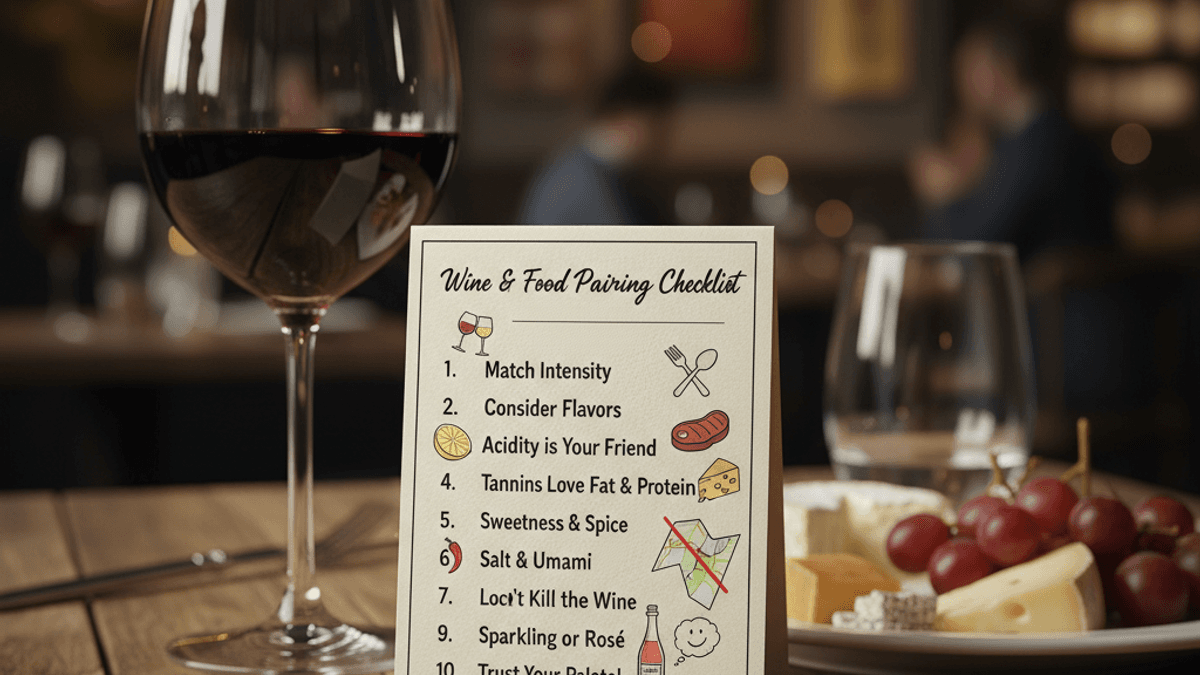
Now that you understand the science behind wine pairings, it's time to put that knowledge into practice. These actionable tips will help you create memorable dining experiences by applying taste chemistry principles in your own kitchen or when dining out.
Start with Quality Ingredients
The foundation of any great pairing begins with the ingredients themselves. Choose minimally processed ingredients whenever possible, as they tend to deliver cleaner, more authentic flavors that interact more predictably with wine. Fresh, high-quality components allow the natural taste chemistry to shine through, making it easier to identify complementary wine characteristics.
When shopping for your meal, consider the intensity of flavors you're working with. Delicate ingredients pair best with lighter wines, while robust, richly flavored foods can stand up to fuller-bodied options.
Match Aromas to Enhance the Experience
One of the most overlooked aspects of pairing is ensuring that the aroma of your wine complements the aroma of your dish. The scent of a wine can significantly influence how we perceive its taste, so look for aromatic connections between your food and wine selections.
For example, if you're preparing a dish with earthy mushrooms, seek out wines with similar earthy notes. Herbal dishes pair beautifully with wines that exhibit herbaceous qualities. This aromatic harmony creates a more cohesive tasting experience.
Create Your Own Tasting Setup
Developing your palate takes practice, and setting up a simple tasting station at home can accelerate your learning. Use clear glasses to observe the wine's color and clarity, keep plain crackers or apple slices nearby for palate cleansing between sips, and maintain a notepad to record your observations.
This methodical approach helps you identify patterns in what works and what doesn't. Over time, you'll develop an intuitive sense for successful pairings based on your own taste preferences.
Balance Weight and Intensity
Think of pairing as a balancing act. The weight of your wine should match the weight of your food. Light-bodied wines complement delicate dishes, while full-bodied wines pair better with hearty, rich preparations.
Similarly, match intensity levels. A subtly flavored dish will be overwhelmed by an intensely flavored wine, while a bold dish needs a wine with enough character to hold its own.
Experiment with Confidence
The beauty of understanding taste chemistry is that it gives you a framework for experimentation. Don't be afraid to try unconventional pairings based on the principles you've learned. Some of the most exciting discoveries happen when you step outside traditional guidelines.
Start with small tastings before committing to a full bottle. Sample a bite of food, take a sip of wine, and pay attention to how the flavors interact. Does the wine enhance the dish? Does the food bring out new dimensions in the wine? Trust your palate and adjust accordingly.
Sources
Conclusion
Understanding the science behind wine pairings transforms every meal into an opportunity for discovery. From the molecular interactions of acidity cutting through rich foods to the emotional connections that certain flavor combinations evoke, taste chemistry offers a framework for creating memorable dining experiences. The principles we've explored—balancing weight, complementing flavors, and considering aroma—aren't rigid rules but rather guidelines that empower you to experiment with confidence.
Growing up surrounded by wine and food in Napa Valley taught me that pairing is both art and science. The molecular dance happening on our palates when a robust wine meets an earthy dish is something I've come to appreciate deeply. Sharing these insights has become one of my greatest joys, watching others recognize the magic in a thoughtfully paired meal.
Whether you're hosting a dinner party or simply enjoying a quiet evening at home, apply what you've learned about taste chemistry to elevate your experience. Start with the fundamentals—match the wine's body to the dish's richness, use acidity to balance fat, and don't be afraid to trust your palate. Every pairing is an experiment, and even unexpected combinations can reveal surprising harmonies.
The beauty of wine pairing lies in its accessibility. You don't need a sommelier's credentials to create wonderful matches. Armed with an understanding of how flavors interact, you can approach your wine selections with newfound confidence. Explore, taste, and most importantly, enjoy the journey of discovering which combinations resonate with your unique preferences.
Sources
Related reading
Things to Do in Napa: 18 Ways to Spend a Day in the City
Related reading
Wine Tasting Trends: 9 Surprising Expert Insights to Explore
Pet-friendly Wine Tours: 7 Surprising Expert Tips For Sonoma
Cave Fermentation: 9 Surprising Expert Insights Into The Process
Guided Wine Tours: 7 Surprising Expert Pros And Cons