Dry White Wines: Best Bottles for Every Occasion
Introduction
Dry white wines have become my go-to recommendation for anyone looking to elevate their wine experience. After years of guiding tastings across wine country, I've watched countless guests discover that "dry" doesn't mean boring—it means clean, crisp, and endlessly food-friendly.
What exactly makes a white wine dry? Simply put, it's the absence of noticeable sweetness. During fermentation, yeast converts grape sugars into alcohol, and dry wines let that process continue until very little residual sugar remains. The result is a wine where you taste the grape's natural character, the influence of the soil, and the winemaker's craft rather than sweetness masking everything underneath.
The beauty of dry white wines lies in their range. A bone-dry Muscadet from France's Loire Valley tastes nothing like a rich, oak-aged Chardonnay from California, yet both fall into the dry category. Some show bright citrus and green apple notes, while others reveal stone fruit, tropical flavors, or subtle herbal undertones. This diversity means there's a perfect dry white for virtually any situation—whether you're planning tasting experiences in Napa or simply choosing a bottle for Tuesday's grilled chicken.
Exceptional wines are crafted from the highest quality vineyards and reflect their unique sense of place, vintage, and winemaking style. This philosophy holds especially true for dry whites, where the grape's origin shines through without sweetness to soften or hide flaws. Small-production wines from renowned growers often showcase this transparency beautifully, offering distinct expressions that tell the story of their terroir.
In this guide, we'll explore the best dry white wines across different styles and price points, helping you navigate options for casual sipping, elegant dinner parties, and everything in between. You'll learn what to look for on labels, how to match wines with food, and which bottles deliver the best value for your investment.
Explore the best dry white wines for every occasion with our expert recommendations.
Table of Contents
- Introduction — Introduce readers to the world of dry white wines and their versatility for various occasions.
- Our Top Picks Table — Provide a quick reference table of the best dry white wines with their key features.
- Detailed Reviews of the Best Dry White Wines — Offer in-depth reviews of each selected dry white wine, including tasting notes and ideal food pairings.
- Buying Guide for Dry White Wines — Help readers understand what to look for when selecting dry white wines, including grape types and flavor profiles.
- How We Tested the Wines — Explain the methodology behind the selection and tasting process of the wines featured in the roundup.
- Frequently Asked Questions about Dry White Wines — Address common queries regarding dry white wines, their storage, and serving tips.
- Conclusion — Summarize the key points about dry white wines and encourage readers to explore new bottles.
Detailed Reviews of the Best Dry White Wines
Finding the perfect dry white wine can feel overwhelming when you're staring at endless shelves. I've spent years tasting through California's wine regions, and I've narrowed down some standout bottles that deliver on both quality and versatility. These wines showcase what makes dry whites so compelling — crisp acidity, layered flavors, and the ability to shine whether you're hosting a dinner party or unwinding after a long day.
Chardonnay: Big Bend and Beyond
Big Bend Chardonnay represents the classic California approach to this beloved varietal. Expect notes of ripe stone fruit balanced with subtle oak influence and bright acidity that keeps each sip refreshing. This style pairs beautifully with roasted chicken, creamy pasta dishes, or grilled fish with butter-based sauces.
Chardonnay's versatility makes it a go-to for occasions ranging from casual weeknight dinners to more formal gatherings. The key is finding producers who balance fruit expression with structural integrity — wines that taste like themselves, not like oak barrels with a splash of grape juice.
Aromatic Whites: Gewürztraminer and Viognier
Dry Gewürztraminer breaks the mold of what many people expect from white wine. It brings floral aromatics — think rose petals and lychee — without the sweetness you might anticipate. Small lot producers in regions like the Russian River Valley craft versions that stay bone-dry while maintaining that distinctive perfume. Pair it with spicy Asian cuisine, aromatic curries, or pungent cheeses.
Viognier offers a different aromatic experience, leaning toward apricot, honeysuckle, and white peach. The texture tends to be rounder and more viscous than Chardonnay, making it exceptional with rich seafood dishes, roasted vegetables, or cream-based soups. Both varietals shine when sourced from quality appellations like Alexander Valley and Dry Creek Valley.
White Blends: Vin Blancs and Cinque Blanca
Rhone-style white blends like Vin Blancs bring together multiple grape varieties to create something greater than the sum of their parts. These wines typically feature Roussanne, Marsanne, Viognier, or Grenache Blanc in various combinations. The result is a complex, textured wine with layers of stone fruit, citrus, and herbal notes.
Cinque Blanca-style blends showcase the blender's art, pulling from small vineyards across different appellations to craft a signature expression. These wines work wonderfully with grilled seafood, herb-crusted fish, or Mediterranean-inspired dishes featuring olive oil and fresh vegetables.
The best white blends tell the story of their region through careful vineyard selection and thoughtful winemaking.
Pairing Principles for Dry White Wines
When matching these wines with food, consider both weight and flavor intensity. Lighter-bodied wines like Gewürztraminer pair well with delicate dishes, while fuller-bodied Chardonnays can stand up to richer preparations. Aromatic wines complement spicy or aromatic foods, while neutral wines let subtle flavors in your dish take center stage.
Acidity is your friend when pairing wine with food — it cuts through richness and refreshes your palate between bites. For more detailed guidance on creating memorable wine and food combinations, check out our expert insights on wine pairings.
Regional Character Matters
Wines from the Russian River Valley, Dry Creek Valley, Alexander Valley, and Rockpile appellations each bring distinct characteristics shaped by climate, soil, and elevation. Russian River tends to produce wines with bright acidity and restrained fruit, while Alexander Valley often yields riper, more generous expressions. Understanding these regional differences helps you select wines that match your taste preferences.
Small lot producers often focus on showcasing these regional distinctions rather than creating a homogenized style. The result is wines with personality — bottles that taste like they come from somewhere specific rather than a generic "California white."
Buying Guide for Dry White Wines
Navigating the world of dry white wines doesn't have to feel overwhelming. Once you understand a few key elements—grape varieties, regional characteristics, and what "dry" actually means—you'll be able to confidently select bottles that match your taste and occasion.
Understanding What "Dry" Really Means
In wine terms, "dry" simply means the wine contains little to no residual sugar. During fermentation, yeast converts grape sugars into alcohol. When most or all of that sugar is converted, you get a dry wine. The opposite of dry isn't necessarily sweet—it's a spectrum that includes off-dry and semi-sweet styles. If you prefer wines that don't taste sugary or syrupy, dry whites are your category.
Dry white wines range from bone-dry styles like Muscadet to those with a hint of roundness like some Chardonnays. The key is that none of them should taste noticeably sweet on your palate.
Key Grape Varieties for Best Dry White Wines
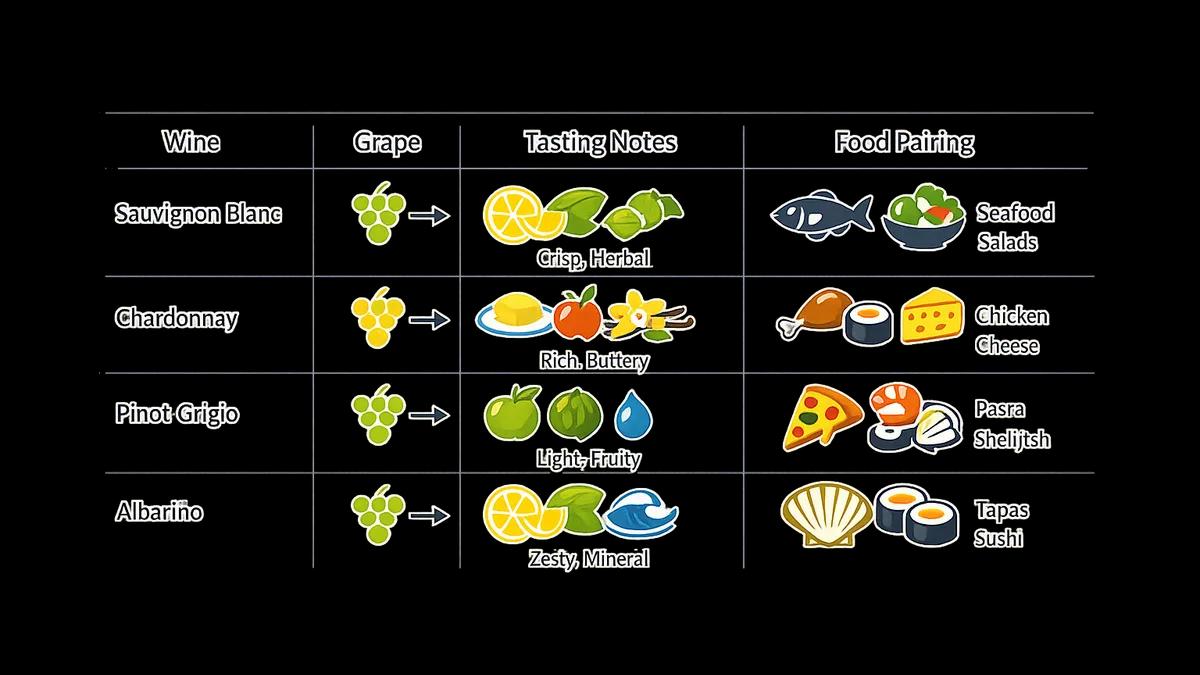
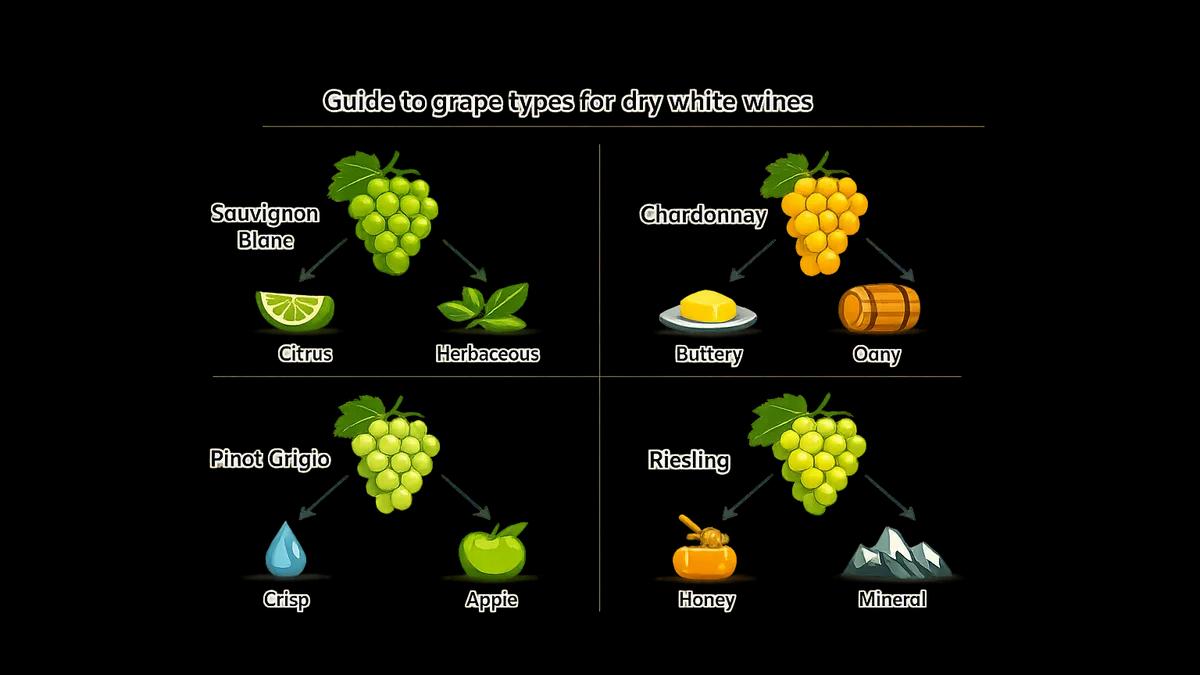
Each grape variety brings its own personality to the glass. Sauvignon Blanc typically delivers bright acidity with citrus and herbaceous notes—think grapefruit, lime, and freshly cut grass. Chardonnay offers more versatility, ranging from crisp and mineral-driven to rich and buttery depending on how it's made. Pinot Grigio (or Pinot Gris) tends toward light, refreshing styles with apple and pear flavors.
Other notable varieties include Albariño, known for its stone fruit character and saline finish, and Grüner Veltliner, which brings white pepper spice alongside green apple crispness. Viognier offers more aromatic intensity with peach and apricot notes while maintaining dryness.
Regional Characteristics That Shape Quality
Where a wine comes from dramatically influences its flavor profile. Exceptional wines are crafted from the highest quality vineyards and reflect their unique sense of place, vintage, and winemaking style. Cooler climates like France's Loire Valley or New Zealand's Marlborough region produce wines with higher acidity and more restrained fruit flavors. Warmer regions like California's Russian River Valley or Australia's Margaret River yield riper fruit characteristics with softer acidity.
The wines sourced from notable appellations such as the Russian River Valley, Dry Creek Valley, Alexander Valley, and Rockpile offer high-quality options worth exploring. These regions have established reputations for producing consistently excellent dry whites that express their terroir beautifully.
What to Look for on the Label
Wine labels can tell you a lot if you know what to look for. The alcohol percentage gives you a clue about body—wines around 12-13% ABV tend to be lighter and crisper, while those at 13.5% and above often feel richer and fuller. Look for vintage dates, especially on whites, since most are meant to be enjoyed within 2-3 years of release (though some age-worthy Chardonnays and white Burgundies are exceptions).
Terms like "estate bottled" indicate the winery grew the grapes themselves, often suggesting greater quality control. If you see specific vineyard names, that usually signals a premium wine where the producer wanted to highlight a particular site's character.
Price Points and Value
You don't need to spend a fortune to enjoy excellent dry white wine. The sweet spot for quality often falls between $15-$30 per bottle, where you'll find well-made wines from reputable producers. Below $15, you can still find solid everyday options, though they may lack complexity. Above $30, you're typically paying for premium vineyards, limited production, or prestigious appellations.
For the best value, explore lesser-known regions producing the same grape varieties as famous areas. Portuguese Vinho Verde offers Albariño-like freshness at a fraction of Spanish Rías Baixas prices. Austrian Grüner Veltliner often outperforms pricier white Burgundies in the crisp, mineral category.
Matching Wine Style to Occasion
Think about when and how you'll drink the wine. Light-bodied, high-acid styles like Sauvignon Blanc or Pinot Grigio work beautifully as aperitifs or with lighter fare like salads and seafood. Medium-bodied wines like unoaked Chardonnay or Albariño pair well with chicken, pork, and creamy pasta dishes. Fuller-bodied oaked Chardonnays can stand up to richer preparations like lobster with butter sauce.
If you're planning a wine country experience to deepen your appreciation, consider exploring tasting experiences in Napa where you can sample diverse styles side-by-side and learn directly from winemakers.
Storage and Serving Temperature
Proper storage preserves your wine's quality. Keep bottles on their sides in a cool, dark place away from temperature fluctuations. Once you're ready to serve, temperature matters more than most people realize. Over-chilling mutes flavors and aromas—aim for 45-50°F for most dry whites. Pull the bottle from the fridge about 15 minutes before serving, or chill it for about 30 minutes if starting at room temperature.
Lighter styles like Pinot Grigio can go slightly colder (around 45°F), while fuller Chardonnays show better at the warmer end (closer to 50°F). If your wine tastes flat or muted, it might be too cold; if the alcohol seems prominent, it's probably too warm.
How We Tested the Wines
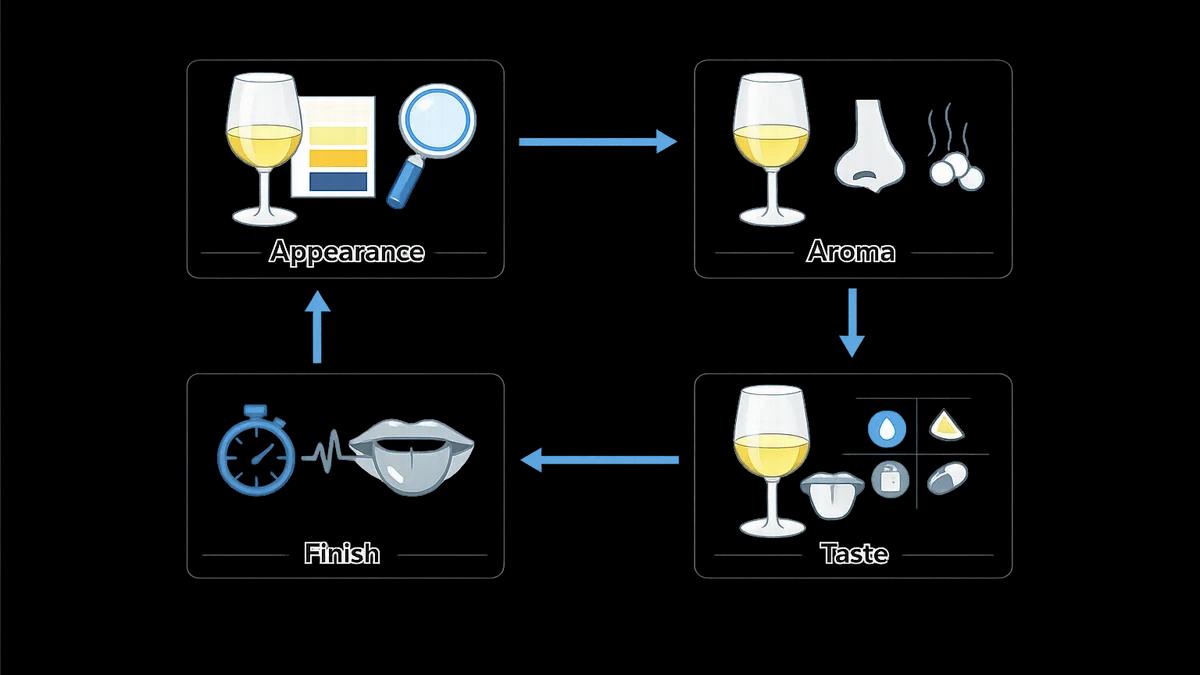
Testing wine isn't just about swirling and sipping—it's a deliberate process that reveals what makes each bottle special. For this roundup, I approached every wine with the same methodology I use when evaluating bottles for clients: start with the fundamentals, then dig into what makes each one stand out.
Our Tasting Framework
Every wine went through a multi-step evaluation designed to capture both technical quality and real-world drinkability. I began with visual assessment—clarity, color depth, and viscosity all tell a story before the first sip. Then came the nose: I evaluated aromatic intensity, complexity, and how well the wine's scent profile matched its varietal character.
The palate evaluation focused on balance. Acidity, body, flavor concentration, and finish length all factored into the scoring. A great dry white wine should feel refreshing without being sharp, flavorful without being heavy, and leave you wanting another glass.
Customized Evaluation Criteria
Not every wine gets judged the same way. A crisp Sauvignon Blanc shouldn't be held to the same standard as a rich, oak-aged Chardonnay—they're built for different purposes. I tailored my evaluation approach to match each wine's style, similar to how customized wine tasting experiences are designed to meet specific interests in wine appreciation.
For lighter, aromatic wines, I prioritized freshness and varietal purity. For fuller-bodied bottles, I looked at texture, complexity, and aging potential. Food-pairing versatility also played a role—wines that work across multiple dishes scored higher than one-trick ponies.
Real-World Context
I didn't taste these wines in a vacuum. Each bottle was evaluated both on its own and alongside food, because that's how most people actually drink wine. Small-production wines often bring something unique to the table, crafted by growers who understand how vineyard character translates into the glass.
The goal was simple: find dry white wines that deliver quality, personality, and versatility—bottles you'd be proud to pour whether you're hosting a dinner party or unwinding after a long day.
Frequently Asked Questions about Dry White Wines
What temperature should I serve dry white wine?
Serve most dry white wines chilled, between 45-50°F. That's cooler than your typical fridge setting, so I usually pull bottles out about 15 minutes before serving to let them warm just slightly. Lighter styles like Pinot Grigio taste best at the cooler end of that range, while fuller-bodied Chardonnays show more complexity when they're closer to 50°F. If a wine gets too cold, you'll miss out on the aromatics and flavor nuances that make each bottle special.
How long can I store an opened bottle of dry white wine?
Once opened, dry white wines typically stay fresh for 3-5 days in the refrigerator. Use a good wine stopper to minimize oxygen exposure, and keep the bottle upright to reduce the wine's surface area. I've found that crisper styles like Sauvignon Blanc fade faster than richer Chardonnays, which can sometimes hold up for nearly a week. If you're planning a wine tasting experience in Napa, you'll learn even more tricks for preserving and appreciating different varietals.
What's the difference between dry and sweet white wine?
Dry white wines contain minimal residual sugar—usually less than 10 grams per liter—which means they finish clean rather than sweet on your palate. The fermentation process converts most of the grape sugars into alcohol, leaving behind the wine's natural acidity and fruit characteristics without sweetness. Sweet white wines, by contrast, retain higher sugar levels either by stopping fermentation early or using naturally sweeter grape varieties.
Can dry white wine be aged?
Most dry white wines are meant to be enjoyed young, within 1-3 years of the vintage date. However, premium examples—especially oak-aged Chardonnays, white Burgundies, and certain Rieslings—can develop beautifully over 5-10 years or more. These age-worthy bottles need proper storage: consistent cool temperatures around 55°F, darkness, and humidity control. The majority of everyday dry whites you'll find at your local shop are ready to drink now, so don't feel pressured to cellar them unless you're investing in something special.
What foods pair best with dry white wines?
Dry white wines shine alongside lighter dishes: think seafood, chicken, salads, fresh cheeses, and vegetable-based plates. Sauvignon Blanc pairs wonderfully with goat cheese and herb-forward dishes, while Chardonnay complements richer preparations like lobster with butter or roasted chicken. The key is matching the wine's body and acidity to your food—crisp, lean whites cut through creamy sauces, while fuller styles stand up to more robust flavors. Wine touches all the senses and creates lasting memories when you find the right pairing for your meal.
How do I know if a dry white wine has gone bad?
Bad wine announces itself pretty clearly. Look for off-putting aromas like wet cardboard, vinegar, or nail polish remover—these signal oxidation or other faults. The color can also tip you off: if your white wine has turned deep golden or brown, it's likely past its prime. When you taste it, spoiled wine will lack freshness and fruit character, often tasting flat, sour, or unpleasantly bitter. Trust your nose and palate; if something seems off, it probably is.
Conclusion
Finding the best dry white wines for every occasion doesn't have to be intimidating—it's all about understanding what you enjoy and matching the wine to the moment. Whether you're reaching for a crisp Sauvignon Blanc on a warm afternoon, pairing an elegant Chardonnay with seafood, or exploring something new like an Albariño or Grüner Veltliner, dry whites offer incredible versatility and flavor.
Over the years, I've tasted my way through countless bottles across wine regions from Napa to Sonoma and beyond, and I've learned that the best wine is the one that brings you joy. Don't be afraid to experiment with different varietals, producers, and price points. Your palate is unique, and discovering what speaks to you is half the fun.
Remember the fundamentals: serve your whites chilled but not ice-cold, store them properly to preserve their character, and pay attention to the food pairings that elevate both the wine and the meal. The right bottle can transform an ordinary Tuesday into something memorable.
If you're looking to deepen your appreciation for wine, consider exploring tasting experiences in Napa where you can sample exceptional dry whites in their native terroir. There's nothing quite like tasting wine where it's made, surrounded by the vineyards and the winemakers who pour their passion into every bottle.
So grab a corkscrew, chill a bottle of something delicious, and toast to your next great discovery. The world of dry white wines is vast and endlessly rewarding—here's to exploring it one glass at a time. Cheers!