Sonoma Wineries: Your Guide to the Best Tasting Rooms
There's something magical about pulling off Highway 12 and winding through Sonoma's rolling vineyards for the first time.
Welcome to Sonoma's Wine Paradise
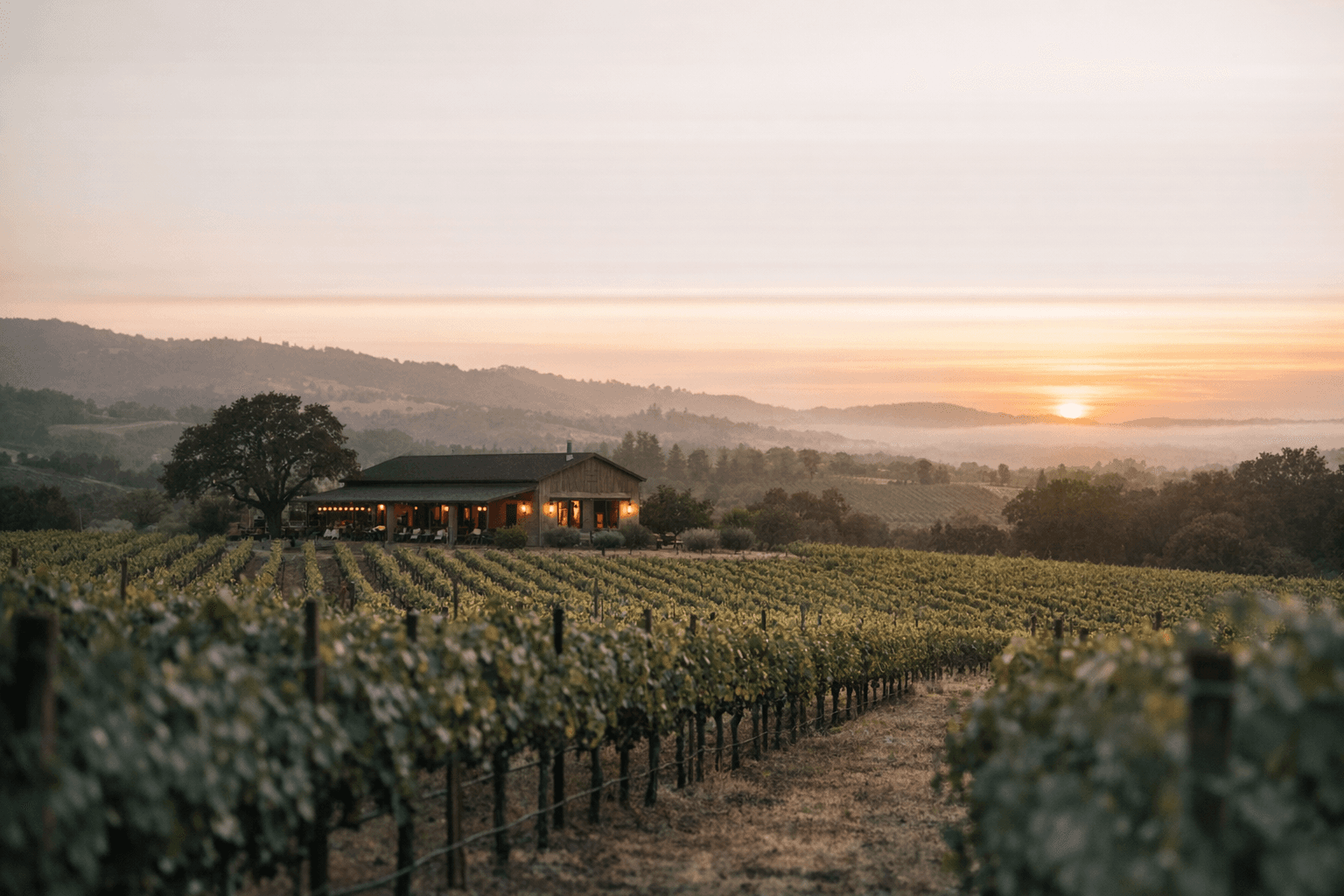
There's something magical about pulling off Highway 12 and winding through Sonoma's rolling vineyards for the first time. The pace slows, the air smells like earth and eucalyptus, and you realize you've arrived somewhere that takes wine seriously without taking itself too seriously. After years of visiting tasting rooms across California, I've found that Sonoma wineries have a particular charm—they're places where winemakers still greet you at the door and the experience feels more like visiting a friend's backyard than a corporate tasting counter.
Sonoma County's wine scene has evolved beautifully over the decades. What started as small family operations in garages has grown into a vibrant community of winemakers who put quality and connection at the center of everything they do. These aren't just places to taste wine—they're destinations where you can bring the whole family, settle in for a leisurely afternoon, and discover wines that reflect the unique character of their specific vineyards. Whether you're drawn to exploring Sonoma County's diverse wine country or seeking intimate, small-production experiences, you'll find tasting rooms that welcome you with genuine hospitality.
The beauty of Sonoma is its accessibility. Unlike some wine regions that feel exclusive or intimidating, Sonoma wineries invite you to relax, ask questions, and take your time. You'll find winemakers who are eager to share stories about their craft, tasting room hosts who remember your preferences, and experiences designed around the simple pleasure of well-made wine shared in good company. The region has managed to grow and refine its offerings while keeping that essential laid-back spirit intact—a balance that makes every visit feel both special and comfortable.
Explore Sonoma wineries with our guide to the best tasting rooms and experiences in wine country.
What Are Sonoma Wineries?
Sonoma wineries are wine-producing estates scattered across Sonoma County, California—a region that's been crafting wine since the first vines went into the ground in 1825. These aren't just places where grapes become bottles; they're working farms, tasting rooms, and often family legacies that span generations. When you visit a Sonoma winery, you're stepping onto land that might grow Pinot Noir in cool coastal fog one mile and Zinfandel under blazing sun the next.
What sets Sonoma apart is diversity. The county holds over a dozen distinct American Viticultural Areas (AVAs), each with its own soil, climate, and personality. You'll find everything from boutique producers making 500 cases a year to established names pouring for thousands of visitors annually. Some wineries occupy historic barns; others are sleek modern tasting rooms with valley views that make you forget your phone exists.
The Wine Road That Started It All
California Highway 12 runs straight through the heart of Sonoma Valley and the Carneros District, earning its nickname as the quintessential Wine Road. This corridor has anchored Northern California's wine industry for nearly two centuries, connecting dozens of world-renowned vineyards and wineries along a scenic route that feels more like a backroad than a highway. Many wineries along this stretch honor the road's historical significance—it's not just asphalt, it's the artery that made Sonoma wine country possible.
What You'll Actually Experience
A Sonoma winery visit typically includes a tasting flight—four to six wines poured in a sequence that builds from lighter to bolder styles. Some wineries offer seated tastings with a host who walks you through each pour; others let you stand at a bar and chat casually. You might tour the crush pad where grapes arrive during harvest, peek into barrel rooms that smell like vanilla and oak, or walk vineyard rows if the weather cooperates.
Appointments are increasingly common, especially at smaller producers. It's not about being exclusive—it's about ensuring someone's actually there to pour for you and answer questions. The best experiences happen when you're curious, ask about what you're tasting, and let the winemaker or tasting room staff share what makes their site special. For a deeper dive into the region's variety, check out Exploring Sonoma County's Diverse Wine Country.
Why Sonoma Wineries Matter
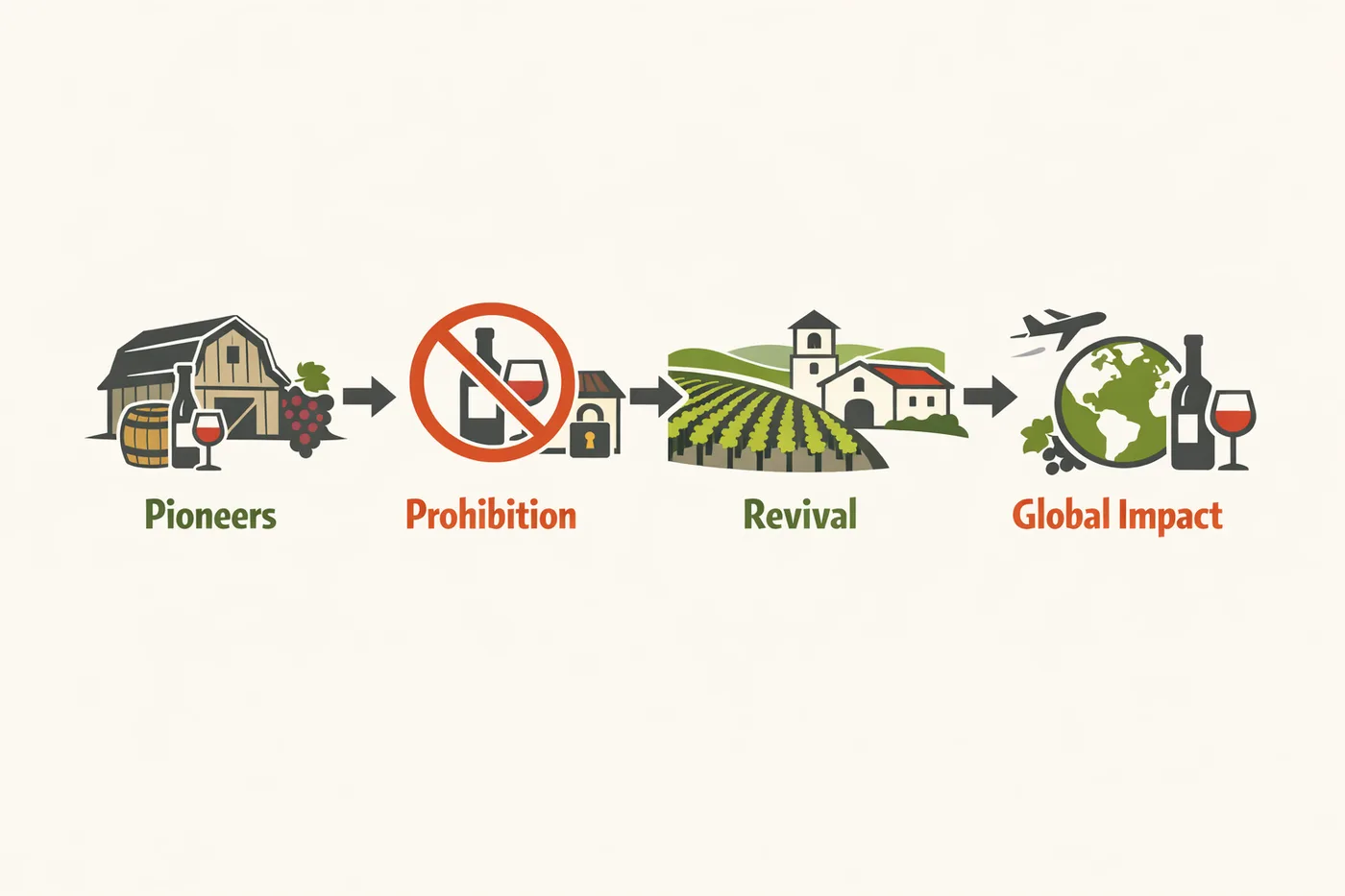
Sonoma wineries aren't just pretty places to sip wine—they're the backbone of a region that's been shaping California's wine identity since 1825. When you visit Sonoma, you're stepping into a living piece of history that continues to evolve while honoring its roots. The wineries here recognize their responsibility to preserve the legacy of the Wine Road that runs through Sonoma Valley and the Carneros District, home to dozens of world-renowned vineyards that have defined what great American wine can be.
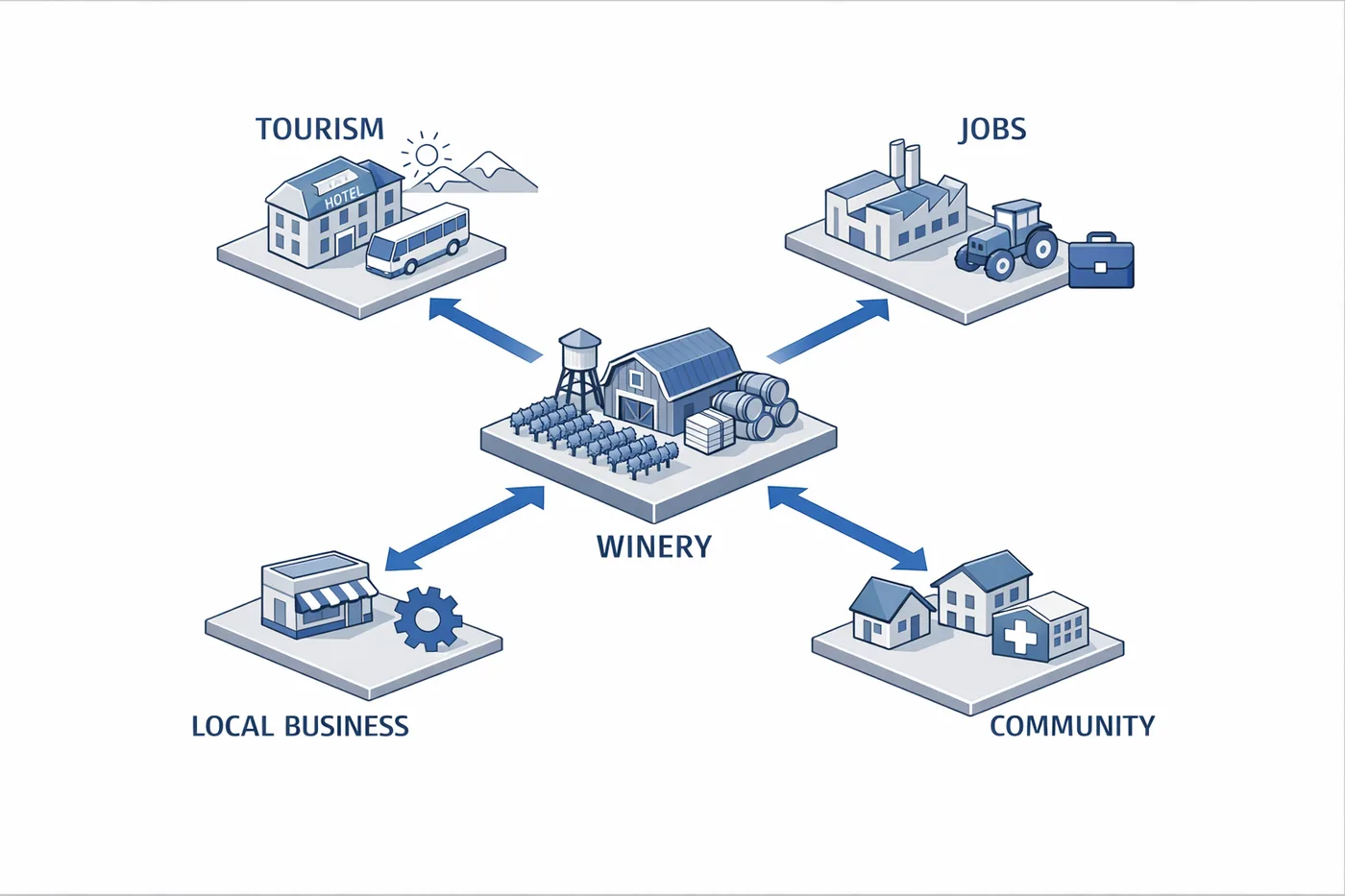
But the impact goes way beyond the bottle. Sonoma wineries drive the local economy, create jobs, and support everything from hospitality to agriculture. They've turned small towns into destinations, bringing visitors from around the world who spend money at restaurants, hotels, and shops. That tourism dollars ripple through the community, funding schools, infrastructure, and local services that benefit everyone who lives here.
The Cultural Heart of Wine Country
Sonoma wineries serve as cultural anchors, preserving winemaking traditions while pushing boundaries with innovative techniques. Many family-owned estates have been passed down through generations, maintaining a personal connection to the land that you can taste in every glass. These aren't corporate operations—they're passionate people who've dedicated their lives to crafting something special.
The region's commitment to sustainable farming and environmental stewardship sets an example for wine regions worldwide. Sonoma vintners understand that protecting the land today means better wine tomorrow, and that philosophy shapes how they farm, build, and operate their businesses.
A Destination for Everyone
What makes Sonoma wineries particularly special is their accessibility and welcoming spirit. Unlike some wine regions that can feel exclusive or intimidating, Sonoma tasting rooms embrace visitors of all experience levels. You'll find family-friendly wineries where kids can run around while parents relax, making it easy to bring the whole family along for a leisurely day in Wine Country. Whether you're a serious collector or someone who just enjoys a good glass of wine, there's a tasting room that'll make you feel right at home.
The social fabric of Sonoma County is woven through its wineries. They host community events, support local charities, and create gathering spaces where neighbors and visitors connect over shared experiences. When you visit Sonoma County's diverse wine country, you're not just tasting wine—you're participating in a tradition that brings people together and strengthens the bonds that make this region special.
How to Choose the Best Sonoma Wineries to Visit
With hundreds of wineries scattered across Sonoma County, picking where to spend your day can feel overwhelming. The good news? There's no wrong choice—just better matches for what you're looking for. Whether you're chasing a specific varietal, hunting for jaw-dropping views, or hoping to discover small-production gems, a little upfront planning makes all the difference.
Start with Your Wine Preferences
Think about what you actually enjoy drinking. If you're a Pinot Noir lover, focus on Russian River Valley producers. Zinfandel fans should head to Dry Creek Valley. Prefer Cabernet? Alexander Valley is your destination. Many wineries specialize in particular styles—some offer specialty blends created from small vineyards across multiple appellations, giving you a taste of Sonoma's diversity in a single tasting.
Don't be afraid to explore beyond your comfort zone, but anchoring your itinerary around grapes you know you like ensures at least a few wins.
Consider the Experience You Want
Tasting room vibes vary wildly. Some wineries offer casual bar tastings where you can drop in and sample four or five wines in twenty minutes. Others provide seated, appointment-only experiences with food pairings, vineyard tours, or private barrel room sessions. If you're bringing kids or non-drinking friends, look for wineries with outdoor spaces, bocce courts, or picnic areas where the whole group can relax.
Ask yourself: Do I want educational deep-dives with the winemaker, or am I here to sip something delicious on a sunny patio? Both are valid—just plan accordingly.
Factor in Location and Logistics
Sonoma County is big. Trying to hit a winery in Healdsburg, another in Sonoma Valley, and a third near the coast in one afternoon is a recipe for stress and speeding tickets. Cluster your visits by region and give yourself realistic travel time between stops. Three wineries in a day is plenty; two is often better.
If you're staying overnight, choose accommodations near the sub-region you're most excited about. That way, you can walk or take a short rideshare instead of white-knuckling mountain roads after a few tastings.
Read Reviews, But Trust Your Gut
Online reviews and guides to top wineries in Sonoma are helpful starting points, but don't let them box you in. A five-star rating from someone who loves big, oaky Chardonnays won't mean much if you prefer crisp, unoaked whites. Look for feedback that mentions the style of wine, the hospitality, and the setting—those details tell you more than a star count.
And remember: some of the best experiences happen at smaller, lesser-known spots where the tasting room manager remembers your name and pours you something straight from the tank.
Best Practices for Wine Tasting in Sonoma
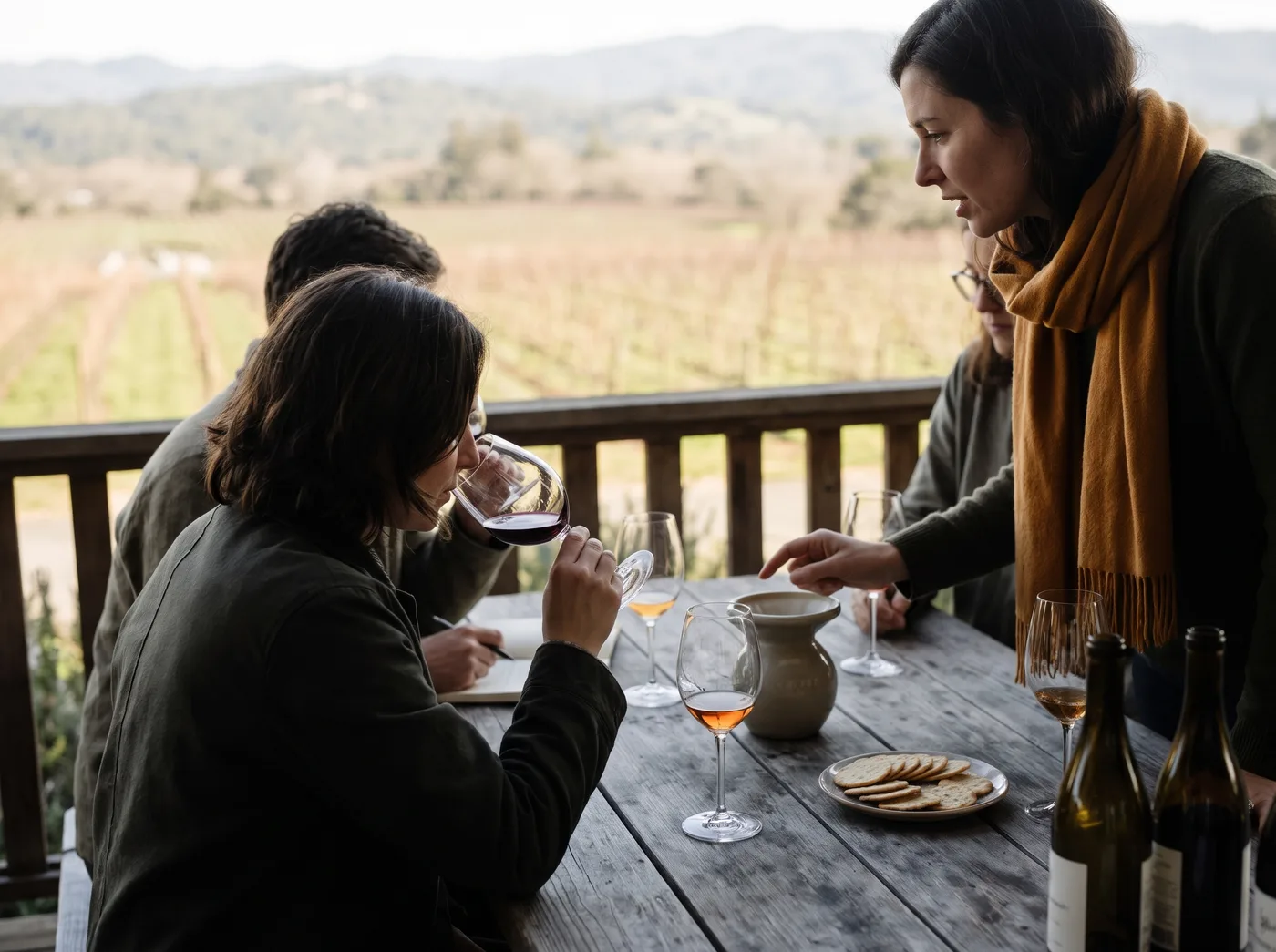
You've picked your wineries, you've made your reservations — now let's talk about how to actually taste like you mean it. Wine tasting in Sonoma isn't about checking boxes or collecting stamps; it's about slowing down, paying attention, and letting the wine tell you its story. Whether you're sipping a Pinot Noir off the Sonoma Plaza or tasting small-production bottles in a cozy tasting lounge, a few smart habits will transform the experience from pleasant to unforgettable.
Engage with the Wine's Story
Every bottle has a backstory — the vineyard, the vintage, the winemaker's choices — and learning about the origins of the wines enhances the tasting experience, as it allows you to understand how grapes express themselves in various regions. When you're tasting Vineyard Designated Pinot Noirs, for example, ask how the soil or elevation shaped what's in your glass. The best tasting rooms don't just pour; they walk you through the journey from vine to bottle. Listen, ask questions, and let that context deepen every sip.
Pair Wine with Food Thoughtfully
Wine doesn't live in a vacuum, and neither should your tasting. Many Sonoma tasting rooms offer flights or wine by the glass along with charcuterie featuring wine-infused salume, or invite you to bring your own picnic to taste on the patio. Food changes the wine — it softens tannins, highlights fruit, and reveals flavors you'd miss on an empty stomach. If the winery allows picnics, pack something simple: cheese, cured meats, fresh bread. If they offer food pairings, take them. You'll taste more, and you'll remember more.
Savor Small Production Wines
Sonoma is full of small producers making wines you won't find on grocery store shelves. Guests are invited to savor small production wines, which often offer a more personalized tasting experience. These aren't mass-market bottles; they're limited releases, sometimes only a few hundred cases, crafted with obsessive attention. When you're tasting small-lot wines, slow down. Take notes. Ask about the winemaker's philosophy. This is where Sonoma shines — not in scale, but in intimacy and craft.
The best tastings aren't rushed. They're conversations between you, the wine, and the people who made it.
Respect Tasting Room Etiquette
You don't need to be a sommelier to visit a winery, but a little etiquette goes a long way. Arrive on time for your reservation, especially during busy seasons. Don't wear heavy perfume or cologne — it competes with the wine's aromatics. Spit or pour out what you don't finish; no one expects you to drink every drop, and pacing yourself means you'll enjoy the whole day instead of fading by 2 p.m. And tip your tasting room host — they're educators, not just pourers.
Take Notes (Even Short Ones)
After three wineries, the wines start to blur together. Jot down quick notes — what you liked, what surprised you, which bottles you want to take home. It doesn't have to be formal; "bright cherry, smooth finish, buy this" is plenty. You'll thank yourself later when you're trying to remember which Zinfandel made you stop mid-conversation. For more guidance on planning your Sonoma winery visits, including how to pace your day and organize your route, check out our detailed planning resource.
Common Mistakes to Avoid When Visiting Sonoma Wineries
Even seasoned wine lovers stumble into a few traps when exploring Sonoma. I've watched visitors rush through tastings, skip reservations, and leave disappointed—all avoidable with a little planning. Let's walk through the most common pitfalls so your trip stays smooth and memorable.
Skipping Reservations
Many wineries now require appointments, especially smaller boutique producers and those offering seated tastings. Showing up unannounced can mean turned away at the door, particularly on weekends. Book at least a week ahead for popular spots, and always confirm 24 hours before your visit. Some wineries offer walk-in space, but don't count on it during peak season.
Overpacking Your Itinerary
Trying to hit five or six wineries in one day sounds ambitious, but it's a recipe for exhaustion and palate fatigue. Three wineries is the sweet spot—enough variety without overwhelming your senses or your schedule. Factor in drive time between properties, lunch, and the occasional spontaneous detour when you spot a charming tasting room.
Quality beats quantity every time. Three thoughtful tastings will teach you more than six rushed ones.
Ignoring Your Palate's Limits
Tasting fatigue is real. After the fourth or fifth wine, your ability to distinguish flavors drops sharply. Use the spit buckets—they're there for a reason, and no one will judge you. Drink plenty of water between tastings, and don't skip meals. A heavy tasting on an empty stomach ruins the experience and your afternoon.
Wearing the Wrong Shoes
Sonoma wineries often feature gravel paths, vineyard tours, and uneven terrain. Those cute heels or brand-new dress shoes will leave you hobbling by noon. Opt for comfortable walking shoes or stylish flats that can handle a bit of dust. You'll thank yourself when you're strolling through barrel rooms and crush pads.
Forgetting About the Drive
Wine country sprawls across valleys and hillsides, and distances between wineries add up quickly. Designate a driver, hire a tour service, or book a rideshare for the day. Driving under the influence isn't just illegal—it's dangerous and disrespectful to the community. Planning your Sonoma winery visits ahead of time helps you map routes and arrange safe transportation.
Treating Tasting Room Staff Like Servers
Tasting room hosts are educators, not waitstaff. They're passionate about the wines they pour and eager to share stories about the vineyard, the winemaker, and the vintage. Engage with them, ask questions, and listen. Rude or dismissive behavior won't just sour your experience—it might get you politely ushered out.
Skipping the Lesser-Known Varietals
It's tempting to stick with familiar Cabernet and Chardonnay, but Sonoma produces incredible Zinfandel, Pinot Noir, and even Rhône-style blends. Ask your host what's unique to their estate or what they're excited about. Some of the most memorable bottles come from grapes you've never heard of.
Neglecting to Pace Yourself
Starting your day with back-to-back tastings at 10 a.m. sounds fun until you're wiped out by 2 p.m. Build in breaks—stop for lunch, take a scenic drive, or simply sit on a patio and enjoy the view. Wine country rewards a relaxed rhythm, not a sprint.
Forgetting to Tip
Tasting fees sometimes waive with a purchase, but your host still deserves a tip for their time and expertise. A few dollars per person is standard, more if they went above and beyond with personalized recommendations or opened something special. It's a small gesture that makes a big difference.
Not Asking About Shipping
Falling in love with a wine only to realize you can't fit six bottles in your suitcase is frustrating. Most wineries ship directly to many states, though laws vary. Ask about shipping options before you buy, and confirm your home state allows it. Some wineries also offer wine club memberships with perks like discounts and exclusive releases.
Avoid these missteps, and your Sonoma adventure will be everything you hoped for—relaxed, educational, and full of great wine.
Frequently Asked Questions About Sonoma Wineries
Planning your first trip to Sonoma wineries — or even your tenth — always brings up questions. I've fielded hundreds of these over the years, from nervous first-timers to seasoned collectors looking to refine their approach. Here are the answers that matter most.
How many wineries should I visit in one day?
Three is the sweet spot. You'll have time to enjoy each tasting without rushing, chat with the staff, and actually remember what you tasted by the end of the day. Four is pushing it unless you're skipping lunch and sipping very lightly. Five or more? You're touring, not tasting — and your palate will give up halfway through.
Do I need reservations at Sonoma wineries?
Yes, almost always now. The pandemic accelerated a trend that was already underway — most wineries moved to appointment-only tastings to manage capacity and deliver better experiences. Walk-ins are rare and often turned away, especially on weekends. Book at least a week ahead for popular spots, longer for small family operations or harvest season visits.
What's the average cost of a tasting?
Expect $25 to $50 per person for a standard tasting of four to six wines. Premium experiences — library tastings, cave tours, food pairings — run $75 to $150 or more. Many wineries waive the tasting fee if you buy a bottle or join their wine club, but don't count on it. Budget accordingly and remember: tips for your host (15-20% of the tasting fee) are appreciated but not mandatory.
What should I wear to a Sonoma winery?
Casual and comfortable wins every time. Think nice jeans or casual pants, a collared shirt or blouse, and shoes you can walk in — many tastings happen on gravel paths or in barrel rooms with uneven floors. Leave the stilettos at home. Layers are smart; mornings can be cool even when afternoons are warm. And if you're visiting in summer, sunscreen and a hat are non-negotiable for outdoor tastings.
Sonoma is wine country, not a country club — dress like you're meeting a friend who happens to own a vineyard.
Can I bring my kids to Sonoma wineries?
It depends on the winery. Some are family-friendly with lawn games, picnic areas, and non-alcoholic options for kids. Others cultivate a quiet, adults-only atmosphere. Always call ahead and ask — don't assume. And if you do bring children, keep them engaged and supervised. A bored seven-year-old running through a tasting room isn't anyone's idea of a relaxing wine country afternoon.
Is it safe to drive between wineries?
No, not if you're tasting properly. Hire a driver, book a tour company, or designate someone in your group to stay sober. Sonoma County law enforcement watches wine country roads closely, and a DUI will ruin more than your weekend. Rideshares work but can be slow in rural areas — plan ahead. Some hotels and inns offer shuttle services; ask when you book.
What's the difference between Sonoma and Napa wineries?
Sonoma tends to be more laid-back, less crowded, and often more affordable than Napa. The wine regions are more spread out, the landscapes more varied — you'll find coastal fog-cooled vineyards, warm inland valleys, and everything in between. Napa has polish and prestige; Sonoma has approachability and diversity. Neither is better — they're just different experiences. If you have time, visit both and decide for yourself. For more on navigating these differences, check out Navigating Sonoma's Wine Regions.
Do I need to know a lot about wine to enjoy a tasting?
Absolutely not. Good tasting room hosts meet you where you are — whether you're a sommelier or someone who just knows you like red. Be honest about your experience level and ask questions. "What makes this Pinot different from the last one?" is a perfectly valid question. The goal is to learn what you enjoy, not to impress anyone with vocabulary you Googled last night.
Can I buy wine and ship it home?
Most Sonoma wineries ship to many states, but not all. Shipping laws vary wildly — some states allow direct-to-consumer shipments, others don't. The winery will know their shipping restrictions; just ask before you fall in love with a case you can't legally receive. If shipping isn't an option, some wineries work with third-party services, or you can pack bottles carefully in checked luggage (wrapped in clothes, inside a plastic bag, then surrounded by soft items).
When is the best time to visit Sonoma wineries?
Harvest season — late August through October — is magical but crowded. Spring (April-May) brings green hills and wildflowers with fewer tourists. Winter (January-March) is quiet, often rainy, but you'll have tasting rooms nearly to yourself and staff with time to talk. Summer weekends are peak season: beautiful weather, full appointment books, higher prices. Choose based on what matters most to you — crowds, weather, or access to winemakers.
Cheers to Your Sonoma Winery Adventure!
You've got everything you need now to make your Sonoma winery trip unforgettable. Whether you're chasing down small-lot Pinot Noirs in hidden corners or settling into a sun-drenched patio at a must-visit estate like St. Francis Winery & Vineyards, the beauty of Sonoma is that every visit feels personal. The winemakers here aren't just pouring wine—they're sharing stories, family traditions, and a genuine love for what ends up in your glass.
Over the years, I've learned that the best wine country experiences aren't about checking boxes or racing through a list. They're about slowing down, asking questions, and letting a place surprise you. Sonoma does that better than almost anywhere else. The tasting rooms are welcoming, the landscapes are stunning, and the wine? It speaks for itself.
The best wine country experiences aren't about checking boxes—they're about slowing down and letting a place surprise you.
So grab your friends, book those reservations, and pack a sense of adventure. Sonoma's wineries are waiting, and trust me—you're going to want to come back. If you're still mapping out your route, check out our guide to planning your Sonoma winery visits for tips on timing, transportation, and making the most of every stop. Here's to great wine, good company, and memories that last long after the last sip. Cheers!