Exploring Sonoma County's Diverse Wine Country
Introduction
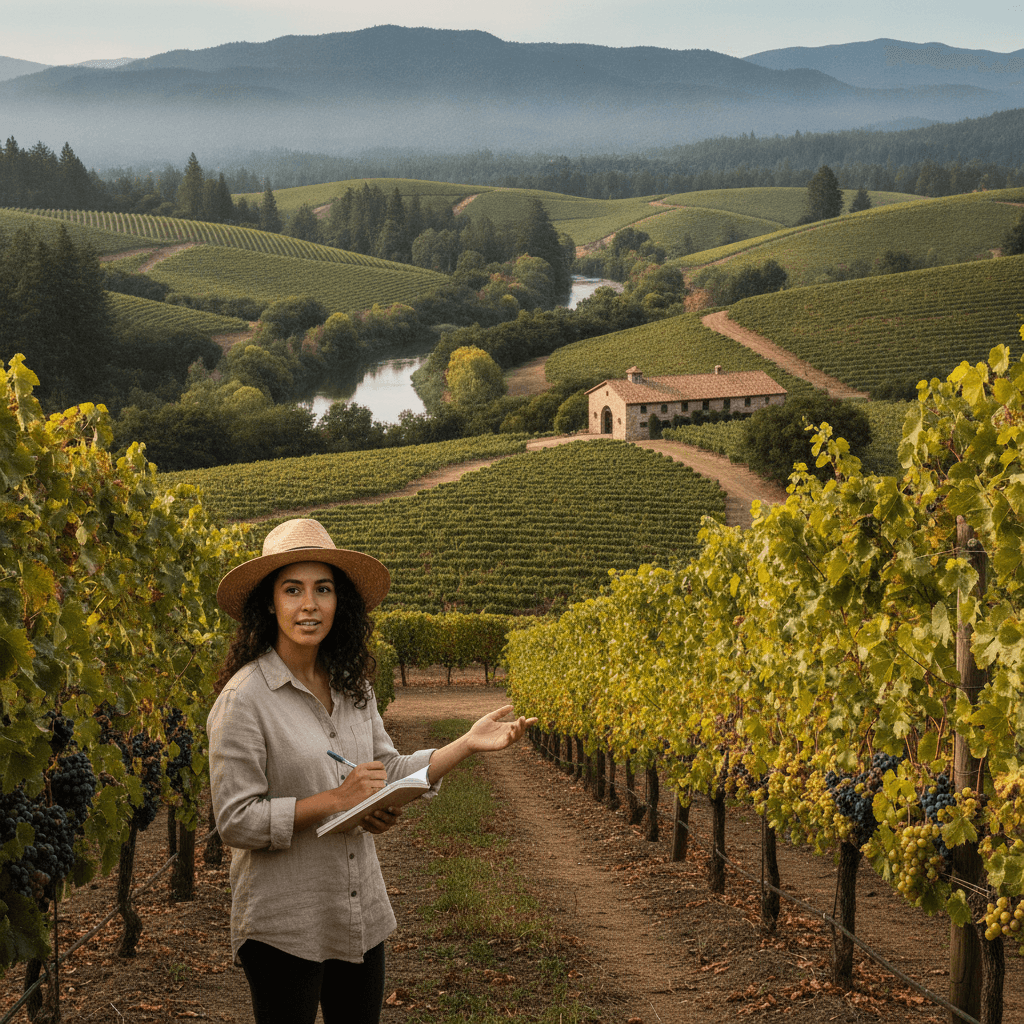
Sonoma wineries are not just another pretty place with grapes — it's where California's wine story really began. Since those first vines went into the ground in 1825, this region has grown into one of the most diverse and exciting wine destinations you'll find anywhere. What makes it special isn't just the history, though. It's the sheer variety packed into those rolling hills.
When you're driving through Sonoma County, you're crossing through landscapes that shift from cool coastal fog to sun-drenched valleys, each microclimate coaxing different expressions from the vines. The region is home to dozens of world-renowned vineyards and wineries, each with its own story and approach to winemaking. Whether you're chasing a perfect Pinot Noir from the Carneros District or exploring lesser-known varietals in hidden corners of Sonoma Valley, there's always something new to discover.
For anyone who loves wine — whether you're just starting to explore or you've been tasting for years — Sonoma County offers something refreshingly unpretentious. You can visit undiscovered wineries in Sonoma County that feel like secret finds, or tour the iconic estates that put this region on the map. The beauty of it all is that you're not just tasting wine; you're experiencing the landscape, the people, and the passion that make each bottle possible.
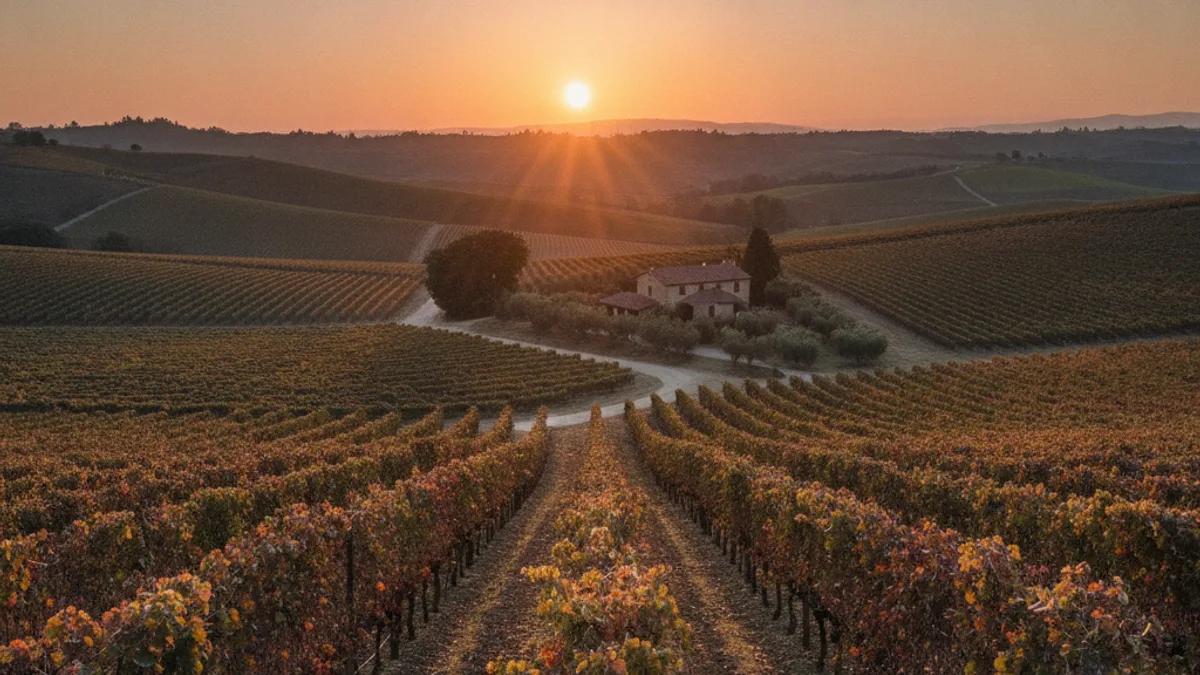
Sonoma County's wine country has been the heart of Northern California's wine heritage since 1825, offering a diverse tapestry of vineyards across legendary corridors like Highway 12.
The picturesque vineyards draped across hillsides and valleys create more than just Instagram-worthy views — they're visual reminders of how terroir shapes what ends up in your glass. From the legendary Highway 12 corridor winding through Sonoma Valley to the fog-kissed vineyards of western appellations, every turn reveals another reason why this region has captivated wine lovers for nearly two centuries.
Understanding the Challenge of Wine Selection
Sonoma wineries aren't just big — they're beautifully, bewilderingly vast. When you're standing at the edge of this region, trying to decide where to start, the sheer number of choices can feel paralyzing. Dozens of world-renowned vineyards and wineries dot the landscape, each with its own story, its own terroir, and its own lineup of bottles. For anyone planning a tasting trip or simply trying to pick the right wine for dinner, the abundance can quickly turn from exciting to overwhelming.
Why Wine Selection in Sonoma Feels So Complex
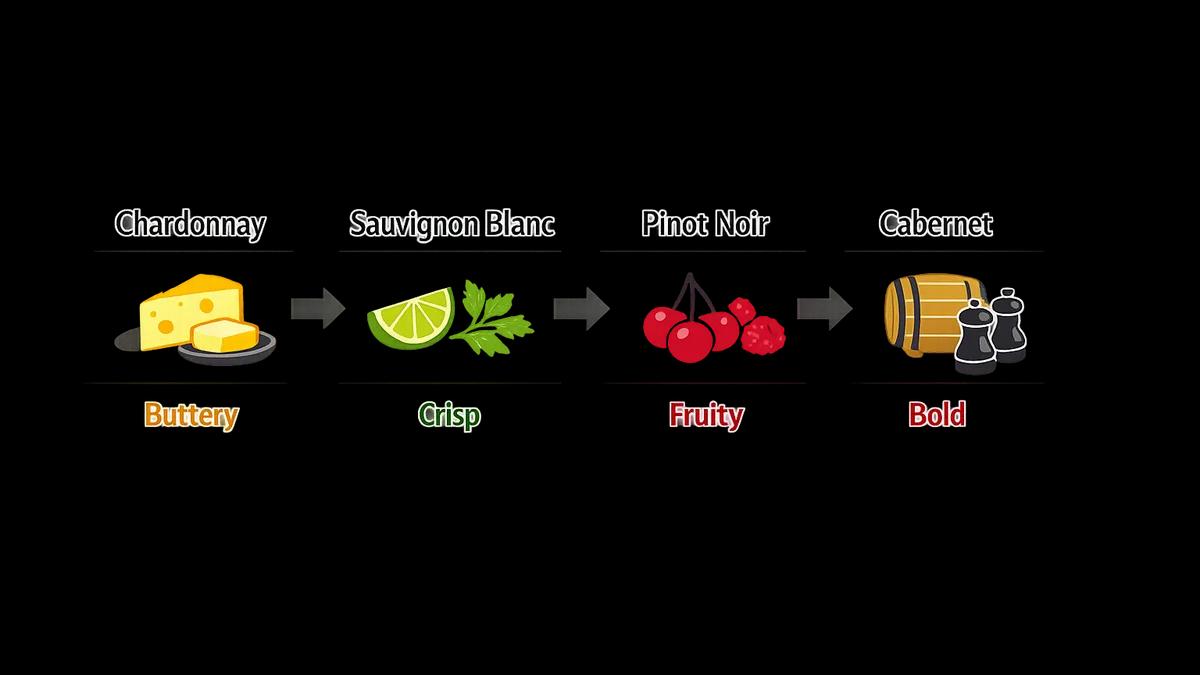
The diversity here isn't just about quantity — it's about the incredible range of wine styles produced across different microclimates and soil types. You'll find everything from crisp Albariño and aromatic Viognier to bold Cabernet, old-vine Zinfandel, and even Port-style wines. Wineries work with fruit from Russian River, Dry Creek, Carneros, and the Mayacamas Mountains, each area bringing distinct characteristics to the glass. That means the same varietal can taste completely different depending on where the grapes were grown.
When you're trying to navigate this landscape without a roadmap, it's easy to feel lost. Do you chase the big names everyone talks about, or explore smaller producers? Should you focus on one appellation or bounce around? And how do you even know which varietals match your palate when there are so many to choose from?
The Paradox of Choice in Sonoma County Wine Country
More options should mean more freedom, but in practice, it often leads to decision fatigue. You might walk into a tasting room and freeze when handed a menu listing twelve different wines. Or you'll research wineries online and find yourself with thirty browser tabs open, unable to commit to a single visit. The problem isn't that Sonoma lacks great wine — it's that it has too much great wine, and no obvious starting point.
The challenge isn't finding good wine in Sonoma County — it's choosing which of the many exceptional options deserves your limited time and palate.
This complexity extends beyond the tasting room. When you're shopping for Sonoma wines at home, the labels don't always make things clearer. Terms like "estate-grown," "single-vineyard," and regional appellations all signal something important, but decoding them requires knowledge most casual wine drinkers simply don't have. Without context, even a well-stocked wine shop can feel like a maze.
The good news? Once you understand the lay of the land — the key regions, the standout varietals, and a few smart strategies for narrowing your focus — the overwhelming becomes approachable. You don't need to taste everything to have a great Sonoma experience. You just need a plan. If you're looking to explore beyond the usual suspects, check out Undiscovered Wineries: 7 Surprising Essential Sonoma County Gems for lesser-known spots that deliver exceptional quality without the crowds.
Steps to Explore Sonoma County's Wine Country
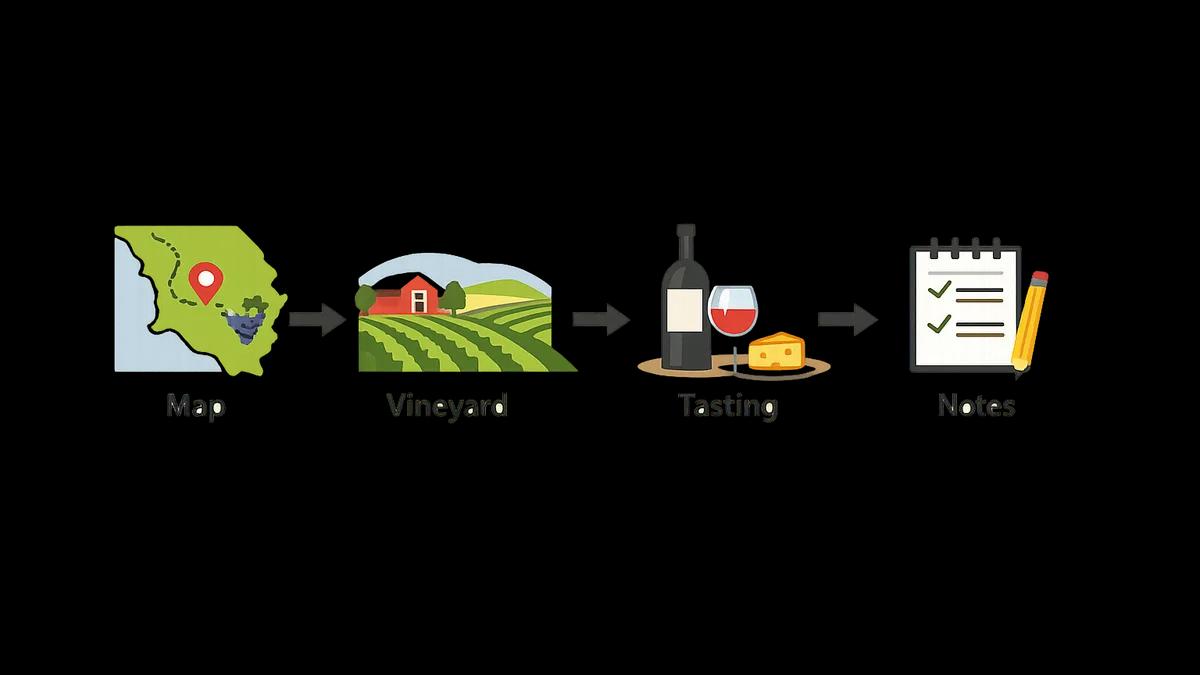
Exploring Sonoma wineries doesn't have to feel overwhelming when you break it down into manageable steps. Whether you're planning your first visit or your tenth, having a clear approach helps you make the most of the region's incredible diversity. Let me walk you through how to turn those endless options into a memorable tasting adventure.
Plan Your Route Around Key Wine Corridors
Start by identifying the wine corridors that match your interests. California Highway 12 runs through the legendary Sonoma Valley and the Carneros District, serving as a key route for exploring the area's vineyards and wineries. This historic corridor has been the heart of Northern California wine country since the first plantings in 1825, and it connects dozens of world-renowned producers in a single scenic drive.
Step 1
Map your appellations
Choose two to three appellations based on the varietals you love most. Russian River Valley shines for Pinot Noir and Chardonnay, while Dry Creek Valley and Alexander Valley excel with Zinfandel and Cabernet. Don't try to cover everything in one trip—focus lets you actually taste the differences between microclimates.
Step 2
Book tastings in advance
Make reservations at least a week ahead, especially on weekends. Many smaller producers require appointments and offer experiences you won't find as a walk-in. Look for wineries that offer barrel room tastings or food pairings to deepen your understanding of how the wines develop.
Choose Experiences That Match Your Learning Style
Not all tastings are created equal, and the right format makes all the difference. Visitors can enjoy wine tasting at the bar, private tastings in the barrel room, and five-course food and wine pairings at select Sonoma County wineries. Each format teaches you something different about the wines and the region.
Bar tastings work great when you want to sample a broad range quickly and chat casually with staff. Barrel room experiences let you taste wines still in development and understand the winemaker's vision before the final blend. Food pairings show you how the wines perform with actual meals, not just on their own.
Build in Flexibility and Downtime
Pace yourself with no more than three to four wineries per day. Rushing between tastings means you miss the scenery, the conversations, and the chance to let each wine really register. I always tell people to leave gaps in their schedule—some of the best discoveries happen when you spot an intriguing sign and decide to pull over.
Bring a cooler with ice packs if you're buying bottles throughout the day. Sonoma summers get warm, and you don't want your purchases cooking in the trunk. Most tasting rooms will hold your purchases until the end of the day if you ask, which saves you from lugging cases around.
If you're looking for more specific winery recommendations to add to your itinerary, check out our guide to Undiscovered Wineries: 7 Surprising Essential Sonoma County Gems for some truly special stops off the beaten path.
Tips and Tricks for an Enjoyable Wine Tasting Experience
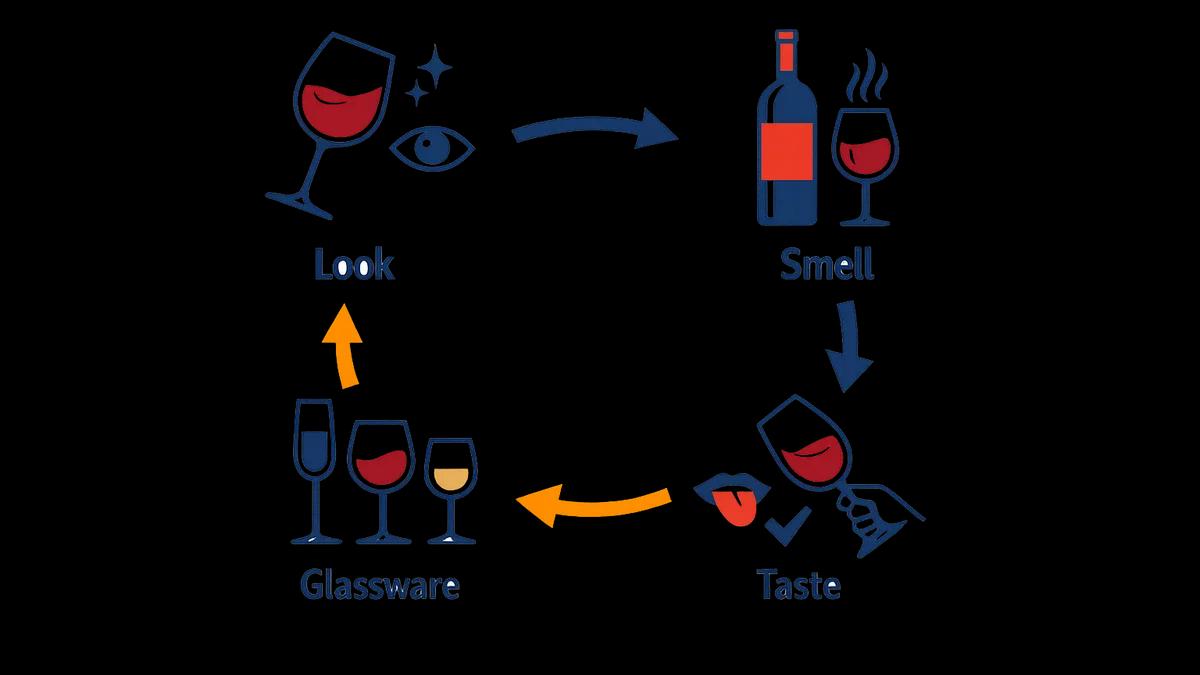
You've mapped out your route through Sonoma wineries, but the difference between a good tasting day and a great one often comes down to a few insider moves. These tips will help you taste smarter, enjoy more, and avoid the rookie mistakes that can turn a vineyard visit into a blur.
Pace Yourself and Stay Hydrated
The biggest mistake first-timers make? Treating wine tasting like a race. You're not trying to hit every winery in the appellation — you're there to actually taste the wines and remember what you liked. Limit yourself to three or four wineries per day, and drink water between stops. Dehydration sneaks up fast when you're sipping in the sun, and it'll flatten your palate faster than you can say "second flight."
Bring snacks or plan a proper lunch break. Even if the tasting room offers charcuterie or cheese pairings, having crackers or nuts in your bag keeps your energy steady and your taste buds sharp.
Engage With the Tasting Room Staff
The person pouring your wine isn't just there to fill glasses — they're your guide to the vineyard's story, the winemaker's choices, and the quirks of that vintage. Ask questions. Tell them what you normally drink. Mention if you're hunting for something specific, like a bold Zinfandel or a crisp Sauvignon Blanc.
Tasting room staff can also steer you toward undiscovered wineries in Sonoma County that might not be on your radar but match your taste perfectly. They know their neighbors, and they're usually happy to share recommendations.
Embrace the Setting
Some wineries offer tastings in historic buildings or unique spaces that add to the experience. A tasting room nestled inside a historic red schoolhouse, for example, brings a sense of place that you won't find in a generic tasting bar. If a winery invites you to bring your own picnic and taste on their patio, take them up on it — wine always tastes better with a view and a little fresh air.
Reserve tastings often feature more exclusive wines in intimate settings, and they're worth the splurge if you want to go deeper into a producer's range. Call ahead to book these experiences, especially during busy seasons.
The best wine tasting isn't about checking boxes — it's about slowing down enough to notice what you're drinking and where you're drinking it.
Take Notes (You'll Thank Yourself Later)
You think you'll remember which Pinot Noir you loved at the third winery, but after a full day of tastings, they all start to blend together. Snap a photo of the label, jot down a quick note in your phone, or grab the winery's tasting sheet. Even a few words — "bright cherry, smooth finish" — will jog your memory when you're trying to reorder later.
If you're serious about tracking your favorites, consider a simple wine journal app. It doesn't have to be fancy, just functional enough to capture the wines that made you stop and pay attention.
Plan for the Practical Stuff
Designate a driver, book a tour service, or stay close enough to your lodging that you can Uber back. Sonoma County's roads are beautiful, but they're also winding and rural — not the place you want to be navigating after a full day of tastings.
Dress in layers. Tasting rooms can be cool, patios can be hot, and vineyard tours can be breezy. Comfortable shoes are non-negotiable if you're planning any walking through the vines or gravel paths.
Conclusion
Sonoma County wine country offers something for every palate and every curiosity. From the fog-kissed Pinot Noir vineyards of the Russian River Valley to the sun-soaked Zinfandel hillsides of Dry Creek, the region's diversity is its greatest strength. You've learned how to navigate the appellations, plan your visits, and make the most of each tasting — now it's time to put that knowledge to work.
The beauty of exploring Sonoma is that there's no single "right" way to do it. Some visitors fall in love with a small-lot producer crafting elegant, fruit-driven wines that capture the soul of a single vineyard. Others discover their new favorite at a walk-in tasting room on a whim. The magic happens when you slow down, ask questions, and let the winemakers tell their stories. That's when a tasting becomes an experience you'll carry home in more than just your luggage.
Whether you're planning your first visit or your fifteenth, Sonoma County continues to surprise. New vintages, seasonal events like the North Coast Wine and Food Festival, and evolving winemaking techniques mean there's always something fresh to discover. If you're looking for more hidden gems off the beaten path, check out our guide to Undiscovered Wineries: 7 Surprising Essential Sonoma County Gems to expand your tasting itinerary.
I've spent years guiding visitors through these valleys, and the joy never fades. Every harvest brings new flavors, every vintage tells a different story, and every tasting room visit is a chance to connect with the people who pour their passion into every bottle. Sonoma County wine country isn't just a destination — it's an invitation to slow down, savor the moment, and find your own favorite corner of California's most welcoming wine region.