Fortified Wines: Port, Sherry, and Madeira Explained

Introduction to Fortified Wines
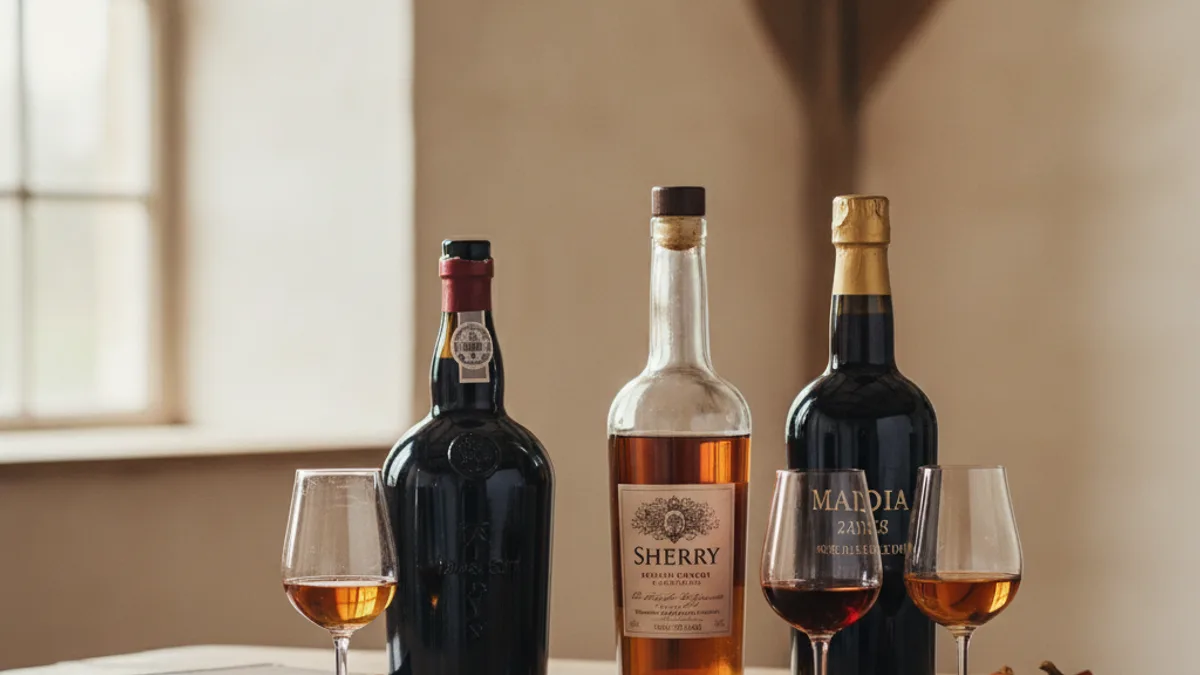
I've spent years guiding wine enthusiasts through Sonoma and Napa, and one category that consistently surprises people is fortified wines. While most tasters are comfortable discussing Cabernet or Chardonnay, mention Port or Sherry and you'll often see hesitation. That's a shame, because fortified wines represent some of the most fascinating expressions in the wine world.
Fortified wines are wines that have had a distilled spirit added to them, which increases their alcohol content and enhances their flavor profile. This process isn't just about boosting alcohol—it's a deliberate technique that creates entirely new categories of wine with their own rules, traditions, and sensory experiences.
Think of fortification as a winemaker's toolkit for stopping fermentation at just the right moment. By adding spirits like brandy, producers can preserve natural grape sugars, creating everything from lusciously sweet dessert wines to bone-dry aperitifs. The result? Wines with power and finesse, depth of character, and flavors that can age for decades.
Port from Portugal's Douro Valley, Sherry from Spain's Jerez region, and Madeira from Portugal's island vineyards each tell a different story. Port offers rich, fruit-forward sweetness perfect for after dinner. Sherry ranges from crisp and salty to nutty and oxidative. Madeira delivers incredible complexity with its unique heat-aging process. Together, they represent centuries of winemaking tradition and innovation.
Whether you're planning a tasting experience in Napa or exploring wine at home, understanding fortified wines adds a whole new dimension to your palate. These aren't just dessert wines—they're versatile, food-friendly, and endlessly interesting once you know what to look for.
In the sections ahead, we'll clear up common misconceptions, dive deep into what makes Port, Sherry, and Madeira unique, and share practical tips for enjoying these remarkable wines. Let's demystify fortification together.
The Confusion Around Fortified Wines
Let's be honest — fortified wines get a bad rap. Most people hear "Port" or "Sherry" and immediately think of dusty bottles in their grandparents' liquor cabinet or something only served at formal dinners. The whole category feels intimidating, old-fashioned, or just plain confusing. Are they dessert wines? Are they liqueurs? Why are they sweet sometimes and bone-dry other times?
The biggest misconception is that all fortified wines are the same. People lump Port, Sherry, and Madeira together as if they're interchangeable, but that's like saying Chardonnay and Pinot Noir are the same because they're both wines. Each fortified wine has its own personality, production method, and flavor profile. Port comes from Portugal's Douro Valley and tends toward rich, sweet styles. Sherry hails from Spain and ranges from crisp and dry to lusciously sweet. Madeira, from the Portuguese island of the same name, brings oxidized, nutty complexity that can age for decades.
Another source of confusion? When and how to drink them. Many wine lovers assume fortified wines are only for dessert or special occasions, so they never explore the category. The truth is, dry styles like Fino Sherry or Sercial Madeira make incredible aperitifs, while Tawny Port can be a perfect companion to cheese or nuts. The versatility is there — it's just hidden behind decades of marketing that positioned these wines as niche products.
Why Fortified Wines Feel Niche
Part of the problem is availability and education. Walk into most wine shops and you'll find rows of Cabernet and Chardonnay, but fortified wines are often tucked in a corner or missing entirely. Even in wine country, they're specialty items. For example, Portworks Wine Lounge is the only winery in Sonoma County that specializes in ports and after-dinner wines, highlighting just how rare focused fortified wine producers are in regions known for table wines.
Without regular exposure, people don't develop familiarity. And without familiarity, fortified wines remain mysterious. Add in the fact that serving temperatures, glassware, and food pairings differ from table wines, and it's no wonder many wine enthusiasts stick to what they know.
The good news? Once you understand the basics, fortified wines become approachable, exciting, and incredibly rewarding. The confusion clears quickly when you taste the difference between a nutty Amontillado and a fruity Ruby Port. The key is simply knowing where to start — and that's exactly what we'll cover next.
Understanding Fortified Wines: Port, Sherry, and Madeira
Fortified wines are wines that have had a distilled spirit added to them, which increases their alcohol content and enhances their flavor profile. This process creates wines with unique characteristics that set them apart from table wines — richer, more complex, and often sweeter. While Port, Sherry, and Madeira are the most famous examples, each has its own personality shaped by where it's made and how it's produced.
What Makes Port Special
Port comes from Portugal's Douro Valley and is known for its sweet, rich character. The fortification happens during fermentation, which stops the yeast from converting all the sugar to alcohol. That's why Port keeps its sweetness and ends up with higher alcohol content — typically around 19-20%.
There are several styles to explore. Ruby Port is young, fruity, and vibrant — think berry flavors and a straightforward sweetness. Tawny Port spends years aging in barrels, developing nutty, caramel notes with a smoother texture. Vintage Port is the top tier, made only in exceptional years and designed to age for decades in the bottle.
The tasting experience at places like Portworks Wine Lounge by Heringer Estates allows visitors to explore a range of flavors and styles available in port, enhancing their understanding of how port is made. Even in California wine country, you can find producers specializing in Port-style wines that showcase the versatility of this fortified wine tradition.
Sherry: Dry, Nutty, and Misunderstood
Sherry comes from Spain's Jerez region and couldn't be more different from Port. Most Sherries are bone dry, not sweet, and they're fortified after fermentation is complete. The magic happens through a unique aging system called solera, where younger wines are blended with older ones to create consistency and complexity.
Fino and Manzanilla are the lightest styles — crisp, salty, and refreshing with a distinctive yeasty character. Amontillado starts as a Fino but ages further, developing amber color and nutty flavors. Oloroso is richer and darker, with notes of walnut and dried fruit. Pedro Ximénez (PX) is the sweet exception — thick, syrupy, and tasting like raisins and figs.
Sherry's versatility runs from bone-dry aperitifs to dessert wines as sweet as honey — all from the same region, all fortified, all completely different.
Madeira: The Indestructible Wine
Madeira comes from a Portuguese island off the coast of Africa and has the most unusual production method of all. The wine is deliberately heated during aging — sometimes for months in warm rooms or even in tanks heated to 130°F. This process, called estufagem, gives Madeira its characteristic caramelized, oxidized flavors and makes it virtually indestructible. Bottles can last for decades, even after opening.
Madeira ranges from dry to sweet, named after grape varieties. Sercial is the driest, with sharp acidity and almond notes. Verdelho is off-dry with smoky complexity. Bual (or Boal) is sweet with caramel and spice. Malmsey is the richest and sweetest, tasting of toffee, coffee, and dried fruit.
| Wine | Origin | Sweetness | Alcohol | Key Flavors |
|---|---|---|---|---|
| Port | Portugal (Douro) | Sweet to very sweet | 19-20% | Berries, caramel, nuts |
| Sherry | Spain (Jerez) | Dry to sweet (varies by style) | 15-20% | Yeast, nuts, dried fruit |
| Madeira | Portugal (Madeira Island) | Dry to sweet (by grape) | 17-20% | Caramel, nuts, coffee |
How to Enjoy Each Style
Port shines after dinner, paired with chocolate, blue cheese, or nuts. Pour it in smaller glasses — its richness means a little goes a long way. Serve Ruby styles slightly cool and Tawny at room temperature.
Sherry works best as an aperitif before meals. Serve Fino and Manzanilla ice cold with olives, almonds, or jamón. The dry styles cut through salty foods beautifully. Sweet PX makes an incredible dessert on its own or poured over vanilla ice cream.
Madeira is the most food-friendly of the three. Dry styles pair with soups and appetizers, while sweet versions complement desserts or stand alone as contemplation wines. Because of its stability, Madeira is perfect for cooking — it won't spoil quickly once opened, and it adds incredible depth to sauces and reductions.
For those interested in exploring these styles firsthand, many tasting experiences in Napa now include fortified wine flights alongside traditional table wines, giving you a chance to compare and contrast these unique expressions.
Tips for Enjoying Fortified Wines
Fortified wines deserve a little more thought than your everyday table wine. They're richer, more complex, and built to be savored slowly. Whether you're pouring a vintage Port after dinner or cracking open a bottle of Sherry for tapas hour, a few smart moves will help you get the most out of every glass.
Serving Temperature Matters
Serve fortified wines at the right temperature and they'll open up beautifully. Port and Madeira show their best side slightly below room temperature — around 60–65°F. Too warm and the alcohol overpowers everything else. Sherry's a bit more flexible: fino and manzanilla styles love a good chill (45–50°F), while oloroso and cream sherries prefer it closer to 55–60°F. A few minutes in the fridge or a wine cooler can make all the difference.
Glassware: Keep It Simple
You don't need a special glass for every fortified wine, but smaller pours in smaller glasses work best. A standard wine glass is fine, but fill it only about a third of the way. The concentrated flavors and higher alcohol need room to breathe without overwhelming your palate. If you want to get fancy, a copita (traditional Sherry glass) or a small tulip-shaped glass works beautifully for any fortified style.
Pairing Fortified Wines with Food
Fortified wines shine alongside food, and the pairing possibilities are wider than you might think. Port loves chocolate, blue cheese, and anything with caramel or nuts. Dry sherries cut through salty, savory bites like olives, almonds, and cured meats. Sweet Madeira pairs beautifully with desserts, while drier styles work with roasted vegetables or aged cheeses.
If you're exploring wine country, look for experiences that pair fortified wines with thoughtfully prepared dishes. Some wineries offer customized tastings that let you dive deep into how different foods interact with these wines, helping you build confidence in your own pairing choices at home. For more ideas on elevating your wine experiences, check out Taste Chemistry: Surprising Expert Insights on Wine Pairings.
Storing and Preserving Opened Bottles
Once you've opened a bottle of fortified wine, it'll last longer than regular wine thanks to that added alcohol. Port and Madeira can hold up for several weeks if you recork them tightly and store them in a cool, dark place. Sherry's a bit more delicate — fino and manzanilla styles are best within a few days of opening, while oloroso and cream sherries can last a couple of weeks. If you're not finishing a bottle quickly, consider transferring it to a smaller container to minimize air exposure.
Sharing a bottle of fortified wine over a great meal is one of the true joys in life — it touches all the senses and creates a lasting memory.
Experiment and Trust Your Palate
The best way to learn about fortified wines is to taste them. Start with a classic style — maybe a ruby Port or a fino Sherry — and pay attention to what you like. Do you prefer sweetness or dryness? Rich, dark fruit or bright, nutty flavors? Once you've found your baseline, branch out and try different producers, vintages, and styles. Every bottle tells a different story, and the more you taste, the more you'll discover what works for you.
Conclusion and Final Thoughts
Fortified wines offer a world of flavor that goes way beyond your typical dinner wine. We've covered the essentials — Port's rich sweetness, Sherry's incredible range from bone-dry to lusciously sweet, and Madeira's near-immortal aging potential. Each style brings something different to the table, literally and figuratively.
The beauty of these wines is that they're incredibly versatile once you understand the basics. A chilled Fino Sherry transforms a casual afternoon into something special. A vintage Port turns dessert into an event. And honestly, once you start exploring these categories, you'll wonder why you didn't dive in sooner.
Don't let the traditional image intimidate you — fortified wines aren't just for formal occasions or dusty library settings. They're for anyone who appreciates complexity and craftsmanship in their glass. Wine touches all the senses and creates lasting memories, especially when you're discovering something new.
Start simple: grab a bottle of Tawny Port or a dry Amontillado Sherry and see where it takes you. Visit a few wineries, ask questions, taste with intention. The learning curve is part of the fun, and every bottle tells a story about where it came from and how it was made. If you're planning a wine country adventure, consider exploring tasting experiences in Napa to expand your palate even further.
Fortified wines reward curiosity and patience. They're wines that make you slow down, pay attention, and actually taste what's in your glass. And in a world that moves too fast, that's a pretty great reason to pour yourself something fortified.
Explore Fortified Wines: Port, Sherry, and Madeira in this comprehensive guide, understanding their unique characteristics and how to enjoy them.
Table of Contents
- Introduction to Fortified Wines — Introduce fortified wines and their significance in the wine world.
- The Confusion Around Fortified Wines — Discuss the common misconceptions and confusion surrounding fortified wines like Port, Sherry, and Madeira.
- Understanding Fortified Wines: Port, Sherry, and Madeira — Break down the characteristics and differences between Port, Sherry, and Madeira, and how to enjoy them.
- Tips for Enjoying Fortified Wines — Provide practical tips for selecting, tasting, and pairing fortified wines with food.
- Conclusion and Final Thoughts — Summarize the key points discussed and encourage readers to explore fortified wines.
- Table of Contents