Orange Wine: The Ancient Style Making a Comeback
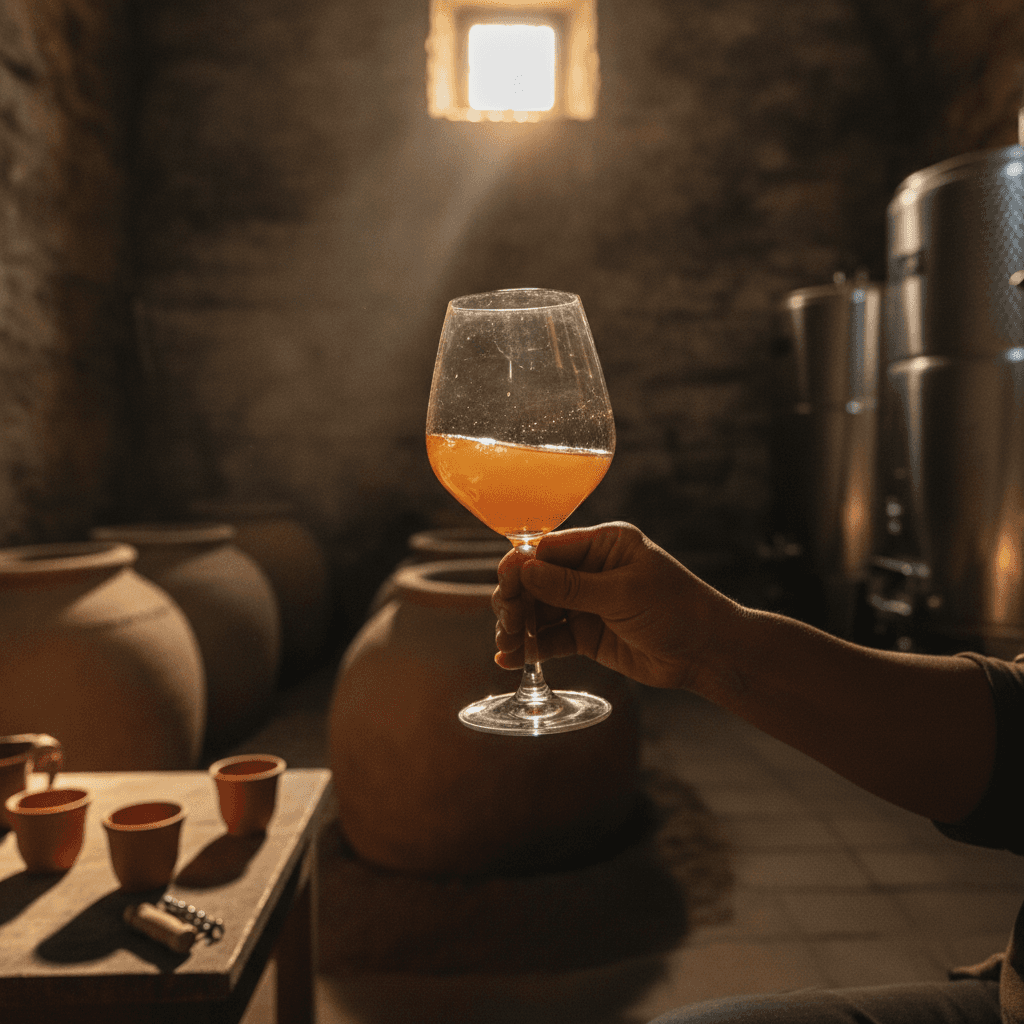
Introduction to Orange Wine
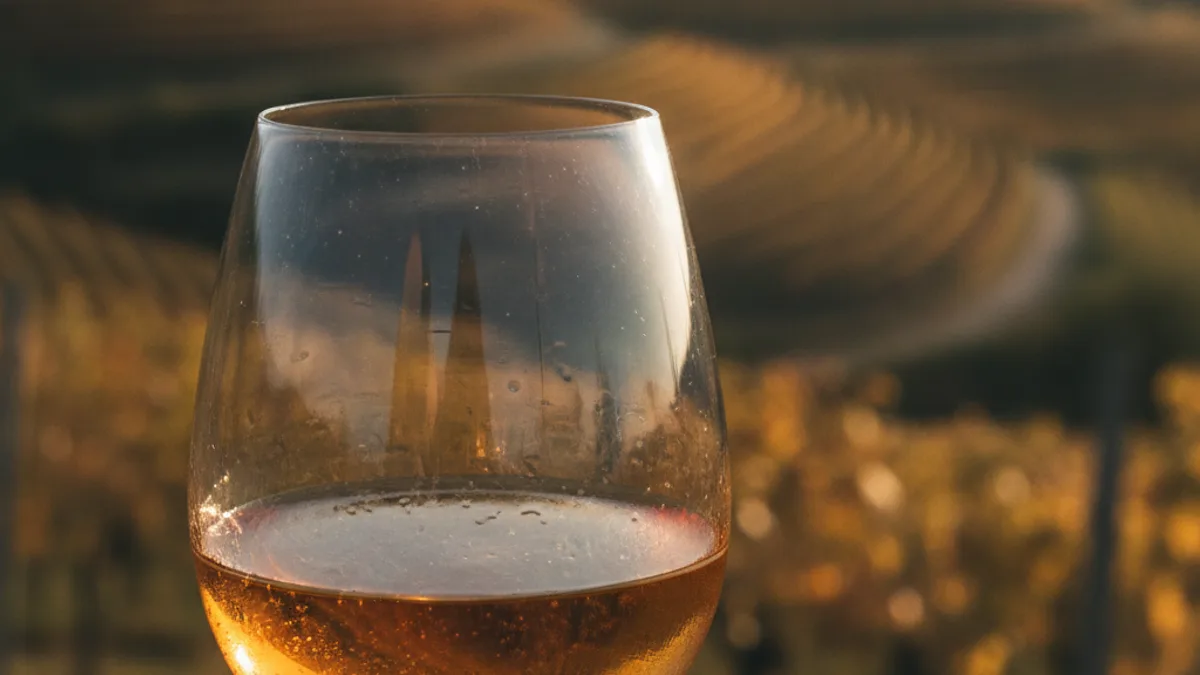
Walk into any trendy wine bar these days and you'll probably spot something unusual on the menu: orange wine. No, it's not made from oranges, and yes, it's definitely having a moment. After spending years tasting wines across California's wine country, I've watched orange wine go from "what's that?" to a genuine conversation starter at tastings.
Orange wine is made from white grapes that spend extended time in contact with their skins during fermentation — the same technique red winemakers use, but applied to white varieties. This skin contact is what transforms a white wine into something with an amber, copper, or orange color. The result? A wine that sits somewhere between white and red, with textures, tannins, and flavors you won't find in either category.
The technique itself isn't new at all. Winemakers in the country of Georgia have been making wine this way for over 8,000 years, using massive clay vessels called qvevri buried underground. What is new is the growing number of modern winemakers — from Sonoma County to Slovenia — who are reviving these ancient methods and introducing orange wine to curious drinkers everywhere.
Orange wine bridges the gap between white and red, offering textures and flavors that challenge everything you thought you knew about white grapes.
Why Orange Wine Is Making a Comeback
The resurgence isn't just about novelty. Orange wines offer something genuinely different in a wine world that can sometimes feel predictable. They pair beautifully with foods that stump traditional wines — think fermented dishes, rich vegetarian fare, and bold spices. They also appeal to natural wine enthusiasts who appreciate minimal intervention winemaking.
For wine lovers looking to expand their palate beyond the usual Chardonnay or Pinot Grigio, orange wine represents an exciting frontier. It's a style that rewards curiosity and offers a direct connection to winemaking history, all while tasting completely contemporary. Whether you're planning tasting experiences in Napa or exploring new wine styles at home, orange wine deserves a spot on your must-try list.
The Problem: Misunderstandings About Orange Wine
Orange wine has been around for thousands of years, yet most wine drinkers have never heard of it. When they do encounter it, the confusion starts immediately — and I see this all the time at tastings. People expect something citrusy or sweet, something that tastes like oranges. Then they take a sip and get hit with tannins, amber color, and flavors that don't fit any category they know. The disconnect is real, and it keeps a lot of curious drinkers from giving this ancient style a fair shot.
Why Orange Wine Gets Misunderstood
The name itself is the first problem. Orange wine doesn't come from oranges, and it's not a flavor descriptor. It's a winemaking technique applied to white grapes, where the juice stays in contact with the skins for an extended period — sometimes weeks or months. That skin contact gives the wine its distinctive amber or orange hue, along with tannins and texture you'd never find in a typical white. But if you don't know that going in, your first glass can feel like a trick question.
Another layer of confusion comes from the fact that orange wine doesn't fit neatly into the red-white-rosé framework most people use to navigate a wine list. It looks like a white that's gone off, or a rosé that's too dark. Sommeliers and wine shops often struggle with where to place it on the shelf or the menu, which means casual drinkers never stumble across it naturally. If you're not actively seeking it out, you might never know it exists.
The Awareness Gap
Even among people who've heard the term, there's a massive gap in understanding what orange wine actually is and where it comes from. Many assume it's a recent invention — some trendy natural wine experiment cooked up in Brooklyn or Copenhagen. In reality, this style has ancient roots stretching back thousands of years to the Republic of Georgia, where winemakers fermented white grapes in large clay vessels called qvevri, skins and all. The technique spread through Eastern Europe and parts of Italy, where it was a traditional method long before "natural wine" became a movement.
What looks like a modern trend is actually one of the oldest winemaking techniques still in practice today.
The lack of awareness creates a vicious cycle. Retailers don't stock orange wine because customers don't ask for it. Customers don't ask for it because they don't know what it is. Winemakers who produce it struggle to find shelf space, and the whole category stays niche. Meanwhile, wine drinkers who might genuinely love the style — people who enjoy complex, textured wines with food — never get the chance to discover it. The problem isn't the wine itself; it's the knowledge gap and the naming confusion that keeps it hidden in plain sight.
If you're exploring wine country or looking to expand your palate beyond the usual suspects, understanding what orange wine actually is — and what it isn't — opens up a whole new dimension of tasting experiences worth seeking out.
Steps to Understanding Orange Wine
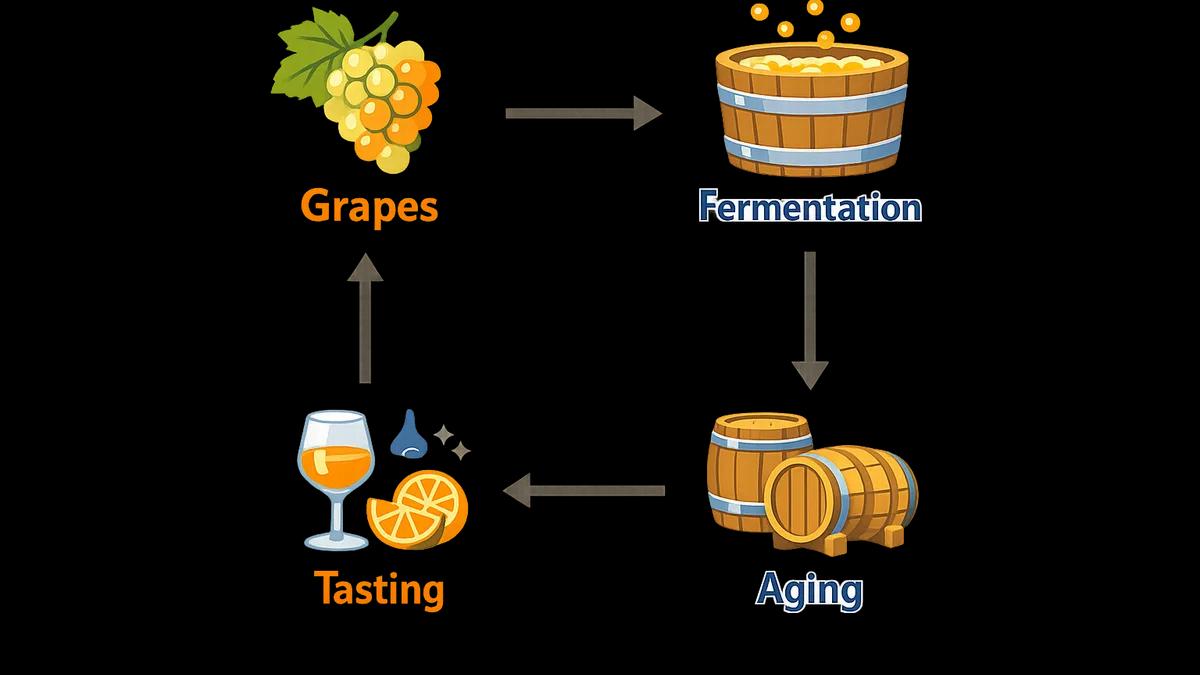
Getting comfortable with orange wine doesn't require a sommelier certification—just curiosity and a willingness to taste something different. Here's how to build your understanding from the ground up.
Start with the Basics: What You're Actually Tasting
Step 1
Learn the production method
Orange wine starts with white grapes—Pinot Grigio, Ribolla Gialla, Rkatsiteli—but instead of pressing them immediately, winemakers leave the juice in contact with the skins for days, weeks, or even months. This extended skin contact extracts color, tannins, and texture. Think of it as the opposite of rosé: where rosé gives red grapes a brief skin contact, orange wine gives white grapes a long one.
The result? A wine that looks amber or copper, feels grippy on your tongue like black tea, and tastes nothing like the crisp Sauvignon Blanc you're used to. That texture—the slight astringency—is your first clue you're drinking something made the old way.
Step 2
Identify the flavor profile
Orange wines typically show flavors of dried apricot, orange peel, bruised apple, nuts, and honey. You might also pick up savory notes—think sourdough, hay, or even a faint funk that reminds you of natural cheese. The finish is often dry and slightly bitter, like the pith of citrus fruit.
Don't expect tropical fruit or butter. Orange wine lives in a different flavor neighborhood—earthier, more complex, sometimes a little wild.
Taste Strategically to Build Your Palate
Step 3
Try a flight or tasting set
Many wine shops and tasting rooms now offer orange wine flights. Start with three bottles: one from Italy (look for Friuli), one from Georgia (the birthplace of the style), and one domestic option. Tasting side-by-side helps you see how region and grape variety shape the final wine.
Serve them slightly cool—around 55°F—not ice-cold. Temperature matters here; too cold and the tannins clamp down, too warm and the funk can overwhelm.
Pair It with Food to Unlock the Magic
Step 4
Match the wine's texture and weight
Orange wine's tannins and body make it a natural partner for foods that would overpower white wine but feel too light for red. Try it with roasted chicken, grilled vegetables, mushroom dishes, or aged cheeses. The wine's grip cuts through richness while its acidity refreshes your palate.
I've had great success pairing orange wine with Middle Eastern and North African cuisines—think tagines, falafel, or anything with tahini. The wine's savory edge and slight oxidative character play beautifully with those flavor profiles. For more pairing strategies that work across wine styles, check out Taste Chemistry: Surprising Expert Insights on Wine Pairings.
Explore the Regions and Producers
Step 5
Map your tasting journey
Once you've identified what you like, dig into specific regions. Georgia's Kakheti region produces traditional qvevri wines—fermented and aged in buried clay vessels. Italy's Friuli-Venezia Giulia is the modern epicenter, where producers like Gravner and Radikon pioneered the style's revival. Slovenia, Austria, and California also make compelling examples.
| Region | Typical Grapes | Style Characteristics |
|---|---|---|
| Georgia | Rkatsiteli, Mtsvane | Deeply tannic, earthy, traditional qvevri method |
| Friuli (Italy) | Pinot Grigio, Ribolla Gialla | Structured, complex, modern precision |
| California | Pinot Gris, Ribolla | Fruit-forward, approachable, lighter tannins |
Look for producers who specify skin-contact time on the label—it's a sign they're proud of their process and want you to understand what you're drinking.
Give It Time and Context
Step 6
Revisit and refine your palate
Your first orange wine might not click. That's fine. Try another in a few months, preferably with food, preferably when you're not comparing it to what you think wine "should" taste like. Orange wine rewards an open mind and a little patience.
The wines that challenge us the most often become the ones we reach for when we're tired of the predictable.
Keep notes on what you try—grape variety, region, how long it spent on the skins, what you ate with it. Patterns will emerge, and you'll start to see why this ancient style is capturing attention again.
Tips and Tricks for Enjoying Orange Wine
Now that you understand what orange wine is and how it's made, let's talk about actually drinking the stuff. Orange wine isn't like your typical Chardonnay or Pinot Grigio—it asks a little more of you, but it gives back in spades when you know how to handle it.
Choosing Your First Bottle
Start with something approachable. If you're new to orange wine, look for bottles with shorter skin contact times—these tend to be lighter in tannin and easier on the palate. The label won't always tell you the contact time, so don't be shy about asking your wine shop for a recommendation. Tell them you're curious but want something that won't punch you in the mouth.
Temperature matters more than you think. Serve orange wine slightly chilled, around 50-55°F. Too cold and you'll mute all those interesting flavors; too warm and the tannins can feel aggressive. I usually pull mine out of the fridge about twenty minutes before serving.
Food Pairing Strategies
This is where orange wine really shines. The tannin structure means it can handle foods that would normally call for red wine, while the acidity keeps it fresh enough for dishes you'd pair with white. Think of it as a bridge wine.
Rich, savory dishes are your friend. Orange wine loves roasted chicken with herbs, grilled vegetables, hard cheeses, charcuterie, and anything with a bit of funk—think aged Gouda or washed-rind cheeses. The wine's texture stands up to fatty, flavorful foods without getting lost.
For a deeper dive into how flavors interact, check out our guide on Taste Chemistry: Surprising Expert Insights on Wine Pairings.
Orange wine plays well with spice—try it with Moroccan tagine, Indian curry, or Korean barbecue when you want something more adventurous than your standard pairing.
Avoid delicate dishes. Light fish, simple salads, and anything subtle will get steamrolled by orange wine's personality. Save those for your Sauvignon Blanc.
Storing and Aging
Most orange wines are meant to be enjoyed within a few years of release, but some—especially those from producers committed to clean, sustainable practices—can age beautifully. The tannins and structure give them staying power that regular white wines don't have.
Store them like you would any wine: cool, dark, on their side. If you're cellaring orange wine, give it at least five years before you crack it open to see how it's developing. The flavors tend to integrate and mellow over time.
Finding Orange Wine in the Wild
Look for natural wine shops and adventurous wine bars. Orange wine has found a home in the natural wine movement, so places that specialize in low-intervention, sustainable wines usually have a few bottles on hand. Don't expect to find much at your average grocery store—yet.
Ask about the producer's approach. Wineries dedicated to sustainable farming and clean winemaking practices often make compelling orange wines because the style demands attention to detail. You want grapes that can stand up to extended skin contact without falling apart.
Taste before you commit to a full bottle. Many wine bars now offer orange wine by the glass, which is perfect for experimenting without the commitment. Try a few different styles to figure out what you like—some are funky and wild, others are more restrained and elegant.
Conclusion: The Bright Future of Orange Wine
Orange wine has come a long way from its ancient origins to become one of the most exciting categories in today's wine world. We've covered how this unique style gets its amber color and complex flavors from extended skin contact with white grapes, explored the traditional winemaking regions that kept the technique alive for thousands of years, and learned how modern producers are putting fresh spins on the classic method.
The beauty of orange wine lies in its versatility and personality. Whether you're pairing it with rich, spicy dishes that would overwhelm a lighter white, or you're simply curious about trying something outside the conventional wine categories, orange wine offers a drinking experience that's both ancient and refreshingly new. The tannins, texture, and depth you get from skin contact create wines that challenge our expectations and expand what's possible in a glass.
Why Now Is the Perfect Time to Explore
The current renaissance of orange wine isn't just a passing trend—it reflects a broader shift toward appreciating traditional techniques and seeking out wines with real character. More producers are experimenting with skin contact, more retailers are stocking orange wines, and more sommeliers are confidently recommending them. That means you have better access than ever to quality examples at various price points.
I've watched orange wine go from a curiosity to a staple on serious wine lists, and the momentum shows no signs of slowing. The category is attracting both natural wine enthusiasts and conventional wine lovers who appreciate the bridge it creates between white and red wine experiences.
Sharing a bottle of wine with friends and family, over a great meal, is one of the true joys in life—and orange wine brings something special to those moments.
If you're planning to dive deeper into wine exploration, consider visiting wine country where you can taste these wines directly from the producers who make them. The hands-on experience of tasting experiences in Napa can give you a fuller understanding of how winemaking choices shape what ends up in your glass, and many regions now feature orange wine producers alongside their traditional offerings.
Don't let uncertainty hold you back from trying orange wine. Start with a bottle from a reputable producer, serve it slightly chilled, and approach it with an open mind. You might discover your new favorite wine style, or at minimum, you'll expand your palate and gain a deeper appreciation for the incredible diversity that wine offers. The ancient winemakers who first stumbled onto this technique thousands of years ago would be thrilled to know their method is thriving again—and now it's your turn to be part of that story.