Sonoma Wineries List: Complete Guide by Region
Sonoma County isn't just wine country—it's a patchwork of microclimates, soil types, and winemaking philosophies that create one of the most diverse tasting experiences in the world.
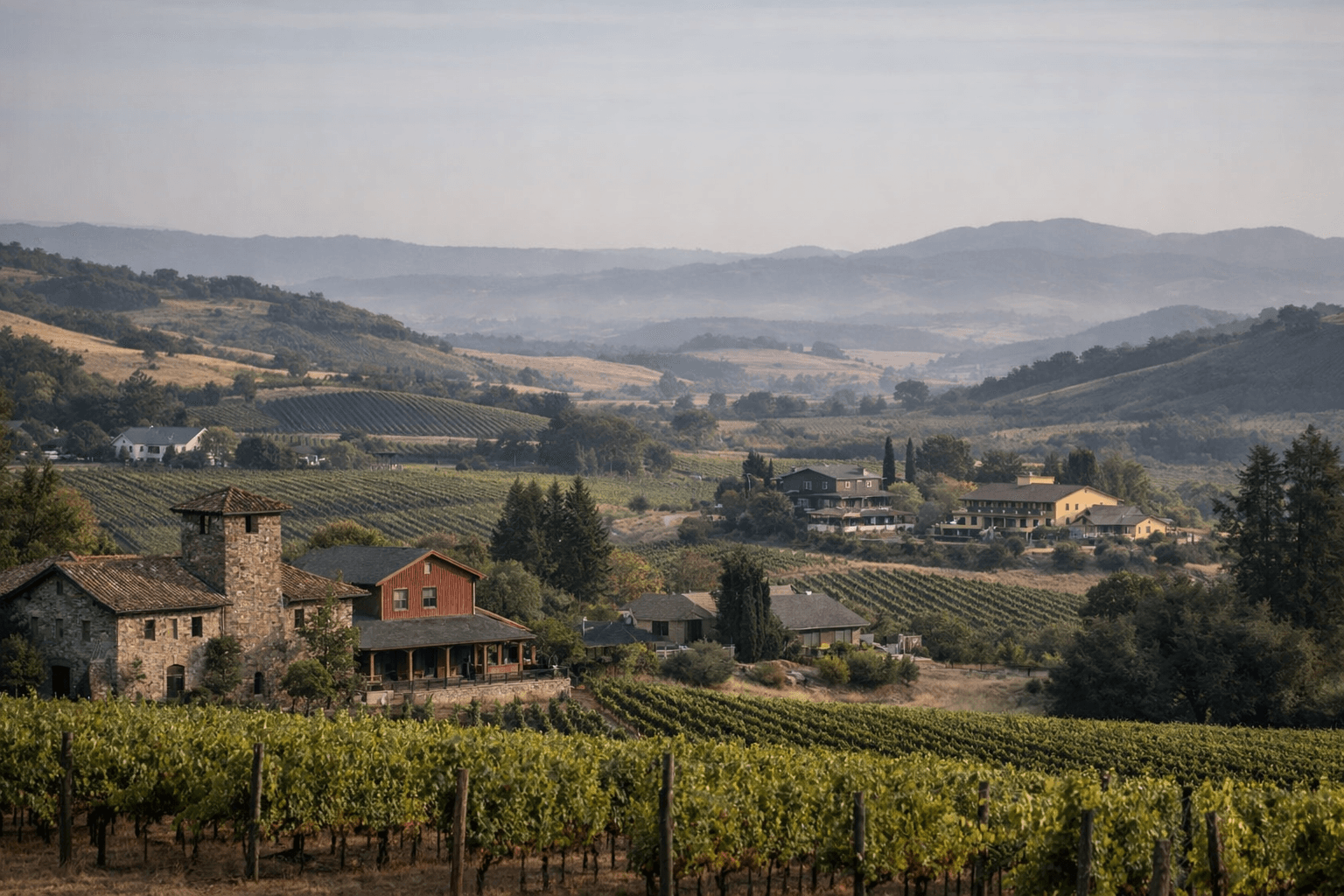
Welcome to Your Ultimate Sonoma Wineries List
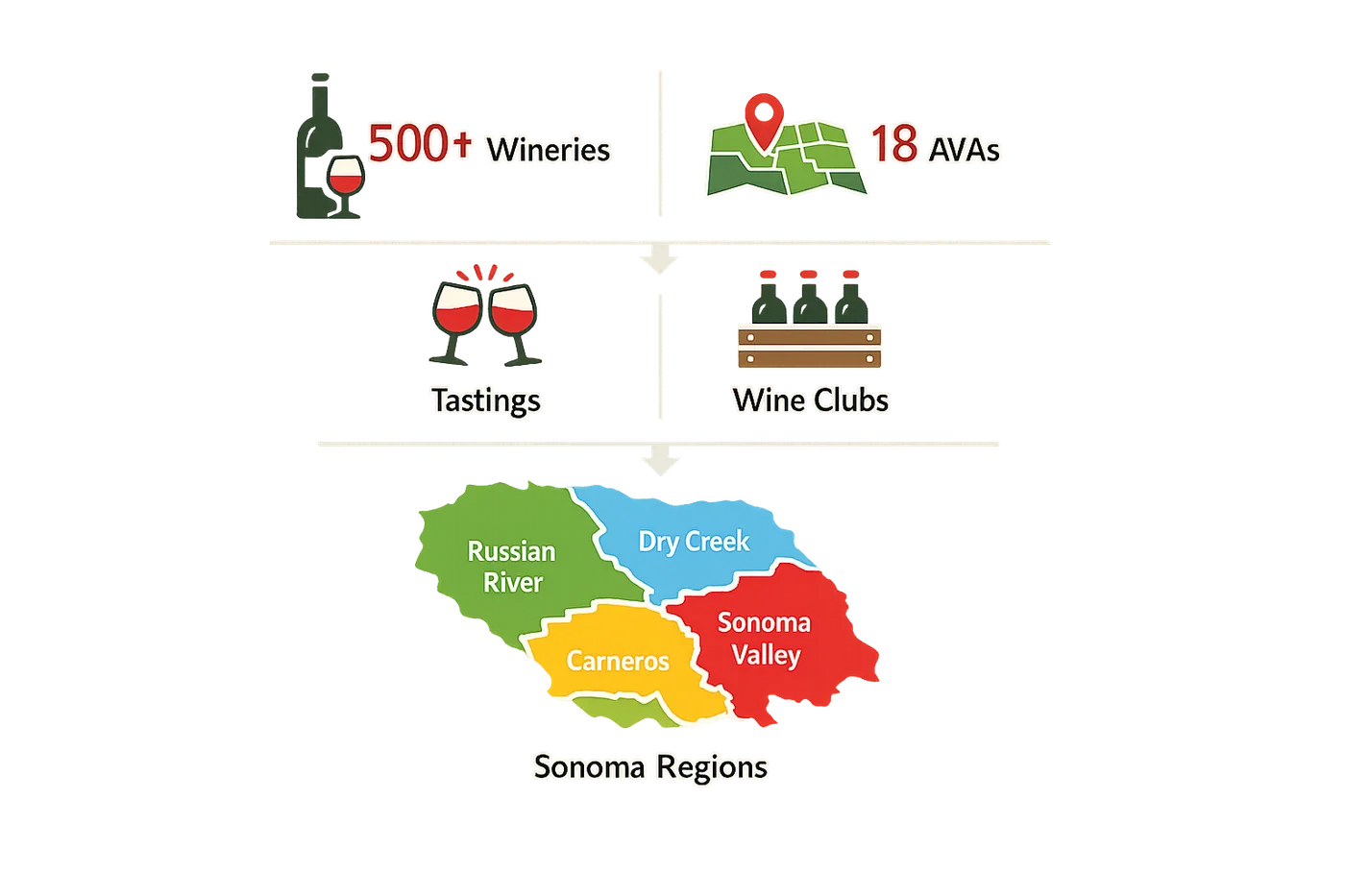
Sonoma County isn't just wine country—it's a patchwork of microclimates, soil types, and winemaking philosophies that create one of the most diverse tasting experiences in the world. With over 425 wineries spread across 18 distinct American Viticultural Areas, choosing where to visit can feel overwhelming. That's exactly why a well-organized sonoma wineries list matters.
I've spent years exploring these valleys and hillsides, and here's what I've learned: the difference between a good wine country day and a great one comes down to understanding the regional character before you arrive. The cool-climate Pinot Noirs of Russian River Valley taste nothing like the bold Cabernets from Alexander Valley, even though they're separated by less than 30 miles. When you're navigating Sonoma's wine regions with intention, you're not just tasting wine—you're tasting place.
This guide breaks down Sonoma's wineries by region, giving you the context you need to build an itinerary that matches your palate and interests. Whether you're chasing organic practices in Sonoma Valley, seeking out family-owned estates in Dry Creek, or exploring the elegant restraint of cool-climate whites in the Sonoma Coast, you'll find the information organized to make planning intuitive rather than exhausting.
The beauty of Sonoma lies in its approachability. Unlike some wine regions that can feel intimidating, Sonoma wineries tend toward warmth and education over pretension. But that doesn't mean all tasting rooms are created equal—knowing which producers align with your style makes all the difference between a forgettable afternoon and a collection of bottles you'll treasure for years.
Explore the comprehensive sonoma wineries list organized by region, perfect for planning your next wine tasting adventure.
What is the Sonoma Wineries List?
The Sonoma wineries list is essentially your roadmap to one of California's most celebrated wine regions. It's a comprehensive collection of wineries scattered across Sonoma County, organized by their specific sub-regions and appellations. Think of it as your curated guide to discovering everything from intimate family-run estates to iconic producers that have shaped California wine history.
What makes this list special is how it captures the diversity of Sonoma's wine landscape. The region has been home to world-renowned vineyards and wineries since the first plantings in 1825, giving it nearly two centuries of winemaking heritage. That's a lot of terroir, tradition, and talent packed into one county.
Why Organization by Region Matters
Sonoma isn't just one big wine zone—it's a patchwork of distinct microclimates and soil types. When you're navigating Sonoma's wine regions, you'll notice that wineries along the Russian River Valley specialize in different varietals than those in Dry Creek Valley or the Carneros District. The list helps you understand these geographical distinctions so you can plan tastings that match your palate preferences.
The California Highway 12 corridor, for instance, runs through legendary Sonoma Valley and the famed Carneros District, connecting dozens of producers along what many consider the quintessential Wine Road. Wineries in this area recognize their connection to this historic route and often highlight it as part of their identity.
What You'll Find on the List
A proper Sonoma wineries list includes more than just names and addresses. It typically provides:
- Appellation information – Which specific wine region each winery calls home
- Specialty varietals – What grapes they're known for growing and producing
- Tasting room details – Whether appointments are required, what the experience includes
- Historical context – Heritage wineries versus newer boutique operations
This organization helps you move beyond random selections and craft an itinerary that tells a story—whether that's exploring old-vine Zinfandel in Dry Creek, comparing coastal Pinot Noirs, or discovering small-production gems you won't find in retail stores.
The list serves both first-time visitors who need structure and seasoned wine enthusiasts hunting for their next favorite producer. It's not just about quantity; it's about giving you the context to make informed choices about where your time and tasting budget will be best spent.
Why the Sonoma Wineries List Matters
Look, Sonoma County isn't just another wine destination—it's a living piece of wine history that's been shaping California's reputation since 1825. When you're staring down dozens of world-renowned vineyards scattered across valleys and hillsides, having a solid list isn't just convenient. It's essential.
Planning Your Visit with Confidence
A comprehensive sonoma wineries list gives you the power to design your own experience instead of wandering aimlessly down Highway 12 hoping to stumble onto something good. You can map out your day by region, identify which wineries align with your taste preferences, and actually make reservations where they're required. Trust me, showing up without a plan during peak season is a rookie move that leads to closed doors and disappointment.
The list also helps you discover hidden gems beyond the big names everyone already knows. Sure, the famous estates are famous for a reason, but some of the most memorable tastings I've experienced have been at smaller producers who don't have massive marketing budgets.
Understanding Sonoma's Diverse Landscape
Sonoma County covers a massive area with distinct microclimates and terroirs. A good list organized by region helps you understand why a Pinot Noir from the Russian River Valley tastes nothing like one from Dry Creek Valley. When you're navigating Sonoma's wine regions, that regional context transforms your tasting from random sampling into an actual education.
Connecting with Wine Community and Events
The winery list becomes even more valuable when you realize it's a gateway to the broader wine community. Events like the Cookout at the Vineyard showcase how Sonoma's wineries come together to celebrate wine, food, and hospitality. These three-day celebrations connect you with renowned chefs, underrepresented professionals in the industry, and fellow wine enthusiasts who share your passion. Without knowing which wineries are participating, you'd miss these meaningful experiences entirely.
Building Your Wine Knowledge
Every winery on that list represents a different philosophy, a unique approach to winemaking, and a distinct story. When you visit systematically rather than randomly, you start recognizing patterns—how different producers handle the same varietal, which sustainable practices are gaining traction, and what makes Sonoma's wine culture different from Napa's just across the mountains. That accumulated knowledge makes every subsequent visit richer and more rewarding.
How to Use the Sonoma Wineries List
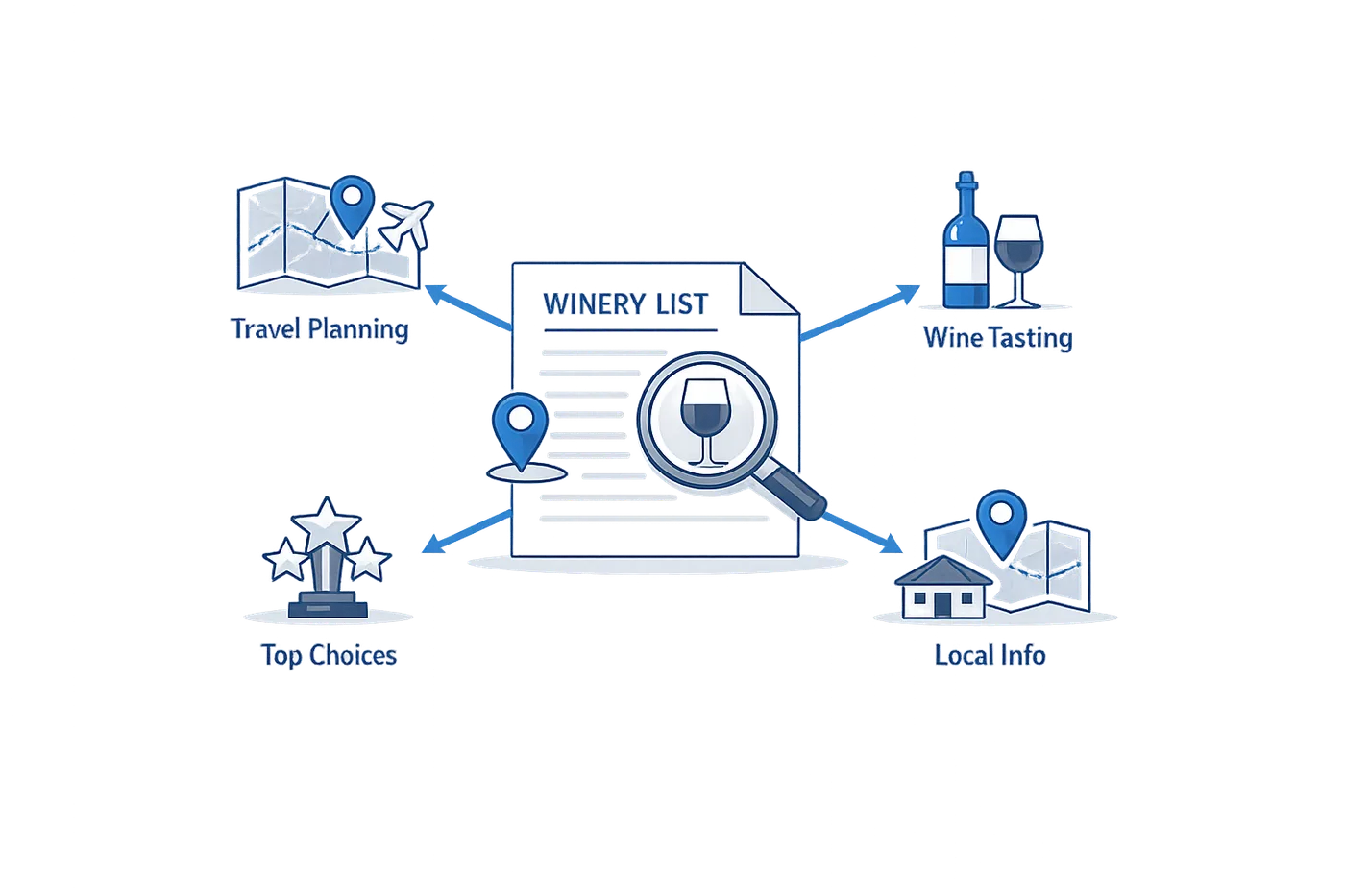
Think of your Sonoma wineries list as your personal roadmap through wine country—not just a directory, but a planning tool that turns a potentially overwhelming landscape into a manageable adventure. The key is knowing how to filter, prioritize, and sequence your visits so you're tasting wines you'll actually love rather than wandering aimlessly from tasting room to tasting room.
Start by Mapping Your Wine Preferences
Before you dive into the full list, get honest about what you actually enjoy drinking. Are you a Pinot Noir devotee? A Chardonnay fan? Or maybe you're curious about lesser-known varietals like Grenache or Zinfandel? Use your list to filter wineries by their signature wines—most comprehensive lists will note each producer's specialty. This saves you from booking tastings at places that focus on styles you don't typically enjoy.
Once you know your preferences, look at the regions where those wines thrive. Russian River Valley is your go-to for elegant Pinots and crisp Chardonnays, while Dry Creek Valley excels with bold Zinfandels and Cabernet Sauvignon. Your list becomes infinitely more useful when you're matching your palate to the right geography.
Cluster Your Visits Geographically
Sonoma County is big—about 1,768 square miles—so trying to hit wineries across multiple regions in one day is a recipe for exhaustion and disappointment. Instead, use your list to identify wineries within a 10-15 mile radius of each other. Group your day around one sub-region: spend a morning in Healdsburg hitting three Russian River producers, or dedicate an afternoon to Sonoma Valley estates.
This clustering approach isn't just about logistics. Each region has its own vibe, and staying put lets you really absorb the character of the place rather than spending half your day on Highway 12. Plus, you'll have time to linger at that one tasting room where the wine really speaks to you, rather than rushing off to the next appointment.
Balance Big Names with Hidden Gems
Your list probably includes both the household names and the small-production wineries that locals whisper about. Don't stack your itinerary with only one type. Big, established wineries often have stunning facilities, educational tours, and consistent experiences—they're famous for a reason. But the smaller producers offer something different: intimate tastings, direct access to winemakers, and wines you won't find in stores.
A solid strategy is to anchor each day with one well-known winery (these often have better amenities like food pairings or gardens to explore) and then fill in with two smaller spots. This gives you variety in both wine style and experience type. For more guidance on structuring your visits, check out Planning Your Sonoma Winery Visits.
Check Tasting Room Policies and Amenities
Not all tasting experiences are created equal, and your list should help you understand what to expect before you arrive. Some wineries offer walk-in tastings at a bar, while others require reservations for seated, appointment-only experiences. Some welcome families and have picnic grounds; others are adults-only and focus on serious wine education.
Look for details like:
- Tasting fees and whether they're waived with purchase
- Food pairing options or the ability to bring your own picnic
- Pet-friendly policies if you're traveling with a dog
- Accessibility features if mobility is a concern
- Wine club benefits if you're considering joining
These details matter more than you'd think. Showing up hungry to a winery with no food program when you thought they had a restaurant can derail your whole afternoon.
Build in Flexibility and Downtime
Here's something I learned the hard way: trying to cram five or six wineries into one day sounds productive but usually ends in palate fatigue and a blur of unmemorable wines. Use your list to plan three, maybe four stops maximum, and build in time between them. This gives you space to browse the tasting room, chat with staff, walk the property, or just sit and enjoy the view with a glass in hand.
Leave room for spontaneity too. If your first stop of the day blows you away, you might want to extend your visit, join the wine club, or grab lunch there. A rigid schedule kills that possibility. Your list is a guide, not a prison sentence—the best wine country days often include at least one unplanned detour.
Best Practices for Visiting Sonoma Wineries
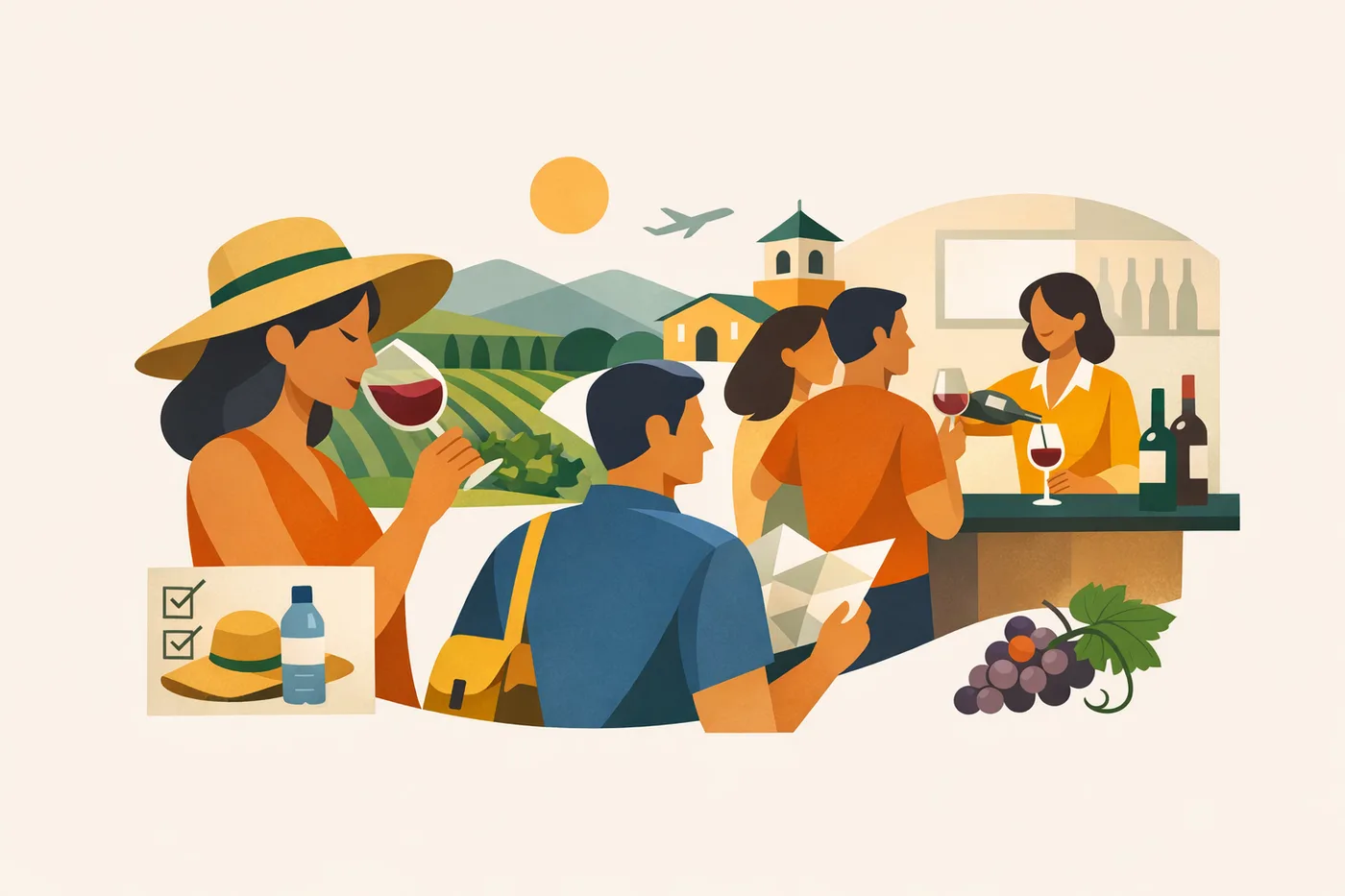
Visiting Sonoma wineries is about more than just showing up and sipping wine—it's about creating an experience you'll remember long after the last pour. Whether you're a seasoned wine enthusiast or planning your first tasting adventure, following a few key practices will help you make the most of every visit and enjoy the hospitality that makes Sonoma special.
Make Reservations Ahead of Time
The days of spontaneous winery hopping are mostly behind us. Most Sonoma wineries now require or strongly recommend reservations, especially for seated tastings and tours. Booking ahead ensures you'll have a spot, particularly during peak seasons like harvest time in fall or summer weekends. Walk-ins might be welcomed at some locations, but you're taking a chance—and the last thing you want is to drive all the way to your dream winery only to be turned away at the gate.
Reservations also give wineries time to prepare for your visit, which often translates to better service and a more personalized experience. Many wineries limit the number of guests per time slot to maintain an intimate atmosphere, so planning ahead isn't just courteous—it's essential.
Pace Yourself Throughout the Day
It's tempting to pack your itinerary with back-to-back tastings, but three to four wineries in a day is the sweet spot. Any more than that and your palate starts to fatigue, making it harder to appreciate the nuances of each wine. Space your visits out with at least an hour between tastings, and build in time for a leisurely lunch—Sonoma's wine country restaurants are worth the stop.
Drink plenty of water between tastings and don't skip the crackers or bread offered at tasting bars. They're not just filler—they cleanse your palate and help you stay sharp through multiple pours. If you're planning a full day exploring Sonoma County's diverse wine country, pacing becomes even more important.
Engage with the Staff and Ask Questions
The people pouring your wine are your best resource. They know the vineyards, the winemaking process, and which bottles pair perfectly with your favorite foods. Don't be shy about asking questions—whether it's about the vintage, the terroir, or what makes a particular wine unique. Most tasting room staff are passionate about what they do and genuinely enjoy sharing their knowledge.
If you're interested in a specific varietal or style, let them know upfront. They can often tailor your tasting to highlight wines that match your preferences. And if you're visiting a winery known for organic practices or estate-grown grapes, ask about their approach—it's often a point of pride and makes for great conversation.
The best tastings happen when you treat the experience as a conversation, not a transaction.
Dress Comfortably and Appropriately
Sonoma wine country is beautiful but casual. Leave the stilettos at home and opt for comfortable walking shoes—you might be strolling through vineyards or standing on gravel paths. Layers are your friend, especially if you're visiting in spring or fall when temperatures can swing from cool mornings to warm afternoons.
Many wineries are family-friendly and welcome a relaxed vibe, so there's no need to overdress. That said, you're still a guest at someone's business, so aim for neat and presentable. A sundress or nice jeans with a collared shirt fits the bill perfectly.
Tip Generously and Respect the Space
Tasting room staff work hard to create memorable experiences, and tipping is appreciated—especially if you've received exceptional service or spent extra time with a guide. A standard tip is $5 to $10 per person for a standard tasting, more if you've done a private tour or food pairing.
Respect the winery's space by following their rules: don't bring outside food unless it's explicitly allowed, keep your voice at a conversational level, and be mindful of other guests. If you're bringing kids, make sure they're entertained and supervised—many wineries welcome families, but it's up to you to ensure they're not disrupting others.
Plan for Safe Transportation
This one's non-negotiable. Designate a driver, hire a car service, or book a tour group before you start tasting. Sonoma's winding roads and rural highways aren't forgiving, and even a small amount of wine can impair your judgment. Many visitors opt for guided tours or rideshare services to take the stress out of navigating between wineries.
If you're staying overnight, consider booking accommodations near the wineries you plan to visit. That way, you can relax fully without worrying about the drive home.
Common Mistakes to Avoid at Sonoma Wineries
Even seasoned wine lovers can stumble when visiting Sonoma's diverse wine country. I've watched plenty of visitors miss out on great experiences because of a few easily avoidable missteps. Knowing what not to do can make the difference between a frustrating day and an unforgettable one.
Skipping Reservations
Many wineries now require advance bookings, especially on weekends and during harvest season. Showing up without a reservation often means getting turned away at the door, particularly at smaller boutique estates. Call ahead or book online—most wineries make it easy through their websites, and you'll guarantee your spot at the tasting bar.
Last-minute changes happen, but give wineries at least 24 hours' notice if you need to cancel. They're preparing for your visit, and courtesy goes a long way in wine country.
Trying to Visit Too Many Wineries in One Day
The "winery marathon" approach rarely ends well. Cramming six or seven stops into a single day leaves you rushed, exhausted, and unable to appreciate the wines by mid-afternoon. Your palate gets fatigued after about three or four tastings, making everything taste similar.
This pacing lets you actually remember the wines you loved and have meaningful conversations with tasting room staff. You're here to enjoy the experience, not check boxes on a list.
Wearing Strong Fragrances
Perfume, cologne, and heavily scented lotions interfere with everyone's ability to smell and taste wine properly. In a small tasting room, one person's fragrance can dominate the space and ruin the experience for others. Skip the scent entirely when visiting wineries—your fellow tasters will silently thank you.
The same goes for strong-smelling hand lotions or even fabric softener on your clothes. Wine appreciation relies heavily on your sense of smell, so keep it clean and neutral.
Ignoring the Spit Bucket
Using the spit bucket isn't about being wasteful—it's about staying sharp enough to appreciate every wine and drive home safely.
Many visitors feel awkward spitting, but it's standard practice at wineries and expected during serious tastings. You're sampling wines to evaluate them, not drinking socially. After three or four wineries, those small pours add up quickly.
Professional tasters spit almost everything. There's no shame in it, and the staff would rather see you use the bucket than watch you get sloppy by your third winery.
Dismissing Wines Before Tasting Them
Saying "I don't like Chardonnay" or "I only drink reds" before you've tried what's in your glass closes you off to discoveries. Sonoma produces incredible diversity—a Russian River Pinot Noir tastes nothing like a Dry Creek Zinfandel, and a cool-climate Chardonnay from the Sonoma Coast bears little resemblance to the buttery versions you might be avoiding.
Approach each wine with curiosity. You might surprise yourself, and you'll definitely learn more about what you actually enjoy versus what you think you should like.
Neglecting to Ask Questions
Tasting room staff love talking about their wines, vineyards, and winemaking philosophy. They're not just pouring—they're educators and ambassadors. Asking questions shows genuine interest and often leads to deeper insights, special bottle recommendations, or even access to library wines not on the regular tasting menu.
Don't worry about sounding inexperienced. Good questions like "What makes this vineyard site special?" or "How did you decide on this blend?" open up conversations that enhance your understanding and enjoyment.
Forgetting About Food and Water
Wine tasting on an empty stomach accelerates alcohol absorption and dulls your palate. Many wineries offer food pairings, cheese plates, or picnic areas—take advantage of them. Pack snacks in your car for between stops, and drink water consistently throughout the day.
Dehydration sneaks up on you, especially during warm weather. Alternate water with wine, and you'll feel better, taste more clearly, and enjoy the day without the afternoon crash.
Comparing Sonoma to Napa Constantly
Sonoma has its own distinct character, terroir, and winemaking traditions. Constantly referencing Napa or making comparisons gets old fast for locals and staff. Each region excels at different things—Sonoma's diversity of microclimates and family-owned estates create experiences you won't find anywhere else.
Embrace Sonoma for what it is rather than what it isn't. You'll have a more authentic experience and probably discover why so many people prefer its laid-back, approachable wine country vibe. For those curious about how Napa's wine scene compares, both regions offer unique strengths worth exploring separately.
Leaving Your Purchases in a Hot Car
Summer temperatures can ruin wine quickly. If you're buying bottles, ask wineries to hold your purchases until the end of the day, or bring a cooler in your trunk. Heat-damaged wine develops cooked flavors and loses the characteristics that made you buy it in the first place.
Many wineries will ship directly to your home for a reasonable fee, which solves both the heat problem and the hassle of traveling with fragile bottles.
Frequently Asked Questions about Sonoma Wineries
Do I need to make reservations at Sonoma wineries?
Yes, most Sonoma wineries now require advance reservations for tastings. This shift happened gradually over the past few years, and it's become pretty much standard practice. Call ahead or book online at least a few days before your visit—some popular spots fill up weeks in advance, especially on weekends. Walk-ins are rare these days, so don't count on spontaneity unless you're prepared for disappointment.
How much does wine tasting cost in Sonoma?
Tasting fees typically range from $25 to $75 per person, depending on the winery and the experience level. Standard flights usually sit around $30-40, while reserve or library tastings can push higher. Many wineries waive the tasting fee if you purchase wine, but not all do—ask when you book. Budget $50-100 per person for a full day of tastings if you're planning multiple stops.
What should I wear to Sonoma wineries?
Casual but polished works best. Think nice jeans or slacks with a button-down or blouse—you're aiming for "wine country chic," not black-tie formal. Comfortable walking shoes are essential since you'll be on your feet and possibly touring vineyards. Skip the heavy perfume or cologne; it interferes with wine aromas and annoys everyone around you. Layers help too—mornings can be cool even when afternoons warm up.
How many wineries should I visit in one day?
Three to four wineries is the sweet spot for a full day. Any more than that and you're rushing through tastings without really experiencing anything—plus, palate fatigue sets in. Space your visits about 90 minutes to two hours apart to allow for the tasting itself, some conversation with staff, and travel time between locations. If you're serious about learning, two thoughtful visits beat five hurried ones every time.
Can I bring children to Sonoma wineries?
Policies vary widely by winery. Some welcome families and have outdoor spaces where kids can play, while others maintain a 21-and-over policy across the board. Always call ahead to ask about their specific rules—showing up with children at a no-kids winery is awkward for everyone. Wineries that do allow children typically expect parents to supervise closely and keep noise levels reasonable.
Are Sonoma wineries accessible for people with disabilities?
Most modern tasting rooms are ADA-compliant with wheelchair access and accessible restrooms. Older estates or hillside properties might present challenges, though many have made improvements. Check the winery's website or call directly to ask about specific accessibility features—staff can often suggest the best parking spots or alternate entrances. If you're planning your Sonoma winery visits, accessibility should be part of your research upfront.
What's the best time of year to visit Sonoma wineries?
Fall harvest season (September through October) offers gorgeous weather and the excitement of crush, but it's also the busiest and most expensive time. Spring (April-May) brings beautiful mustard blooms and fewer crowds. Winter is quiet and often rainy, but you'll get more personal attention from winemakers. Summer gets hot and crowded on weekends but offers plenty of outdoor events and long daylight hours.
Do Sonoma wineries support diversity in the wine industry?
Some Sonoma wineries actively work to promote inclusivity and support underrepresented professionals in wine and hospitality. Events like the Cookout at the Vineyard specifically focus on empowering diverse voices in the industry through wine, food, and meaningful connections. The wine community here is gradually becoming more aware of representation issues, though there's still work to do.
Can I ship wine home from Sonoma wineries?
Most wineries ship to many states, but laws vary depending on where you live. Some states don't allow direct-to-consumer wine shipments at all, while others have quantity limits or require special permits. Ask the tasting room staff about shipping to your state—they'll know immediately if it's possible. If shipping isn't an option, you can usually check wine as luggage when flying home, though you'll need proper packaging.
Wrapping Up Your Sonoma Wineries Experience
Your journey through the sonoma wineries list is just the beginning. Whether you're drawn to the historic estates along Highway 12, the family-run gems tucked into hillside vineyards, or the modern tasting rooms with sweeping valley views, Sonoma County offers something for every wine lover. The key is to approach each visit with curiosity, respect the winemakers' craft, and let the experience unfold naturally.
Over the years, I've watched visitors transform from nervous first-timers to confident tasters who know exactly what they love. The magic happens when you stop worrying about saying the "right" thing and start paying attention to what's in your glass. That's when wine tasting becomes less about checking boxes and more about genuine discovery.
Remember the essentials: book ahead, pace yourself, ask questions, and don't be afraid to explore beyond the big names. Some of my most memorable tastings have happened at small producers where the winemaker poured the wines themselves and shared stories you won't find in any guidebook. Use this guide as your starting point, but leave room for spontaneity—the best wine country moments often happen when you take that unmarked road or accept a local's recommendation.
Before you head out, make sure you've got the practical details covered. Review Planning Your Sonoma Winery Visits for logistics, timing, and insider tips that'll help you make the most of every stop. The wineries will still be there tomorrow, but the experience you create today is entirely yours.
Now get out there and start tasting. The vineyards are waiting, and there's a bottle with your name on it somewhere in Sonoma Valley.