Navigating Sonoma's Wine Regions
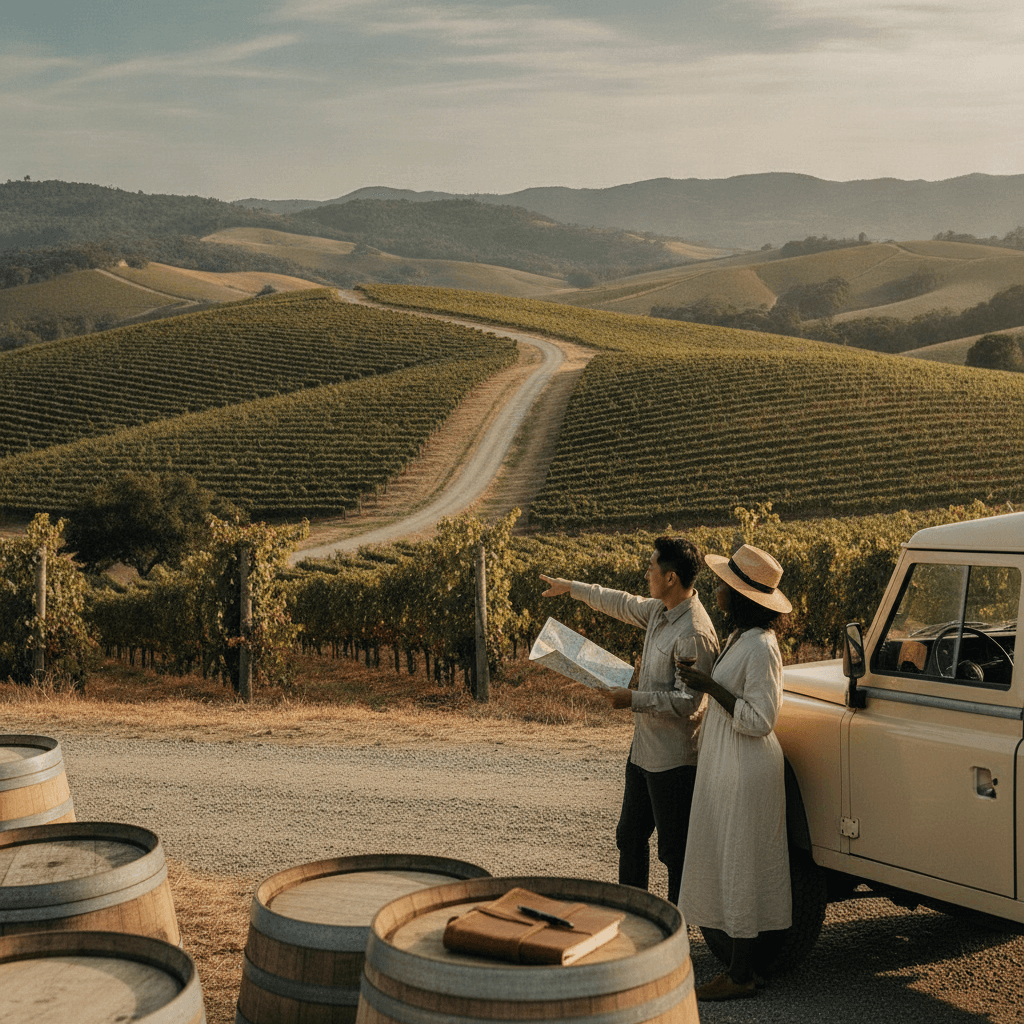
Introduction
Sonoma wine regions aren't just one area—they're a patchwork of seventeen distinct American Viticultural Areas, each with its own personality, terroir, and wine styles. From the fog-kissed vineyards of the Sonoma Coast to the sun-drenched valleys where Zinfandel thrives, navigating this sprawling wine country can feel overwhelming if you don't know where to start.
I've spent years guiding visitors through these valleys, and I've learned that the secret to a great Sonoma experience isn't trying to see everything—it's understanding what makes each area special and building your itinerary around what you actually want to taste. The region has been at the heart of Northern California wine culture since the first plantings in 1825, giving it a depth of history that's woven into every tasting room conversation.
The best Sonoma visit isn't measured by how many wineries you hit, but by how deeply you connect with the ones you choose.
Whether you're a Pinot Noir devotee planning a tour of the Russian River Valley, a Chardonnay lover heading to the Carneros District, or simply curious about what makes Sonoma different from Napa, this guide will help you navigate the landscape with confidence. We'll walk through the practical steps to plan your route, choose your stops, and make the most of your time in one of California's most rewarding wine destinations.
The key is approaching Sonoma wine regions as a collection of neighborhoods rather than a single destination. California Highway 12, known as the quintessential Wine Road, connects legendary Sonoma Valley and the Carneros District, offering one of many corridors that thread through this diverse region. Once you understand the geography and what grows where, the rest falls into place—and your tasting experiences become infinitely more meaningful.
The Challenge of Navigating Wine Regions
Sonoma County isn't just one wine region — it's a patchwork of seventeen distinct American Viticultural Areas (AVAs), each with its own personality, microclimates, and signature varietals. For first-time visitors, that diversity can feel overwhelming. You're staring at a map dotted with dozens of wineries along corridors like Highway 12, which has been the backbone of Northern California wine country since the first vines were planted in 1825, and you're supposed to just… pick?
Too Many Choices, Not Enough Context
The paradox of Sonoma is that its richness becomes its own obstacle. You might know you want Pinot Noir, but should you head to the Russian River Valley or the cooler reaches of the Sonoma Coast? Maybe you've heard about old-vine Zinfandel, but you're not sure which sub-region actually grows it. Without a framework for understanding how these areas differ — and why it matters — you end up choosing wineries based on Instagram photos or whoever has same-day availability.
The Reservation Puzzle
Then there's logistics. Some tasting rooms welcome walk-ins; others require reservations booked weeks in advance. You might arrive at a beautiful estate only to find they're fully booked, or discover that the winery you wanted to visit is actually forty-five minutes from your last stop — through winding backroads with no cell service. Reservations are highly recommended to ensure a seamless experience at most Sonoma wineries, but even knowing that doesn't tell you which wineries to book or in what order.
Knowledge Gaps That Derail the Day
Finally, there's the learning curve. If you don't know the difference between a valley-floor Cabernet and a mountain Cabernet, or why one winery focuses on estate fruit while another sources from multiple AVAs, you're missing the story behind what's in your glass. That gap doesn't just flatten the tasting experience — it makes it harder to decide where to go next. You end up treating wineries like interchangeable stops instead of intentional chapters in a bigger narrative about Sonoma's terroir.
The good news? Once you understand the shape of the challenge, the solutions become surprisingly straightforward.
How Do You Navigate Sonoma Wine Regions?
Navigating Sonoma wine regions doesn't have to feel overwhelming. With a little planning and the right approach, you can craft an experience that matches your interests and leaves you with bottles you'll actually want to drink. Here's how to make the most of your visit.
Start with Research and Choose Your Focus
Before you hit the road, decide what kind of wines excite you most. Sonoma Valley is known for its organic grapes and world-class wines, making it a prime destination whether you're into bold reds or crisp whites. If you're curious about sustainable practices, look for wineries that embrace traditional methods — these producers often create soft, elegant, and balanced wines that truly reflect the region's character.
Step 1
Map out your route by sub-region
Sonoma County has multiple distinct wine regions, each with its own personality. Pick one or two areas to explore per day rather than zigzagging across the entire county. Group your tastings geographically to maximize time at the wineries and minimize windshield time.
Step 2
Book appointments in advance
Many Sonoma tasting rooms require reservations, especially on weekends. Call or email at least a week ahead to secure your spot. This also gives you a chance to ask about their wine styles and whether they offer private tastings or vineyard tours.
Step 3
Mix well-known and boutique producers
Balance your itinerary between established names and smaller, family-run operations. The bigger wineries offer polished experiences and broader selections, while boutique producers often pour small-lot wines you can't find anywhere else. Many of these smaller wineries sell exclusively through their tasting rooms and wine clubs, so it's your only chance to try them.
Plan Your Logistics
Designate a driver, hire a service, or book a guided tour — this isn't negotiable. Sonoma's roads wind through hills and valleys, and tasting adds up faster than you think. Most visitors can comfortably handle three to four wineries in a day without rushing. Any more than that and the wines start to blur together.
Bring water, snacks, and a cooler if you're buying bottles. Sonoma days can get warm, and you'll want to keep your purchases at a stable temperature. If you're flying home with wine, check out strategies for safe transport without breakage.
Engage with the People Pouring
The tasting room staff are your best resource. Tell them what you like, what you're curious about, and what you're hoping to discover. They'll steer you toward wines that match your palate and often share stories about the vineyard, the winemaker's philosophy, or the vintage conditions that shaped what's in your glass.
The best tastings happen when you're honest about what you enjoy — sommeliers and pourers love matching people with wines they'll actually drink, not just wines that sound impressive.
Don't be shy about asking questions. How do they farm? What makes this vintage different? Why did they choose this barrel or that blend? Wineries that practice sustainable farming methods often have fascinating stories about how their approach influences the final product.
Comparison of Tasting Styles
| Tasting Format | Best For | What to Expect |
|---|---|---|
| Walk-in flight | Casual exploration | Standard pours of 4-6 wines, minimal interaction |
| Seated reservation | Focused learning | Guided tasting with background on each wine |
| Vineyard tour | Understanding terroir | Walk the vines, see production, taste with context |
| Private tasting | Deep dive or groups | Customized selection, often library or reserve wines |
Take Notes (You'll Thank Yourself Later)
After three wineries, it's easy to forget which Pinot came from where. Snap photos of labels, jot down tasting notes on your phone, or grab the winery's tasting sheets. If you find something you love, buy it on the spot — many of these wines have tiny production runs and won't be available later.
Pace yourself, stay hydrated, and remember that you don't have to finish every pour. Tasting is about discovery, not volume. The goal is to leave with a better understanding of what Sonoma has to offer and a few bottles that remind you why you came in the first place.
What Are the Best Tips for Visiting Sonoma Wine Regions?
Once you've mapped out your route through Sonoma's wine country, a few insider strategies can transform a good day into an unforgettable experience. The difference between feeling rushed and truly savoring each stop often comes down to timing, preparation, and knowing how to engage with the people pouring your wine.
Timing Your Visit for the Best Experience
Weekday mornings are your secret weapon. Tasting rooms tend to be quieter Tuesday through Thursday before noon, which means more one-on-one time with staff and a relaxed atmosphere where you can actually hear yourself think. Summer weekends bring the biggest crowds, so if you're visiting during peak season, aim for the first appointment of the day or book for late afternoon when tour buses have moved on.
Shoulder seasons — late spring and early fall — offer ideal weather without the summer crush. You'll see the vineyards at their most photogenic, and winery staff have more bandwidth to share stories about the land and their winemaking philosophy. According to Sonoma County tourism data, visitor traffic drops by approximately 35% in May and October compared to peak summer months, creating a more intimate tasting experience.
Making the Most of Each Tasting
Don't feel pressured to finish every pour. Tasting rooms provide dump buckets for a reason, and pacing yourself means you'll remember the wines you loved instead of everything blurring together by stop three. Take notes on your phone or in a small notebook — even just "bright cherry, smooth finish" helps when you're trying to remember which Pinot you wanted to order later.
Ask questions, but make them specific. Instead of "tell me about this wine," try "what makes this vineyard site different from your others?" or "how did you decide on this blend?" Sommeliers and tasting room staff love talking about their craft when they can tell you're genuinely curious.
The best wine tasting experiences happen when you slow down enough to notice what you're actually tasting — not just what the tasting notes say you should taste.
Pairing Food with Your Tasting Journey
Many Sonoma wineries offer food pairings, and they're worth the upgrade. Cheese and charcuterie aren't just snacks — they're designed to show you how the wine changes with different flavors. If a winery doesn't offer food, pack a cooler with crackers, hard cheese, and almonds to keep your palate fresh between stops.
Plan at least one meal at a winery restaurant if your schedule allows. The chefs design menus specifically around the estate wines, and you'll taste combinations you'd never think to try at home. It's also a natural break in your day that keeps you from tasting on an empty stomach.
Building Relationships Beyond the Pour
Tasting room staff remember guests who treat them like people, not just wine dispensers. Learn your pourer's name, ask how long they've worked there, and if they have a personal favorite from the lineup. These small conversations often lead to off-menu pours or recommendations for hidden-gem wineries down the road.
If you're serious about a particular style — say, you're hunting for the perfect Zinfandel — mention it early in the tasting. Staff can often pull bottles that aren't on the standard flight, or point you toward producers who specialize in what you're after. For more guidance on wine styles and how to identify what you love, check out Understanding Red Wine: From Light to Full-Bodied.
Practical Logistics That Make the Day Smoother
Bring a case box or wine shipping materials in your car. You'll inevitably find bottles you want to take home, and proper packing prevents heartbreak on the drive back. Many wineries offer shipping, but it's not cheap — doing it yourself saves money if you're driving.
Designate a driver or book a tour service. This isn't just about safety — it's about freedom. When no one's watching the clock or worrying about the road, everyone relaxes into the experience. Plus, your designated driver can take notes while you focus on the wine.
Wear comfortable shoes and layers. You'll be walking on gravel, standing for tastings, and moving between air-conditioned rooms and warm vineyard sun. Dress codes are casual throughout Sonoma — save the fancy outfit for dinner.
Conclusion
Navigating Sonoma wine regions isn't about checking boxes or hitting every tasting room on the map—it's about finding the experiences that resonate with you. Whether you fell in love with a bold Russian River Valley Pinot Noir, discovered a hidden gem in Dry Creek Valley, or simply enjoyed a lazy afternoon on a winery patio watching the vines sway, those moments are what wine country is all about.
The beauty of Sonoma wine regions is that there's no single "right" way to explore them. Some visitors thrive on meticulous planning, mapping out appointments weeks in advance. Others prefer to wander, letting curiosity and a friendly recommendation guide their day. Both approaches work—what matters is that you give yourself permission to slow down and actually taste, smell, and savor what's in your glass.
As you plan your next visit or reflect on your last one, remember that every trip to wine country teaches you something new about what you like, what surprises you, and how wine connects to place. The relationships you build with winemakers, the stories behind each bottle, and the landscapes that shape every vintage—these are the things that turn a weekend getaway into a lifelong passion.
Sonoma's wine regions will be here waiting whenever you're ready to return. And trust me, once you've experienced the magic of these valleys, you'll find yourself planning your next visit before you've even left. If you're looking to bring some of that wine country magic home with you, check out our guide on how to fly home with wine without breakage so your favorite bottles make it safely back to your cellar.
For those interested in exploring different wine styles beyond the classic reds and whites Sonoma is known for, consider reading about sparkling wine beyond Champagne or discovering dry white wines for every occasion.
Cheers to your next adventure in Sonoma wine country—may your glass always be half full and your tasting notes filled with discoveries.
Frequently asked questions
How many Sonoma wine regions should I visit in one day?
Most visitors can comfortably handle three to four wineries in a day without rushing. Any more than that and the wines start to blur together. Focus on quality over quantity—choose wineries within the same sub-region to minimize drive time and maximize tasting time.
What is the best time of year to visit Sonoma wine regions?
Shoulder seasons—late spring (May) and early fall (September-October)—offer ideal weather with approximately 35% fewer visitors than peak summer months. You'll enjoy more intimate tastings, better availability for reservations, and vineyards at their most photogenic during harvest season.
Do I need reservations at Sonoma wineries?
Reservations are highly recommended and required at many Sonoma tasting rooms, especially on weekends. Book at least one week in advance to secure your preferred time slots. Some wineries accept walk-ins, but reserved guests receive priority during busy periods.
Which Sonoma wine regions are best for Pinot Noir?
The Russian River Valley and Sonoma Coast are renowned for exceptional Pinot Noir. The cool, fog-influenced climate in these regions creates ideal growing conditions for this temperamental varietal, producing wines with bright acidity and complex fruit characteristics.
How do Sonoma wine regions differ from Napa Valley?
Sonoma wine regions encompass seventeen distinct AVAs with diverse microclimates, compared to Napa's sixteen sub-regions. Sonoma generally offers a more relaxed, less commercialized atmosphere with greater varietal diversity, while Napa is known for premium Cabernet Sauvignon and a more polished tasting room experience.