Sparkling Wine Beyond Champagne: A Buyer's Guide
Introduction
When most people think bubbles, they think Champagne. I get it—the name carries weight, history, prestige. But here's what I've learned after years of tasting my way through wine country: some of the most exciting sparkling wines I've encountered never saw a French vineyard. Sparkling wine is any wine containing significant levels of carbon dioxide that makes it fizzy or bubbly, and that definition covers a spectacular range of styles, regions, and personalities.
The world of sparkling wine beyond Champagne is vast and varied. Take California, where producers have been perfecting their craft for decades. Chandon has been crafting exceptional sparkling wine since 1973, capturing the essence of native terroir and the personality of California sunshine through traditional methods. Their Director of Winemaking creates crisp, refreshing, and luscious sparkling wines that stand proudly alongside any international benchmark.
What makes exploring these alternatives so rewarding isn't just the discovery of new flavors—it's understanding that sparkling wine is characterized by its effervescence, which can be produced through various methods beyond the traditional Champagne method. Each approach brings something different to the glass. For a deeper dive into how these bubbles come to life, check out The Ultimate Guide to Sparkling Wine Production: Your Go-To Resource.
The landscape has shifted dramatically in recent years. Wine bars like Healdsburg Bubble Bar now dedicate their entire focus to sparkling wines from around the globe, offering a Parisian-chic experience just steps off Healdsburg's Plaza. This isn't a trend—it's a recognition that bubbles deserve the same exploration and appreciation we give to still wines.
This guide will walk you through what to look for when you're ready to venture beyond the familiar gold-foil labels. Whether you're shopping for a celebration, building your wine knowledge, or simply curious about what else is out there, understanding the broader sparkling wine category opens up a world of possibility—and often saves you money while delivering equal or greater enjoyment.
Quick Verdict
If you're looking to expand your sparkling wine horizons beyond Champagne, you're in for a treat. The world of bubbles is vast, diverse, and frankly, a lot more affordable than you might think. From California's sun-soaked vineyards to Italy's rolling hillsides, sparkling wines crafted outside the Champagne region offer incredible quality, distinctive flavors, and real value for your money.
The traditional method—the same technique used in Champagne—produces crisp, refreshing, and luscious sparkling wines in regions like Napa Valley and Sonoma County. Winemakers in these areas have been perfecting their craft for decades, creating bottles that rival their French counterparts in complexity and elegance. The difference? You'll often pay a fraction of the price.
Exploring sparkling wines beyond Champagne opens up a world of flavor profiles and styles that reflect their unique terroirs and the personalities of the regions where they're made.
Whether you're celebrating a special occasion or just want something sparkly for a Tuesday night dinner, non-Champagne sparklers deliver. They range from bone-dry and mineral-driven to fruity and approachable, giving you plenty of options to match your taste preferences and food pairings. The quality is there, the variety is impressive, and the experience is just as celebratory—without the Champagne price tag.
Bottom line: sparkling wines from regions like California, Italy, and Spain deserve a permanent spot in your wine rotation. They're versatile, delicious, and proof that great bubbles don't need a French pedigree to make your glass—and your palate—happy.
Key Features
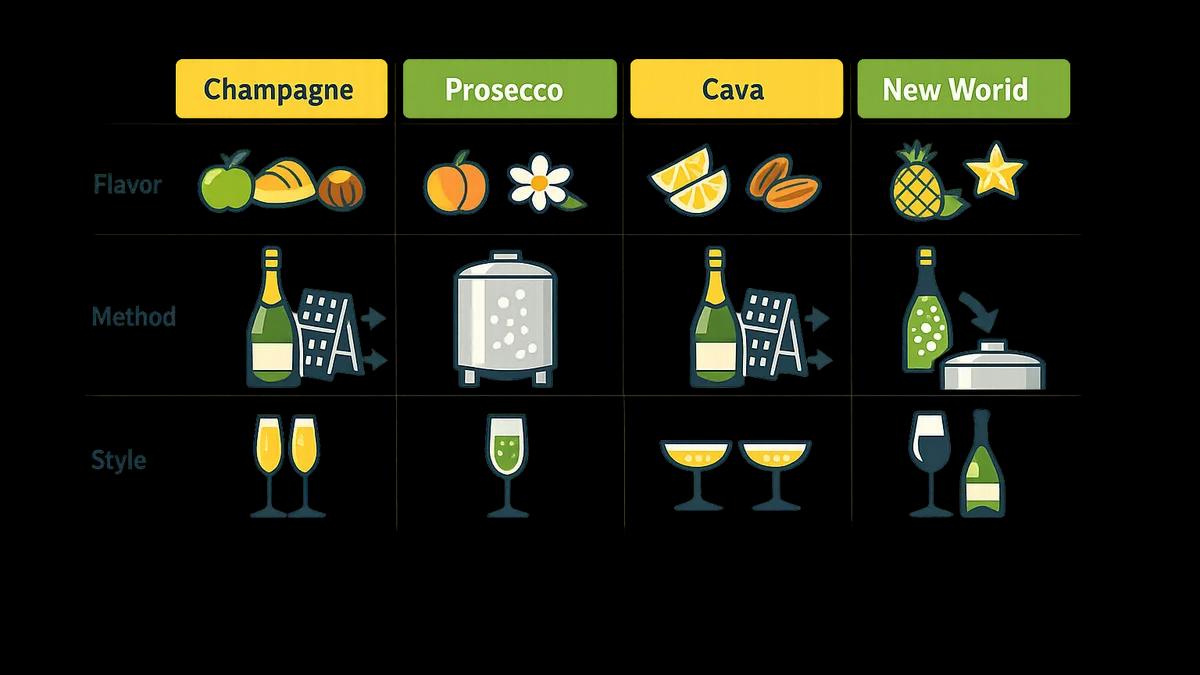
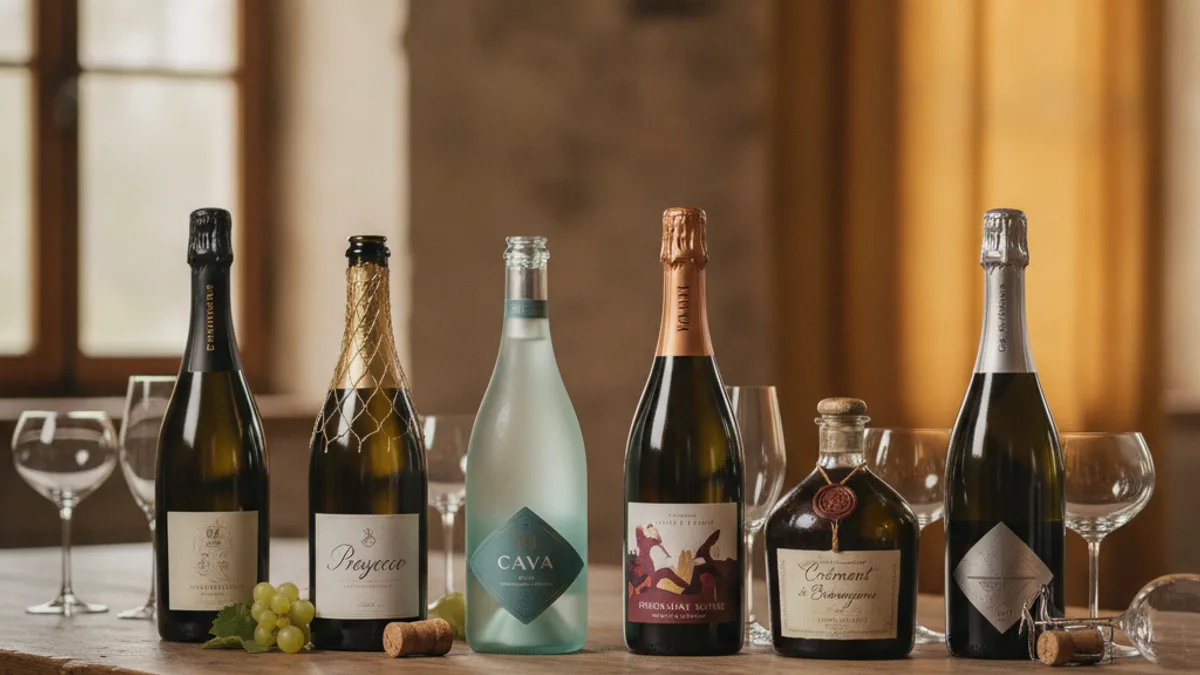
When you're shopping for sparkling wine beyond Champagne, understanding the key features that set different bottles apart makes all the difference. From production methods to regional characteristics, these details shape everything from the bubbles in your glass to the flavors on your palate.
Production Methods That Define Quality
The traditional method—sometimes called Méthode Traditionnelle—is the gold standard for premium sparkling wines worldwide. Producers like Amista Vineyards in Healdsburg use this time-honored technique to create estate sparkling wines that rival their French counterparts. This process involves a second fermentation in the bottle, creating fine, persistent bubbles and complex flavors that develop over time.
What makes this method special is the attention to detail. The wine ages on its lees (spent yeast cells), which adds creamy texture and layers of flavor—think toasted brioche, nuts, and a subtle richness that cheaper methods can't replicate. If you're curious about how these techniques work in practice, The Ultimate Guide to Sparkling Wine Production breaks down the full process.
Regional Character and Terroir
California sparkling wines have carved out their own identity, capturing what producers call the "essence of the native terroir and personality of the California sunshine." Since 1973, wineries like Chandon have been proving that exceptional sparkling wine doesn't need a French postal code—it needs skilled winemaking and great fruit.
The difference you'll taste often comes down to climate and soil. California's warmer growing regions produce riper fruit, leading to sparkling wines that are often more fruit-forward and approachable than their Champagne cousins. Expect flavors of ripe apple, peach, and citrus rather than the more austere, mineral-driven profile typical of Champagne.
Vessel Choices and Flavor Profiles
How a wine is aged matters just as much as where it's grown. Some producers use concrete, stainless steel, and neutral oak to capture the pure essence of their grapes without adding woody flavors. This approach results in wines that are bright and crisp, letting the fruit shine through.
| Vessel Type | Flavor Impact | Best For |
|---|---|---|
| Stainless Steel | Clean, crisp, fruit-forward | Preserving bright acidity |
| Concrete | Textured, mineral notes | Adding complexity without oak |
| Neutral Oak | Subtle roundness | Softening edges gently |
These choices aren't just technical details—they're what give each sparkling wine its personality. A wine aged in stainless will taste noticeably different from one that spent time in concrete, even if they started with the same grapes.
Estate-Grown Versus Blended
Many quality producers work exclusively with estate-grown fruit, meaning the grapes come from vineyards they own and control. This gives winemakers complete oversight of quality from vine to bottle. You'll often find these wines labeled as "estate" sparkling wines, and they tend to express a more focused sense of place.
Blended sparkling wines, on the other hand, might source fruit from multiple vineyards or regions. This isn't necessarily a bad thing—it allows winemakers to create consistent house styles year after year, balancing different vineyard characteristics to achieve a specific flavor profile.
Pros and Cons
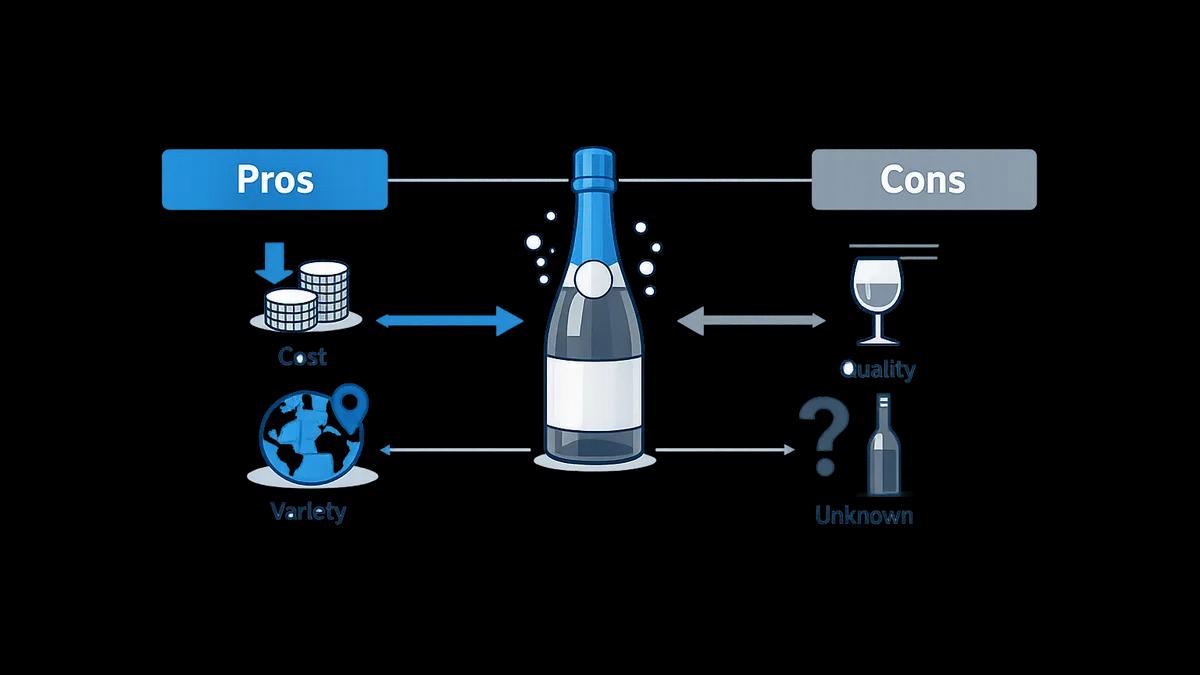
When you're exploring the world of sparkling wines outside the Champagne region, you're opening yourself up to a whole universe of possibilities. But like any wine decision, there are trade-offs worth considering. Let me walk you through what you gain—and what you might give up—when you venture beyond the familiar.
The Upside of Going Beyond Champagne
Value for money is probably the biggest win here. You can find exceptional sparkling wines at a fraction of what you'd pay for a comparable Champagne. We're talking bottles that deliver complexity, elegance, and serious craftsmanship without the prestige markup.
Variety is another huge advantage. Champagne is fantastic, but it's also somewhat predictable in its flavor profile. When you explore alternatives, you get access to different grape varieties, terroirs, and winemaking philosophies. Some producers emphasize sustainable farming and clean winemaking practices, which appeals to environmentally conscious wine lovers who want their purchases to align with their values.
Approachability matters too. Sparkling wines from regions like Sonoma, Prosecco, or Cava often feel less formal than Champagne. They're wines you can pop open on a Tuesday without feeling like you need a special occasion to justify it. The winemaking culture in many of these regions emphasizes community and family connections, making the wines feel more personal and less intimidating.
The Potential Downsides
Prestige and recognition are real factors. Let's be honest—when you bring Champagne to a celebration, people notice. Alternative sparkling wines, no matter how excellent, don't carry that same instant cachet. If you're gifting or hosting an event where perception matters, that's worth considering.
Consistency can be trickier with lesser-known producers. Champagne houses have spent centuries perfecting their blending techniques to maintain a house style year after year. Smaller producers making alternative sparklers might show more vintage variation—which can be exciting if you love exploration, but frustrating if you're looking for reliability.
The best sparkling wine isn't always the most famous one—it's the one that matches your taste, your budget, and the moment you're celebrating.
Availability is another consideration. While Prosecco and Cava are easy to find, more specialized sparkling wines from emerging regions might require hunting through specialty shops or ordering online. That extra effort isn't necessarily a con if you enjoy the treasure hunt, but it's definitely more work than grabbing a bottle at your local store.
Knowledge gaps can make purchasing harder too. Most wine drinkers have at least a basic framework for understanding Champagne quality markers. With alternatives, you're often flying blind unless you've done your homework or have a trusted wine shop to guide you.
The bottom line? Alternative sparkling wines offer incredible value, diversity, and discovery potential. You'll trade some prestige and predictability, but for most everyday drinking and even many special occasions, that's a trade worth making. If you're curious about how these wines are actually made, check out The Ultimate Guide to Sparkling Wine Production: Your Go-To Resource for the technical details behind the bubbles.
Detailed Analysis
When you start exploring sparkling wine beyond Champagne, you quickly realize just how much diversity exists in the bubbly world. Different regions bring their own grapes, techniques, and terroir to the table, creating bottles that range from bone-dry and mineral-driven to fruit-forward and approachable. Understanding what sets these wines apart helps you build a collection that reflects your taste and keeps things interesting.
Regional Styles Worth Exploring
While Champagne gets most of the spotlight, regions like Prosecco in Italy, Cava in Spain, and sparkling wines from California and beyond offer distinct flavor profiles at a variety of price points. Italian Prosecco, made primarily from Glera grapes, tends to be lighter and fruitier with notes of pear, apple, and white flowers. Spanish Cava, produced using the traditional method like Champagne but with indigenous grapes such as Macabeo, Xarel·lo, and Parellada, delivers more complexity and earthiness. California sparkling wines often mirror Champagne's structure but with riper fruit character, thanks to the warmer climate.
What's exciting is that many producers are pushing boundaries. Harvest Moon Estate & Winery, for example, produces over 10 house-produced sparkling wines, showcasing a variety of styles that go well beyond the typical Champagne template. This kind of variety means you can explore different expressions of bubbles without leaving a single winery.
Production Methods and Their Impact
The method used to create the bubbles matters just as much as the region. Traditional method sparkling wines (Méthode Champenoise or Méthode Traditionnelle) undergo secondary fermentation in the bottle, creating fine, persistent bubbles and complex flavors from extended lees aging. Prosecco, on the other hand, uses the Charmat method, where secondary fermentation happens in large tanks, preserving fresh, fruity aromatics and producing softer bubbles.
Understanding these techniques helps you predict what's in the glass before you even pop the cork. A traditional method Cava will have more in common with Champagne than with Prosecco, even though all three are sparkling wines.
Sparkling Wine Beyond Champagne in Wine Country
If you're visiting wine regions like Sonoma or Napa, you'll find tasting rooms dedicated entirely to sparkling wine exploration. The Ultimate Guide to Sparkling Wine Production: Your Go-To Resource offers deeper insights into how these wines are made. Places like Healdsburg Bubble Bar showcase sparkling wines from around the globe, offering a curated, global perspective on bubbles in a Parisian-chic setting. This kind of venue makes it easy to compare styles side-by-side and discover what resonates with your palate.
Grapes That Define the Category
Beyond the classic Champagne trio of Chardonnay, Pinot Noir, and Pinot Meunier, sparkling wines around the world use a wide range of grapes. Glera dominates Prosecco, while Cava relies on Macabeo and its companions. In California, you'll find everything from Pinot Noir-based sparklers to more adventurous bottlings made from Gewürztraminer or even Zinfandel. Each grape brings its own personality—Chardonnay adds elegance and citrus, Pinot Noir contributes body and red fruit, and indigenous varieties like Xarel·lo offer unique minerality and structure.
The grape variety shapes the wine's character just as much as the region or method—understanding what you like in still wine can guide your sparkling wine choices.
What to Look for on the Label
When you're shopping, the label tells you a lot. Look for terms like "Brut," "Extra Brut," or "Brut Nature" if you prefer drier styles, and "Demi-Sec" or "Doux" if you want something sweeter. The production method is often listed—"Méthode Traditionnelle," "Metodo Classico," or "Charmat" give you clues about texture and complexity. Vintage-dated bottles indicate the grapes came from a single year, often signaling higher quality and more expressive character.
Pay attention to the region and producer as well. Smaller estates and family-run wineries often produce limited-quantity bottles with more personality than mass-market brands. If you're exploring Wine Country, don't skip the lesser-known producers—they're often where you'll find the most interesting discoveries.
Who Is It For?
Sparkling wines beyond Champagne aren't just for connoisseurs — they're for anyone who loves great wine and wants to explore without breaking the bank. If you're curious about what makes bubbles from different regions special, or you're tired of paying premium prices for the Champagne name alone, this category is your playground.
Wine Lovers Ready to Expand Their Horizons
If you've been drinking Champagne for celebrations but want to discover new flavor profiles, sparkling wines from Prosecco, Cava, and emerging regions offer exciting alternatives. These bottles bring unique expressions tied to their place of origin — think crisp Italian whites, structured Spanish sparklers, or even small-lot domestic bubbles that showcase local terroir. You don't need a sommelier certificate to appreciate the differences; you just need an open mind and a willingness to taste beyond the familiar label.
Budget-Conscious Celebrators
Let's be honest: Champagne prices can make even special occasions feel like a financial commitment. Sparkling wines from other regions deliver quality and complexity at friendlier price points, making them perfect for regular enjoyment rather than once-a-year splurges. Whether you're hosting a dinner party, toasting a promotion, or just want bubbles with brunch, these wines let you celebrate without the guilt.
Food and Wine Pairing Enthusiasts
If you love matching wine to meals, sparkling wines beyond Champagne open up a world of pairing possibilities. Lighter, fruitier styles complement appetizers and seafood, while richer, more complex bottles stand up to heartier dishes. The versatility of these wines means you can experiment with wine pairings across cuisines — from sushi to fried chicken to creamy pasta — without worrying about overpowering or underwhelming your food.
Social Gatherings and Family-Centered Occasions
The winemaking philosophy behind many of these producers emphasizes community and shared experiences. These aren't stuffy bottles meant for silent contemplation — they're wines designed to be enjoyed with friends and family, around tables filled with good food and conversation. If you value wines that bring people together rather than impress with prestige alone, you'll find kindred spirits in the producers crafting these bubbles.
Adventurous Tasters Seeking Hidden Gems
For those who get a thrill from discovering underrated bottles before they hit the mainstream, exploring lesser-known sparkling wine regions is pure gold. Small-production sparklers from unexpected places often deliver incredible quality because the winemakers aren't resting on regional reputation — they're working hard to prove themselves. You might find your new favorite bottle from a producer no one else at your dinner party has heard of yet.
Pricing
One of the best parts about exploring Sparkling Wine Beyond Champagne is how much more affordable it can be. While Champagne often starts around $40–$50 for entry-level bottles and climbs quickly from there, you'll find excellent sparkling wines from other regions at a fraction of the cost. Cava, Prosecco, and many domestic sparkling wines offer quality bubbles in the $12–$25 range, making them perfect for everyday celebrations or casual entertaining.
What to Expect at Different Price Points
In the $12–$20 range, you'll find solid everyday sparklers—Prosecco from Italy, Cava from Spain, and approachable domestic options. These wines are great for mimosas, aperitifs, or pairing with lighter fare. Move up to the $20–$35 bracket, and you'll discover more complexity: traditional-method sparkling wines with longer aging, single-vineyard expressions, and small-production bottles that rival Champagne in quality. Above $35, you're entering premium territory where producers like Harvest Moon Estate & Winery offer hand-crafted sparkling wines with 10+ house-produced options, each reflecting meticulous winemaking and sustainable farming practices.
Shopping Smart for Quality
Don't assume higher price always means better wine. Some of the best values come from lesser-known regions or producers who focus on quality over marketing. Look for wineries that offer tasting experiences—whether hosted or un-hosted—so you can sample before committing to a full bottle. Small-lot producers often provide exceptional character and craftsmanship at prices well below Champagne, especially when they control their vineyards and production from grape to glass.
Another smart move: buy by the case when you find something you love. Many wineries and retailers offer 10–15% discounts on case purchases, bringing your per-bottle cost down significantly. And remember, sparkling wine doesn't have to be reserved for special occasions—at these price points, you can afford to pop a cork on a Tuesday.
Alternatives
If you're ready to step outside the Champagne bubble, you'll find some seriously impressive producers crafting world-class sparkling wines right here in California wine country. These alternatives don't just mimic Champagne—they bring their own personality, terroir, and sunshine-soaked character to the glass.
California Sparkling Wine Estates Worth Exploring
Chandon has been crafting exceptional sparkling wine since 1973, capturing the essence of California terroir with crisp, refreshing bottles made in the traditional method. Nestled in Yountville, this Napa Valley producer offers a range of sparkling wines that showcase what happens when French technique meets California grapes. Their Director of Winemaking, Pauline Lhote, creates luscious sparklers that feel both classic and distinctly Californian.
Up in Healdsburg's Dry Creek Valley, Amista Vineyards has carved out a niche as a dedicated sparkling wine estate. They produce estate sparkling wines using the Méthode Traditionnelle from their certified organic vineyard. What sets them apart is their commitment to bright, crisp wines produced in concrete, stainless steel, and neutral oak—techniques that let the estate grapes shine. The solar-powered tasting room sits right among the vines, offering mountain views and a laid-back atmosphere that embodies their "making friends" philosophy.
For those interested in exploring beyond sparkling wines, estates like Croix focus on single-vineyard, terroir-driven wines including Chardonnay and Pinot Noir—the same grapes that form the backbone of many premium sparkling wines. Understanding these still wine expressions can deepen your appreciation for how the same varieties transform into bubbles.
What Makes These Alternatives Stand Out
These California producers aren't trying to copy Champagne—they're writing their own story. The warmer climate creates riper fruit flavors, the American oak influence (when used) adds a different texture, and the innovative spirit of California winemaking means you'll encounter creative blends and techniques you won't find in traditional Champagne houses. If you're planning a visit to taste these wines in person, check out our guide on things to do in Napa Valley to make the most of your wine country experience.
The beauty of exploring alternatives is discovering that "different" doesn't mean "lesser." These wines offer exceptional quality at various price points, often delivering more approachable fruit flavors and immediate pleasure than their French counterparts. Whether you're hosting a celebration or just want something special for a Tuesday night, California sparkling wines deliver the goods.
Final Verdict
Sparkling Wine Beyond Champagne opens up a world of discovery that's been waiting for you all along. From the crisp, mineral-driven Cavas of Spain to the fruit-forward Proseccos of Italy, the elegant complexity of Crémant, and the bold expressions of New World sparklers, there's a universe of bubbles out there that deserves your attention—and your glass.
The beauty of exploring sparkling wines beyond Champagne isn't just about finding budget-friendly alternatives (though that's certainly a perk). It's about discovering styles that speak to your palate in ways Champagne might not. Maybe you prefer the softer, fruitier profile of Prosecco for weekend brunches, or the structured elegance of Franciacorta for special dinners. Perhaps you're drawn to the terroir-driven character of American sparkling wines or the refreshing simplicity of a well-made Cava. Each style brings something unique to the table, and the only way to find your favorites is to start tasting.
What I've learned over the years is that the best sparkling wine isn't always the most expensive or the most famous—it's the one that makes you pause, smile, and want another sip. Whether you're building a collection, planning a celebration, or simply want to elevate your Tuesday evening, the diversity of sparkling wines means there's always something new to explore. The venues dedicated to this category, like those offering vast arrays of quality Champagne and sparkling wines, understand that education and enjoyment go hand in hand.
The best sparkling wine is the one that makes you pause, smile, and want another sip—not necessarily the most expensive bottle on the shelf.
Don't let intimidation hold you back. Start with styles that align with your existing wine preferences, experiment with different price points, and pay attention to what you actually enjoy rather than what you think you should enjoy. Visit tasting rooms, ask questions, and remember that every wine professional started exactly where you are now—curious and ready to learn.
For those ready to dive deeper into the production methods that create these diverse styles, The Ultimate Guide to Sparkling Wine Production offers comprehensive insights into how different techniques shape the wines in your glass. Understanding the "how" can deepen your appreciation for the "what."
The world of sparkling wine is vast, welcoming, and endlessly fascinating. You've got the knowledge, the confidence, and the roadmap. Now it's time to pop some corks, explore new regions, and discover your own favorites beyond Champagne. Trust your palate, enjoy the journey, and remember—every bottle is an opportunity to learn something new. Cheers to your sparkling wine adventure.
Explore sparkling wine beyond Champagne with this buyer's guide, featuring tips on flavors, styles, and what to look for when purchasing.
Table of Contents
- Introduction — Introduce the topic of sparkling wines that are not Champagne, highlighting their unique qualities and the reasons to explore them.
- Quick Verdict — Provide a concise summary of the key points and overall recommendation for exploring sparkling wines beyond Champagne.
- Key Features — Outline the main characteristics that differentiate sparkling wines from various regions, discussing aspects like flavor profiles, production methods, and styles.
- Pros and Cons — Evaluate the advantages and disadvantages of choosing sparkling wines other than Champagne, helping buyers make informed decisions.
- Detailed Analysis — Dive deep into notable sparkling wine regions and varieties, exploring their unique attributes and why they deserve a place in your wine collection.
- Who Is It For? — Identify the types of wine enthusiasts and occasions that would benefit from exploring sparkling wines beyond Champagne.
- Pricing — Discuss the price range of sparkling wines outside of Champagne, including tips on what to expect when shopping for quality options.
- Alternatives — Recommend specific sparkling wine brands and types that serve as excellent alternatives to Champagne.
- Final Verdict — Summarize the insights gained from the article and encourage readers to explore the diverse world of sparkling wines.
- Table of Contents