How to Fly Home With Wine Without Breakage
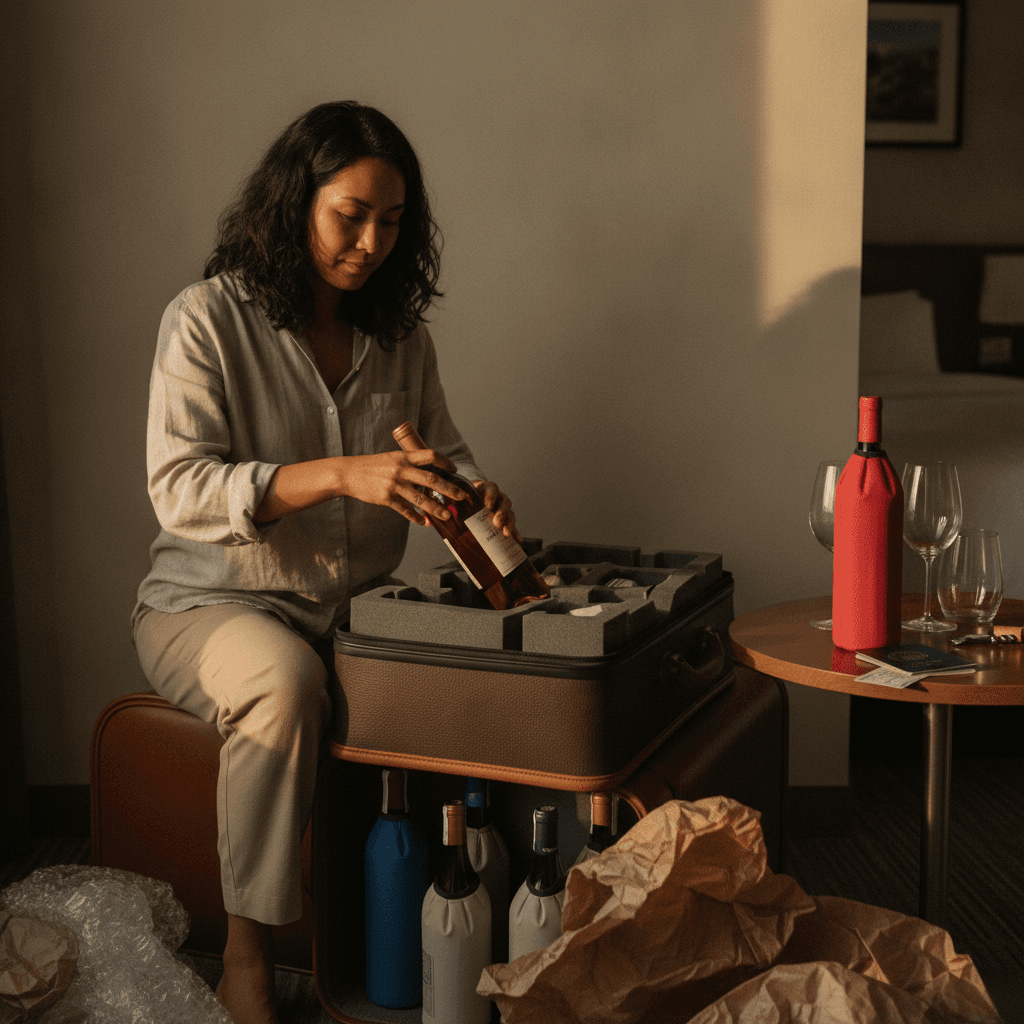
Introduction
When you fly home with wine from a vineyard visit or tasting event, protecting those bottles becomes your top priority. After years of visiting wine regions and helping travelers navigate their purchases, I've seen every packing disaster imaginable—and learned what actually works to get bottles home safely.
The challenge isn't just about getting your wine from point A to point B. It's about protecting those carefully selected bottles through security checks, baggage handlers, and the general chaos of air travel. One broken bottle can ruin an entire suitcase of belongings and turn your wine country memories sour.
Whether you've spent the afternoon exploring things to do in Napa Valley or picked up bottles at your favorite local winery, the question remains the same: how do you transport wine home without breakage?
The good news? With the right approach and materials, flying with wine is completely manageable. You don't need expensive shipping services or specialized luggage. What you need is a solid strategy, some basic supplies, and a clear understanding of what works (and what doesn't) when your suitcase is being tossed around at 30,000 feet.
In this guide, I'll walk you through everything you need to know to transport your wine safely, from choosing the right packing materials to understanding airline rules that could affect your travel plans. These aren't theoretical tips—they're battle-tested methods that have protected countless bottles on flights across the country and around the world.
Table of Contents
- Problem Statement
- Solution Steps to Safely Fly with Wine
- Tips and Tricks for Flying with Wine
- FAQ
- Conclusion
- Sources
What Challenges Do You Face When You Fly Home with Wine?
You've just spent an amazing weekend tasting your way through wine country, and now you're staring at a collection of bottles you absolutely need to bring home. The problem? Getting them there in one piece. Flying with wine isn't as simple as tossing a few bottles in your suitcase and hoping for the best—trust me, I've seen too many heartbreaking baggage claim disasters to recommend that approach.
The Real Risks of Flying With Wine
The biggest challenge when you fly with wine home is breakage. Airline baggage handlers aren't exactly gentle with luggage, and a glass bottle of your favorite Cabernet doesn't stand much of a chance when it's sandwiched between heavy bags on a conveyor belt. One crack in the glass, and you're looking at a suitcase full of wine-soaked clothes and a total loss of that special bottle you carefully selected.
Beyond breakage, there's the confusion around airline regulations. Different carriers have different rules about how much liquid you can pack, whether wine counts toward your checked baggage weight limit, and what happens if TSA decides to inspect your carefully wrapped bottles. The regulations aren't always clear, and showing up at the airport unprepared can mean leaving your wine behind or paying hefty overweight baggage fees.
Why Standard Packing Fails
Most travelers make the mistake of wrapping bottles in clothing and calling it good enough. While a sweater provides some cushioning, it's rarely sufficient protection against the impact and pressure changes that happen during a flight. Bottles need structured support and proper sealing to survive the journey, especially if you're checking multiple bottles or traveling through connecting flights where your bag gets handled repeatedly.
Temperature fluctuations in cargo holds can also affect wine quality, though breakage remains the primary concern. Without the right packing strategy, you're essentially gambling with bottles that might have cost you serious money—or worse, bottles with sentimental value from a memorable tasting experience at a beautiful Napa Valley venue.
The good news? These problems are completely avoidable when you know the right techniques and follow a few essential safety steps.
How to Fly Home with Wine: Step-by-Step Packing Guide
Getting your wine home in one piece doesn't require a degree in logistics—just a solid game plan and the right materials. Whether you're checking bottles or trying to squeeze them into a carry-on, these steps will help you protect your precious cargo from gate to doorstep.
Step 1: Choose Your Transport Method
Before you even think about bubble wrap, decide whether you're checking your wine or carrying it on. Checked luggage is almost always the safer bet for multiple bottles—you'll have more space, fewer liquid restrictions, and less scrutiny at security. Carry-on works for one or two bottles if you're flying domestically and the bottles are under the TSA liquid limit (which, spoiler: a standard 750ml bottle isn't). If you're going international, checked is your only real option.
Step 1
Decide: Checked vs. Carry-On
For most travelers, checked luggage offers the best combination of space and protection. Carry-on is only viable for small bottles or domestic flights where you can purchase wine post-security. Always verify your airline's specific alcohol policies before packing.
Step 2: Gather Protective Materials
You'll need more than a prayer and a beach towel. Start with inflatable wine protectors or heavy-duty bubble wrap—at least two layers around each bottle. Zip-seal plastic bags are non-negotiable; even if your bottle doesn't break, pressure changes can pop corks or loosen caps. Grab packing tape, and if you're checking a hard-shell suitcase, you're already ahead of the game. Soft-sided bags work, but you'll want to nest your bottles in the center, surrounded by clothing.
Step 3: Wrap Each Bottle Individually
This is where most people get lazy, and it costs them. Wrap each bottle separately, starting with a plastic bag, then bubble wrap or an inflatable sleeve, then another layer of protection if you have it. Tape everything securely so it doesn't shift mid-flight. If you're using clothing as padding (shirts, socks, sweaters), wrap the bottle first in plastic, then nestle it inside the fabric. Never let two bottles touch each other directly—they'll rattle against each other and one will lose.
Step 2
Wrap and Seal Each Bottle
Place each bottle in a zip-seal bag first, then wrap with bubble wrap or an inflatable protector. Secure with packing tape. If using clothing, wrap the protected bottle inside soft garments, ensuring no glass-to-glass contact.
Step 4: Pack Strategically in Your Luggage
Center your bottles in the middle of your suitcase, away from corners and edges where impact is highest. Surround them with soft items—rolled clothing works better than folded because it cushions without leaving gaps. If you're packing multiple bottles, separate them with layers of fabric. Hard-shell suitcases offer better crush protection, but soft-sided bags can work if you pack tightly enough that nothing shifts. Fill every void; movement is the enemy.
The best-packed bottle is the one that can't move an inch, no matter how rough the baggage handlers get.
Step 5: Label and Prepare for Inspection
If you're checking wine, don't lock your suitcase with anything TSA can't open—they will cut it off if they need to inspect. Consider a "Fragile" or "This Side Up" sticker, though it's no guarantee of gentle handling. Keep a copy of the shipping receipt or purchase confirmation in your bag in case customs or TSA asks questions. If you're bringing back wine from Napa Valley events or tastings, having proof of purchase can smooth things over at inspection.
Step 6: Consider Professional Shipping as Backup
Sometimes the smartest move is not to fly with your wine at all. Many wineries and wine events offer shipping services—some even provide exclusive event rates that make it cheaper than checked baggage fees and far less risky. If you've invested in high-end or rare bottles, the cost of professional shipping is a small price for peace of mind. You'll avoid the hassle, the weight limits, and the anxiety of waiting at baggage claim.
Tips and Tricks for Flying with Wine
Beyond the basics of bubble wrap and checked bags, there are some insider strategies that can make flying home with wine a lot less stressful. These tips come from years of watching travelers navigate airport security, TSA rules, and the occasional baggage handler who treats luggage like a shot put.
Choose Your Bottles Wisely Before You Fly
Not all wines are created equal when it comes to travel. If you're selecting bottles at a winery, think about weight and fragility. Lighter bottles are easier to pack and less likely to cause overage fees. Sparkling wines and older vintages with delicate corks are riskier—save those for shipping services instead. When you're exploring tasting experiences in Napa, ask the tasting room staff if they offer shipping; many wineries will send your purchases directly home, eliminating the risk entirely.
Pack Heavier Bottles at the Bottom
When you're loading your suitcase, physics matters. Place your heaviest bottles at the bottom, closest to the wheels if you're using a rolling bag. This keeps the center of gravity low and reduces the chance of your bag tipping over during handling. Surround each bottle with soft items—socks, sweaters, or even dirty laundry work perfectly as cushioning.
Use Wine Skins or Inflatable Sleeves for Extra Protection
Wine skins are reusable plastic sleeves that create a sealed barrier around each bottle. If a bottle breaks, the liquid stays contained inside the skin instead of soaking your entire suitcase. Inflatable wine sleeves add an extra layer of cushioning and are lightweight enough that they won't add much to your baggage weight. Both options are inexpensive and reusable, making them a smart investment if you travel to wine country regularly.
The best packing strategy is the one that lets you hand your bag to TSA without holding your breath.
Double-Check Airline and TSA Limits Before You Pack
Each airline has its own rules about alcohol in checked baggage, and TSA has strict limits on alcohol content. Wines under 24% ABV (which covers nearly all table wines) are allowed in checked bags with no quantity limit, but bottles over 70% ABV are prohibited entirely. Check your airline's weight limits for checked bags—wine is heavy, and even a few bottles can push you over the 50-pound standard limit, triggering overage fees that can cost more than the wine itself.
Keep a Packing List and Take Photos
Before you close your suitcase, snap a quick photo of your packed bottles. If something breaks or goes missing, you'll have a visual record for insurance claims or airline baggage services. Keep a list of the wines you're carrying, including the winery name and approximate value. It's a small step that can save a lot of hassle if things go sideways at baggage claim.
Frequently asked questions
Can you fly home with wine in checked luggage?
Yes, you can fly home with wine in checked luggage. TSA allows wine bottles in checked bags with no quantity limit, as long as the alcohol content is below 70% ABV (which covers all standard table wines). Pack bottles in protective materials like bubble wrap or wine skins, place them in zip-seal bags, and center them in your suitcase surrounded by soft clothing to prevent breakage.
How many bottles of wine can you bring on a plane?
There is no federal limit on the number of wine bottles you can pack in checked luggage for domestic flights. However, airlines impose weight restrictions (typically 50 pounds per bag), and wine is heavy—expect 6-8 bottles to approach that limit. For international travel, customs regulations may restrict the number of duty-free bottles you can bring into the destination country, often 1-2 liters per person.
What is the best way to pack wine bottles for air travel?
The best way to fly home with wine safely is to wrap each bottle individually in a zip-seal plastic bag, then surround it with bubble wrap or an inflatable wine protector. Place wrapped bottles in the center of a hard-shell suitcase, surrounded by rolled clothing for cushioning. Never let bottles touch each other directly, and fill all empty spaces to prevent shifting during transit.
Can you bring wine in carry-on luggage?
You cannot bring standard 750ml wine bottles in carry-on luggage due to TSA's 3.4-ounce (100ml) liquid restriction. The only exception is wine purchased after passing through airport security, which can be carried on in a sealed, tamper-evident bag provided by the duty-free shop. For most travelers, checked luggage is the only practical option to fly home with wine.
Do airlines charge extra fees for flying with wine?
Airlines do not charge specific fees for wine itself, but bottles count toward your checked baggage weight allowance. Since wine is heavy (a standard bottle weighs about 3 pounds), multiple bottles can quickly push your bag over the 50-pound limit, triggering overweight baggage fees of $50-$200 depending on the carrier. Weigh your packed bag before heading to the airport to avoid surprises.
Is it better to ship wine or fly with it?
Shipping wine through a winery or specialized wine shipper eliminates breakage risk and weight restrictions, making it ideal for high-value bottles or large quantities. However, shipping costs $20-$40 per case plus state taxes, while flying home with wine only costs your checked bag fee (if you don't already have a free allowance). For 1-6 bottles of moderately priced wine, flying is usually more economical; for expensive or fragile bottles, shipping provides better protection.
Conclusion
Flying home with wine doesn't have to be stressful or risky. With the right packing materials—bubble wrap, wine skins, or specialized shipping boxes—and a little planning, you can protect your bottles from breakage and bring home those special finds from your wine country adventures. Whether you're checking your wine in sturdy luggage or shipping it directly to your door, the key is cushioning every bottle individually and staying within airline liquid limits.
I've flown home with wine from countless trips to Napa, Sonoma, and beyond, and the bottles that survived were always the ones I took an extra five minutes to wrap properly. The investment in a few wine skins or a padded shipper pays for itself the first time you avoid a suitcase full of broken glass and ruined clothes. Remember to check your airline's specific policies before you pack, keep your receipts handy for customs, and always place bottles in the center of your bag surrounded by soft items.
Now that you know how to fly home with wine without breakage, you can focus on what really matters—enjoying those wines with friends and family back home. If you're planning your next wine country getaway, check out our guide to things to do in Napa Valley to discover even more bottles worth bringing home. Safe travels, and cheers to getting your treasures home in one piece!