Napa Wineries: Best Wineries in Napa Valley: Your Complete Guide
Discover the best wineries in Napa Valley, including Napa wineries, with our guide to planning your visit and making the most of your wine tasting experience.
Introduction
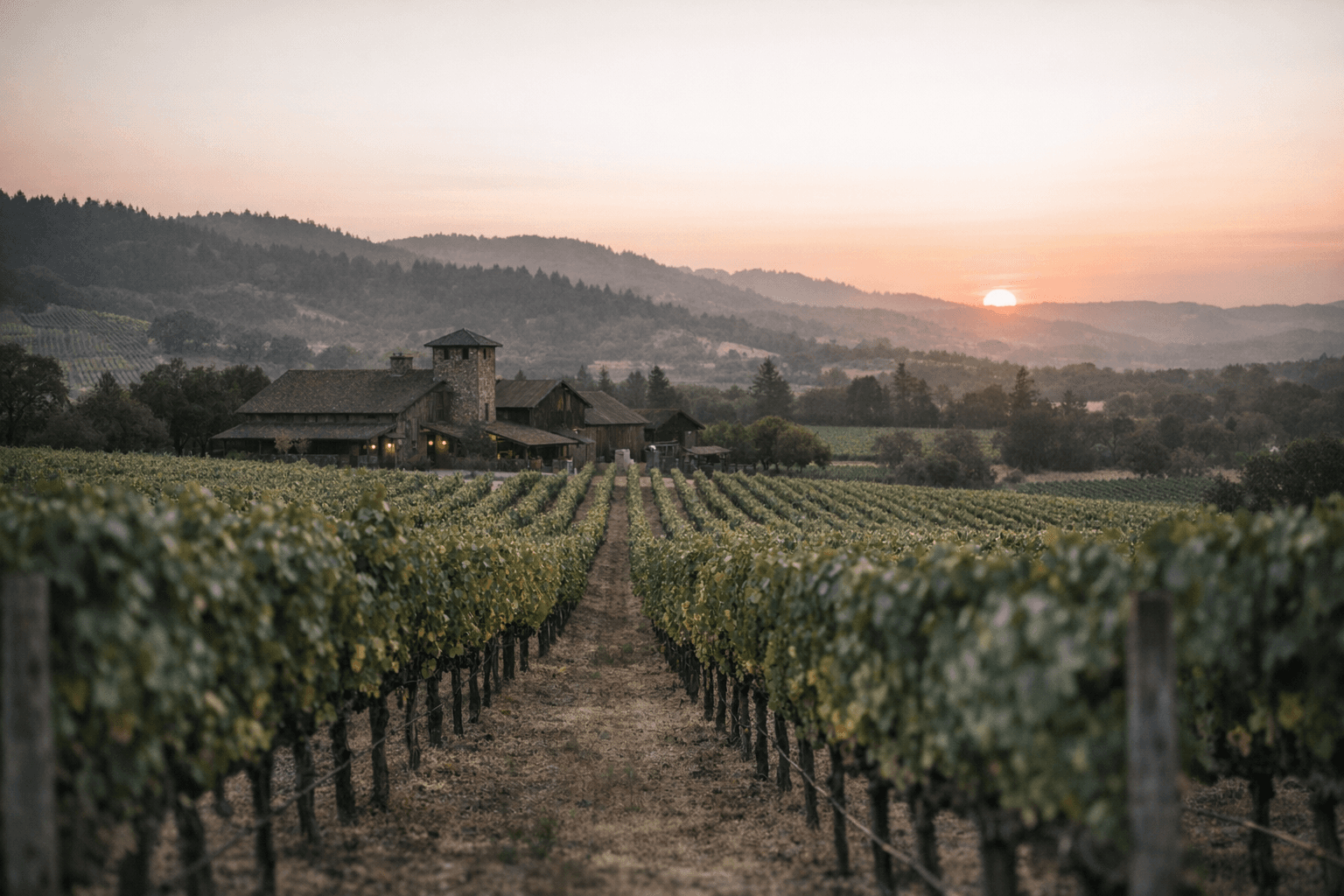
Napa Valley isn't just a destination—it's a pilgrimage for anyone who loves wine. With over 400 wineries tucked into just 30 miles of rolling hills, this legendary region has earned its reputation as one of the world's premier wine destinations. Whether you're drawn to bold Cabernet Sauvignons, elegant Chardonnays, or something more unexpected, Napa's winemakers have been perfecting their craft for generations.
But here's the thing: not all wineries are created equal, and not every tasting room will match what you're looking for. Some offer intimate, appointment-only experiences where you'll meet the winemaker. Others welcome walk-ins to sprawling estates with stunning architecture and breathtaking vineyard views. I've spent years exploring these hillsides, and I can tell you that the best visits happen when you know what you want before you arrive.
The magic of Napa Valley lies not just in the wine, but in finding the wineries that speak to your personal taste and travel style.
This guide will walk you through everything you need to plan a memorable trip to the best wineries in Napa Valley. You'll learn how to choose wineries that align with your preferences, what to expect during tastings, and insider tips that'll help you make the most of every pour. Whether this is your first visit or your tenth, you're about to discover why Napa continues to captivate wine lovers from around the world.
Why Choosing the Right Wineries Matters
Napa Valley is home to over 400 wineries spread across 30 miles of valley floor and hillsides. That's a lot of ground to cover, and if you're planning a visit, you've probably already realized you can't see them all. The question isn't whether to visit Napa—it's which wineries deserve your limited time.
Choosing the wrong wineries can turn what should be a memorable experience into a frustrating one. Maybe you end up at a crowded tasting room where you're rushed through five wines in 15 minutes. Or you book a winery that specializes in Pinot Noir when you really wanted to explore Cabernet Sauvignon. The wrong fit means wasted time, wasted money, and missed opportunities to discover wines you'll actually love.
The Challenge of Too Many Options
The sheer number of choices creates decision paralysis. Some wineries require reservations months in advance. Others welcome walk-ins but might not offer the experience you're imagining. Historic estates like those that put Napa on the map offer one kind of visit, while boutique producers offer something entirely different.
Then there's the question of what you're actually looking for. Are you after iconic wines with serious collecting potential, or approachable bottles you can enjoy next weekend? Do you want sweeping vineyard views, or are you more interested in the winemaking process? Each winery has its own personality, and matching that to your preferences makes all the difference.
What's at Stake
When you pick the right wineries, everything clicks. You taste wines that genuinely excite you. The staff takes time to share stories about the vineyard and the vintage. You leave with bottles you're proud to bring home and memories that make you want to come back.
The best winery visits aren't just about the wine—they're about finding places where the experience matches what you were hoping to discover.
Get it wrong, though, and you're left wondering what all the fuss was about. You might spend your day in tasting rooms that feel more like retail transactions than genuine hospitality. Or you could miss out on discovering a small producer whose wines would have become your new favorites, simply because you didn't know they existed.
The good news? With a little planning and the right information, you can cut through the noise and focus on the best views at Napa Valley and Sonoma wineries and experiences that align with what you actually want from your visit. That's what the rest of this guide is here to help you do.
Steps to Plan Your Visit to the Best Wineries in Napa Valley
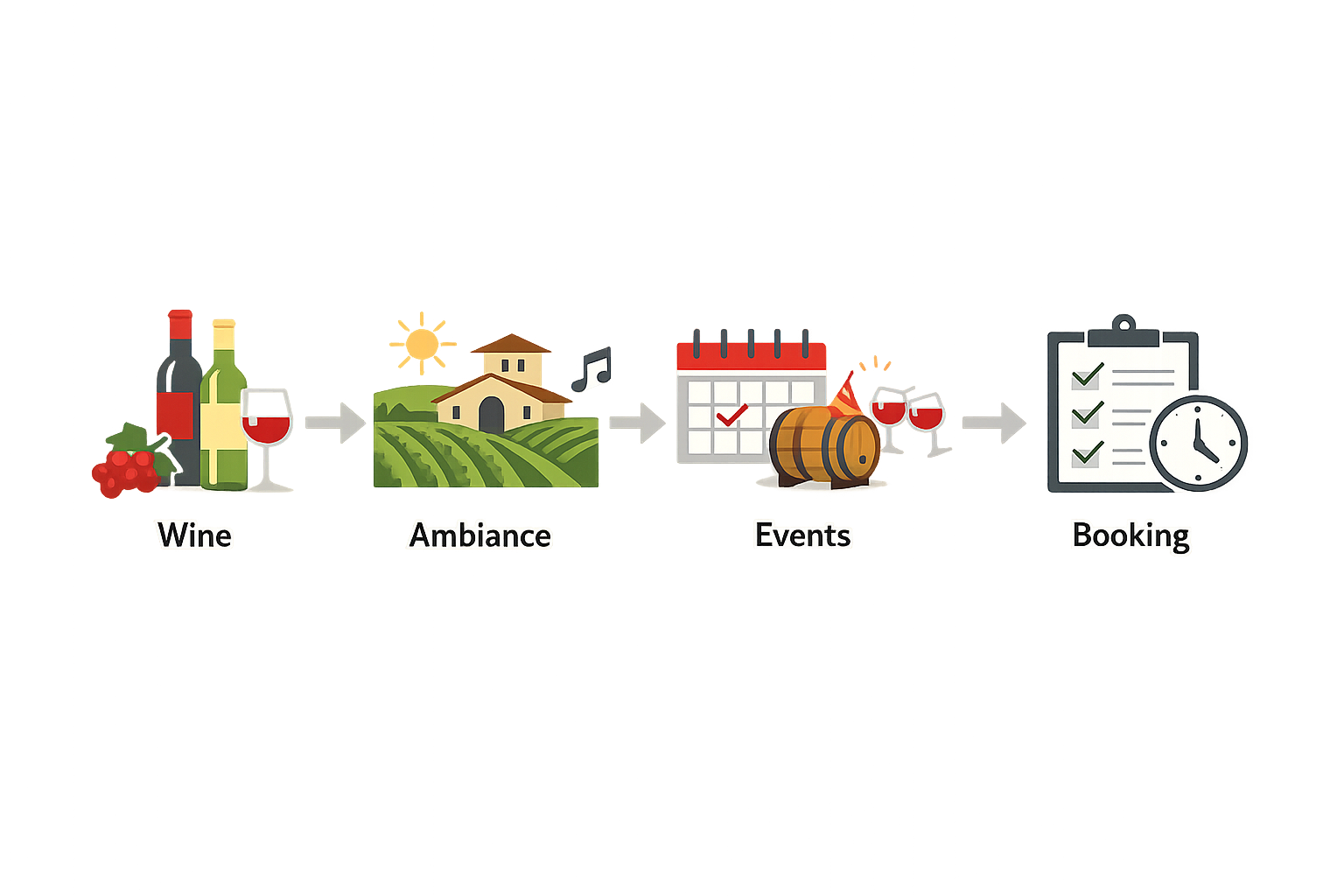
Planning your Napa Valley winery visits doesn't have to feel overwhelming. With a little strategy and some insider knowledge, you can create an itinerary that balances must-see estates with hidden gems, all while keeping your palate fresh and your schedule manageable.
Decide How Many Days You'll Spend
The first step is realistic time planning. Trying to cram too many wineries into a single day is the fastest way to end up exhausted and unable to appreciate the wines you're tasting.
Step 1
Map out your timeline
For a well-rounded experience, plan to visit three to four wineries per day. This pace allows you to savor each tasting, enjoy the ambiance, and include a proper lunch break without feeling rushed. If you're a first-time visitor, consider splitting your visits across two days to really soak in the valley's character.
Choose Wineries Based on Your Wine Preferences
Napa Valley produces everything from crisp Chardonnays to bold Cabernets, so think about what styles excite you most. Are you a red wine devotee? Look for estates known for their Cabernet Sauvignon and Bordeaux blends. Prefer bubbles? Seek out sparkling wine specialists.
Consider mixing iconic names with smaller, family-run operations. The big estates offer polished experiences and impressive architecture, while boutique wineries often provide more intimate tastings and the chance to meet the winemakers themselves. For more guidance on wine styles, check out Understanding Red Wine: From Light to Full-Bodied.
Book Your Tastings in Advance
Step 2
Make reservations early
Most Napa Valley wineries now require advance reservations, especially on weekends and during harvest season. Book your tastings at least two to three weeks ahead to secure your preferred time slots. This also gives you a framework to build your day around.
When booking, ask about the types of tastings offered. Some wineries provide seated experiences with food pairings, while others offer walk-through barrel tastings or vineyard tours. Match the experience type to what you're hoping to get out of each stop.
Plan for Transportation
Never underestimate the importance of safe, reliable transportation. Wine tasting and driving don't mix, so arrange your transport before you arrive.
Your options include:
- Hiring a private driver or joining a small group tour
- Using ride-share services between wineries
- Renting bikes for a leisurely ride through vineyard country
- Staying at a hotel within walking distance of tasting rooms in towns like Yountville or St. Helena
Build in Flexibility and Downtime
Step 3
Leave room to breathe
Don't pack your schedule so tightly that you can't linger when you discover a wine you love or a view that takes your breath away. Build in buffer time between appointments and plan for a leisurely lunch at one of the valley's excellent restaurants.
Some of my most memorable wine country moments have been the unplanned ones—chatting with a winemaker who happened to be in the tasting room, or discovering a picnic spot with vineyard views that made me want to stay for hours.
Research Special Events and Seasonal Offerings
Many wineries host special events throughout the year, from harvest celebrations to wine-and-food pairing dinners. Check winery websites or call ahead to see if any events align with your visit dates. These experiences can add an extra layer of magic to your trip.
Seasonal considerations matter too. Spring brings mustard blooms between the vines, summer offers warm evenings perfect for outdoor tastings, fall delivers harvest energy, and winter provides a quieter, more intimate atmosphere.
Tips and Tricks for an Unforgettable Winery Experience
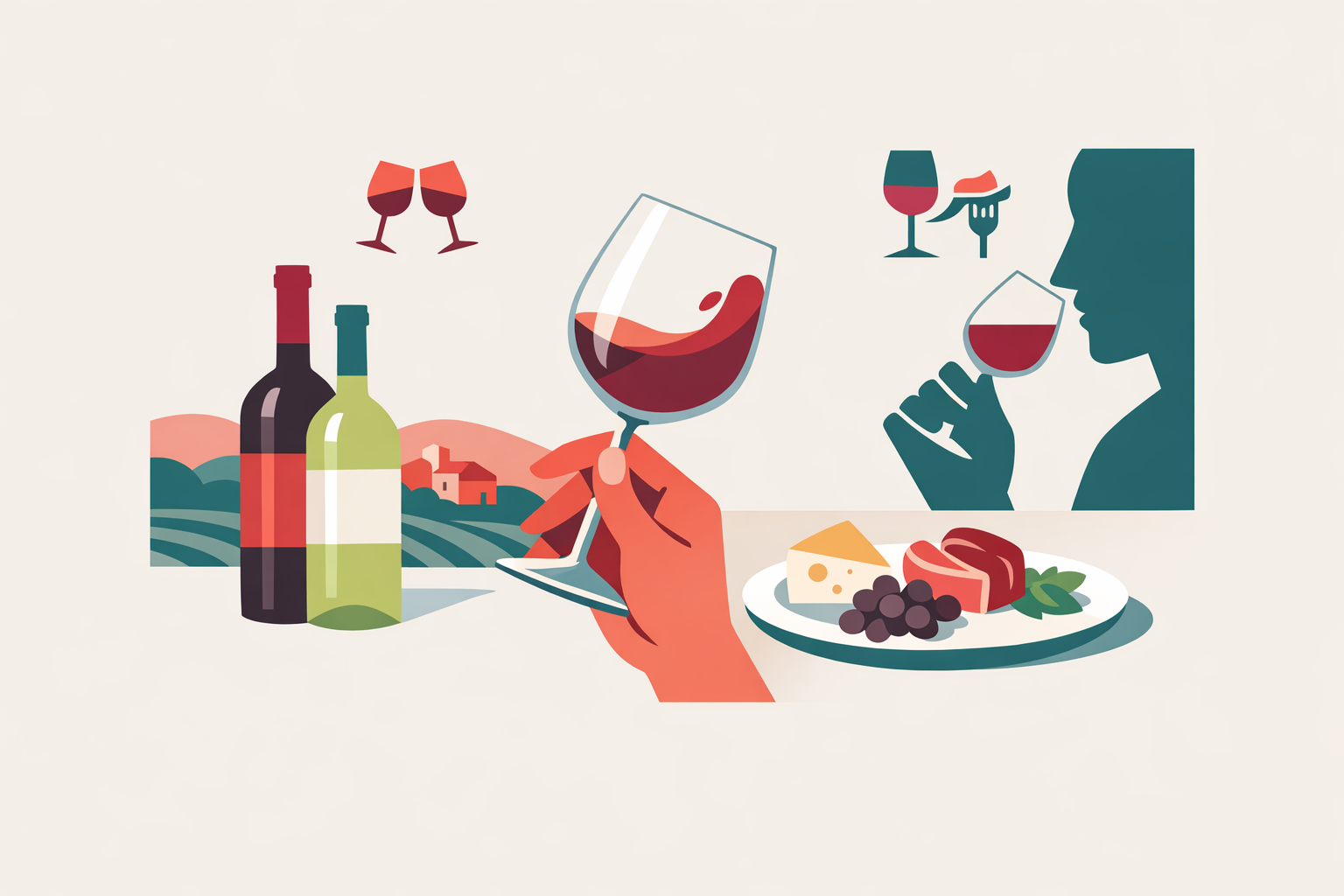
Once you've mapped out your itinerary, a few insider strategies can turn a good visit into something truly memorable. The difference between a rushed tasting and an experience you'll talk about for years often comes down to small choices—how you pace yourself, what questions you ask, and how you engage with the people pouring your wine.
Tasting Room Etiquette That Opens Doors
Winery staff notice when guests show genuine curiosity. Ask about the vineyard's microclimate, the winemaker's philosophy, or what makes this vintage different from the last. These conversations often lead to recommendations you won't find on the tasting menu—sometimes even a pour from a library selection or a peek at the barrel room.
Pace yourself deliberately. Sip, don't gulp. Use the spit bucket without hesitation—it's there for a reason, and professionals use it constantly. If you're visiting multiple wineries in a day, staying clear-headed means you'll actually remember what you tasted.
Pairing Your Experience With Food
Many Napa wineries offer food pairings that elevate the tasting beyond the glass. A well-chosen cheese, charcuterie, or seasonal dish can reveal layers in a wine you might otherwise miss. If a winery doesn't offer pairings, ask if you can bring a picnic—some properties have beautiful grounds where outside food is welcome.
The right bite at the right moment can completely transform how a wine tastes on your palate.
When pairing on your own, think about balance. Rich, buttery Chardonnays love creamy cheeses or roasted nuts. Bold Cabernets stand up to aged cheddar or dark chocolate. If you're unsure, ask the tasting room staff—they know their wines intimately and can steer you toward combinations that work.
Making the Most of Your Location
Staying close to the wineries you want to visit changes the entire rhythm of your trip. Properties in Calistoga, for example, put you within walking distance of tasting rooms, shops, and restaurants, which means you can leave the car behind and fully enjoy each pour. The best views at Napa Valley and Sonoma wineries are often best appreciated when you're not watching the clock or worrying about the drive to your next stop.
Book experiences that go beyond the tasting bar when you can. Cave tours, vineyard walks, and blending sessions give you context that deepens your appreciation for what's in the glass. These add-ons often require advance reservations, so plan accordingly.
Capturing the Moment Without Missing It
Take photos, but don't let your phone become a barrier between you and the experience. Snap a quick shot of the vineyard view or the flight in front of you, then put the device away and be present. The best memories come from conversations, not camera rolls.
If you fall in love with a wine, buy it on the spot. Many small-production bottles are only available at the winery, and shipping restrictions or limited inventory mean you might not get another chance. Ask about wine club benefits too—they often include discounts, allocation access, and complimentary tastings on future visits.
The Little Details That Matter
Dress in layers. Napa mornings can be cool even when afternoons turn warm, and cave tours stay chilly year-round. Comfortable shoes are non-negotiable if you're doing vineyard walks or visiting multiple properties.
Hydrate between tastings and eat a proper meal before you start. Tasting on an empty stomach is a rookie move that catches up with you fast. Bring a notebook or use your phone to jot down tasting notes—after three or four wineries, the details blur together.
Finally, tip your tasting room host. If the experience was exceptional, a gratuity shows appreciation and ensures the next guest gets the same level of care.
Conclusion
Napa Valley's wineries offer something for everyone, whether you're drawn to historic estates that shaped American wine or intimate tasting rooms where winemakers pour their own creations. The key to a memorable visit isn't checking off the most famous names—it's choosing wineries that match your interests, planning ahead with reservations, and staying open to discovery along the way.
Take your time exploring different styles and regions within the valley. Some of my favorite wine country memories come from unexpected moments: a winemaker explaining their organic practices over a barrel sample, or finding a hidden gem tucked into the hillsides that became a new favorite. The best wineries in Napa Valley are the ones that resonate with you personally, not just the ones on every must-visit list.
Before you head home, make sure you know how to fly home with wine without breakage so those special bottles make it back safely. Whether this is your first visit or your tenth, Napa Valley continues to evolve with new winemakers, sustainable practices, and fresh perspectives on classic varietals. Start planning your itinerary, make those reservations, and get ready to experience one of the world's premier wine regions on your own terms.
Explore the best wineries in Napa Valley with this guide, perfect for planning your visit and making the most of your wine tasting experience.