The Best Wine Glasses: Riedel, Zalto, and Universal Stemware
Introduction
I've spent years tasting wines across California's best regions, and one lesson always rings true: the glass matters. Not in a snobbish way, but in a real, tangible way that changes how a wine smells and tastes. The best wine glasses don't just hold liquid—they're engineered to direct aromas, balance acidity, and showcase the craftsmanship that goes into every bottle.
Whether you're hosting a dinner party, building your home bar, or simply want to enjoy your weeknight Pinot Noir the way the winemaker intended, choosing the right stemware transforms the experience. Exceptional wines are crafted from the highest quality vineyards, emphasizing the wine's sense of place, vintage, and winemaking style—and the glass you pour them into should honor that effort.
The right glass doesn't change the wine, but it reveals what was always there.
This guide focuses on three brands that consistently deliver: Riedel, known for varietal-specific designs and innovation; Zalto, celebrated for ultra-thin, hand-blown elegance; and Universal Stemware, which offers versatile shapes that work beautifully across wine styles. If you're planning to explore wine country in person, you might also enjoy our guide to tasting experiences in Napa, where you'll see these glasses in action at top-tier wineries.
What Makes a Great Wine Glass?
A great wine glass does three things well: it concentrates aromas at the rim, it feels balanced in your hand, and it's thin enough to stay out of the way. Bowl shape determines how much surface area the wine has to breathe. Stem length affects temperature control—you don't want your hand warming a chilled white. Material quality impacts clarity and durability.
Small-production wines, often made by renowned growers, deserve glassware that enhances the tasting experience rather than distracting from it. That's where these three brands shine—they've each mastered the details that separate a good glass from a great one.
Explore The Best Wine Glasses from Riedel, Zalto, and Universal Stemware to elevate your wine experience.
Detailed Reviews
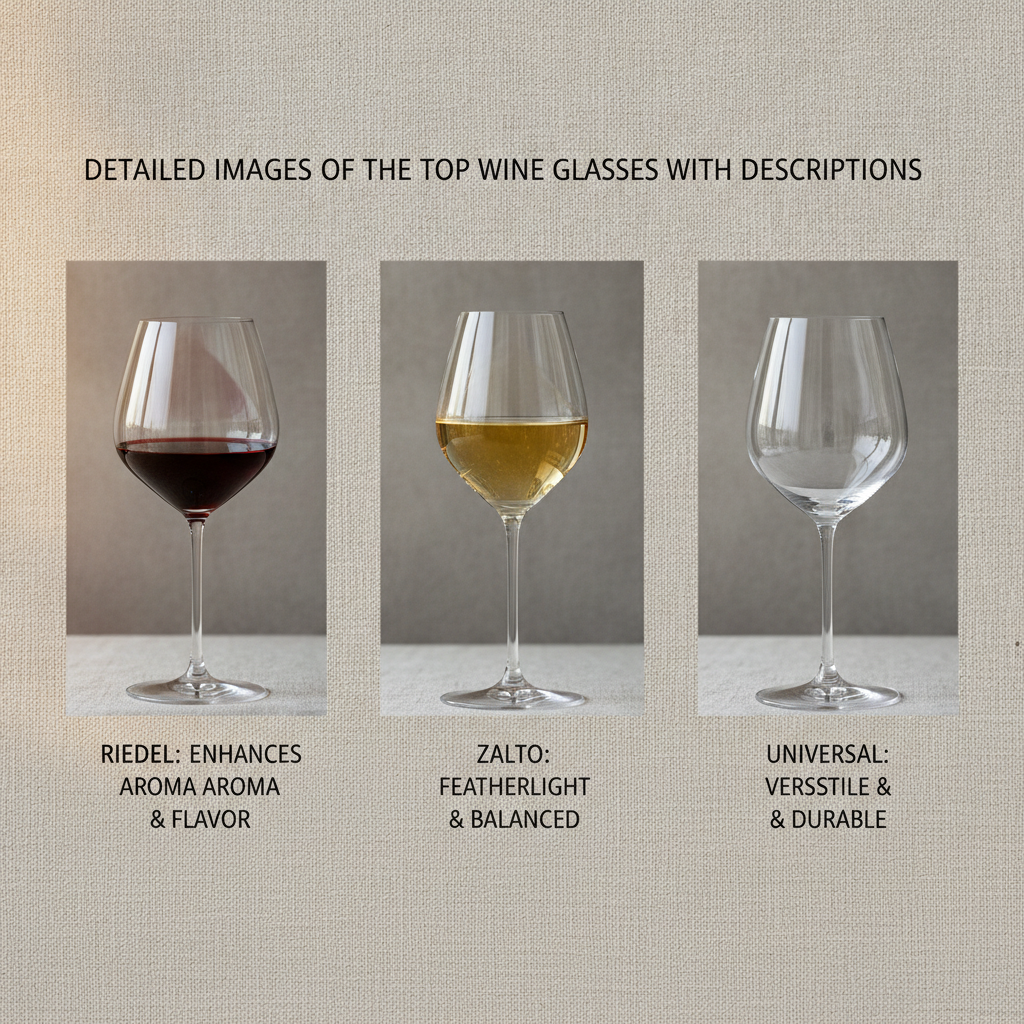
Choosing the right wine glass isn't just about aesthetics—it's about unlocking the full potential of what's in your bottle. Whether you're savoring a Black Pine Pinot Noir or a Rhapsody en Blu Rhone Red blend, the shape and quality of your stemware can transform the experience. Let's dive into what makes Riedel, Zalto, and Universal Stemware the gold standard for serious wine lovers.
Riedel: The Classic Choice for Varietal-Specific Tasting
Riedel has built its reputation on the idea that every grape variety deserves its own glass shape. Their varietal-specific designs direct wine to different parts of your palate, emphasizing the unique characteristics of each wine. The bowls are engineered to enhance aroma concentration, which is crucial when you're trying to pick up those subtle notes of cherry, earth, or spice.
What I love about Riedel is the accessibility—they offer everything from their high-end Sommeliers series to the more budget-friendly Ouverture line. The crystal is thin enough to feel elegant but durable enough for regular use. If you're the type who wants a different glass for your Chardonnay versus your Pinot Noir, Riedel gives you that flexibility without breaking the bank.
Zalto: The Sommelier's Secret Weapon
Zalto glasses are what you'll find in the hands of professionals at high-end tastings. They're hand-blown, feather-light, and shaped according to the angles of the Earth's tilt (yes, really). The result is a glass that feels almost weightless and disappears in your hand, letting the wine take center stage.
The Zalto Universal is my go-to recommendation for anyone serious about tasting experiences. It works beautifully across red and white varietals, with a bowl shape that aerates without overwhelming delicate aromatics. The rim is so fine it's almost invisible, which means nothing interferes between the wine and your senses. Fair warning: these are an investment, and they require careful handling—but the experience is worth it.
A great glass doesn't add to the wine; it simply gets out of the way and lets the wine speak for itself.
Universal Stemware: Versatility Meets Everyday Elegance
Not everyone wants a cabinet full of specialized glasses, and that's where universal stemware shines. These designs are engineered to work across multiple wine styles, making them perfect for casual dinners or when you're opening several bottles at once. The key is a balanced bowl shape that offers enough room for swirling and aeration without being too specific to any one varietal.
Universal stems typically feature a tulip or balloon shape that captures aromatics while providing a comfortable drinking angle. They're practical for everyday use and won't make you nervous when guests are helping with the dishes. Look for options with a thin rim and a stable base—you want elegance without fragility.
What Sets These Brands Apart
All three brands understand that wine is meant to be an expression of its origin and vintage. The right glass enhances those expressions rather than masking them. Riedel offers precision and variety, Zalto delivers professional-grade performance, and Universal Stemware provides accessible quality for everyday enjoyment.
The difference becomes clear when you taste the same wine in a quality glass versus a standard tumbler. Aromatics open up, textures become more apparent, and you'll notice layers you might have missed before. It's not snobbery—it's simple physics and design working together to deliver what the winemaker intended.
Buying Guide
Choosing the right wine glasses can feel overwhelming with so many options out there, but it doesn't have to be. Whether you're building your first collection or upgrading what you've got, a few key considerations will help you find glasses that actually enhance your wine rather than just hold it.
Match the Glass to Your Drinking Habits
Think about what you drink most often. If you're a red wine lover, look for glasses with a wider bowl that allows the wine to breathe and releases those complex aromas. White wine drinkers benefit from smaller, more tapered bowls that keep the wine cooler and direct delicate aromatics right to your nose. If you drink a bit of everything, universal glasses offer a solid middle ground—they're designed to work well across varietals without needing a cabinet full of specialized stems.
Consider Your Budget and Lifestyle
Wine glasses range from everyday-friendly options to investment pieces that can cost hundreds per stem. Be honest about how you'll use them. If you entertain frequently or have kids running around, durability matters as much as performance. Look for glasses with reinforced stems or consider keeping a set of premium glasses for special occasions and a more affordable set for daily use. The best wine glasses are the ones you'll actually use, not the ones gathering dust because you're afraid to break them.
Material and Craftsmanship Matter
Crystal glasses are thinner and more elegant than standard glass, which means the rim practically disappears when you sip—letting the wine take center stage. Lead-free crystal has become the standard for quality stemware, offering clarity and brilliance without health concerns. Pay attention to how the glass feels in your hand: it should be balanced, with a comfortable stem that's easy to hold. A well-made glass will have a smooth, fine rim that doesn't distract from the wine itself.
Shape, Size, and the Wine Experience
The bowl shape isn't just about aesthetics—it genuinely affects how wine tastes. Larger bowls give red wines room to open up, while tulip shapes concentrate aromatics for whites and sparklings. The rim diameter determines where the wine hits your palate first, which can emphasize different flavor components. If you're serious about tasting, shape matters more than brand names. That said, exceptional wines crafted from the highest quality vineyards deserve glassware that does them justice, emphasizing the wine's sense of place and winemaking style.
The right glass doesn't just hold your wine—it frames the entire experience, from the first swirl to the last sip.
Practical Considerations: Storage and Care
Before you commit to a set, make sure you have space to store them properly. Fine stemware shouldn't be stacked or crammed into crowded cabinets where stems can snap. Many wine glasses are dishwasher-safe now, but hand-washing extends their life and prevents clouding. If you're investing in premium glasses, factor in replacement costs—most manufacturers sell individual stems so you're not stuck replacing an entire set after one accident.
For those exploring wine country or planning tasting experiences in Napa, you'll notice how top wineries choose their glassware carefully to showcase each vintage. That same attention to detail can transform your home tastings, too.
How We Tested
Testing wine glasses isn't just about swirling and sipping — it's about understanding how the shape, weight, and rim thickness actually change what you taste. I approached this evaluation the same way I'd assess wines themselves: methodically, with attention to detail, and always keeping the drinker's experience front and center.
Our Testing Methodology
Each glass in our lineup went through a multi-step evaluation process. First, I examined the physical characteristics — bowl shape, stem length, base stability, and overall balance in hand. A wine glass should feel like an extension of your tasting ritual, not a fragile obstacle course. I tested each with multiple varietals (Pinot Noir, Cabernet Sauvignon, Chardonnay, and Sauvignon Blanc) to see how the bowl shape directed aromas and how the rim delivered wine to the palate.
Step 1
Physical assessment
I evaluated each glass for weight distribution, clarity of crystal, and durability. Glasses were handled repeatedly to test for balance and comfort during extended tastings — because nobody wants arm fatigue halfway through a flight.
Step 2
Aroma concentration
Using the same wine in different glasses, I compared how effectively each bowl shape captured and concentrated aromatics. The goal was to identify which designs truly enhanced the tasting experience versus those that simply looked elegant.
Step 3
Real-world usability
I tested dishwasher safety (where claimed), hand-washing ease, and storage practicality. The best wine glasses need to survive everyday life, not just special occasions.
Why Hands-On Testing Matters
The art and science of wine making come together through passion and precision — and the same applies to glassware evaluation. Manufacturer specs tell you dimensions; actual use tells you whether a glass elevates or distracts from the wine. I've spent years tasting in Napa and Sonoma, and I know that the right glass can reveal layers you'd otherwise miss.
Every recommendation in this guide passed through the same rigorous process: multiple tastings, comparative analysis, and honest assessment of value versus performance. I didn't just read the marketing materials — I lived with these glasses, used them for everyday pours and special bottles alike, and paid attention to what actually made a difference in the glass.
Frequently asked questions
Do wine glasses really make a difference in taste?
Absolutely. The shape of a wine glass directs where the wine hits your palate and how the aromas concentrate before reaching your nose. A well-designed glass enhances fruit notes, balances acidity, and softens tannins. I've poured the same Pinot Noir into a universal glass and a varietal-specific stem side by side, and the difference is striking—the right glass opens up layers you'd otherwise miss.
Can I use one type of glass for all wines?
You can, and universal glasses are designed exactly for that purpose. They work well for casual drinking and everyday wines. If you're exploring premium bottles or hosting a tasting where you want each wine to shine, varietal-specific glasses will give you a noticeable edge. For most home enthusiasts, a set of quality universal stems plus one or two varietal-specific options covers nearly every occasion.
How do I clean wine glasses without leaving spots?
Hand wash with warm water and a drop of unscented dish soap, then rinse thoroughly under warm running water. Dry immediately with a lint-free microfiber cloth while the glass is still warm—this prevents water spots and mineral buildup. Avoid the dishwasher for fine crystal; the heat and detergent can etch delicate stems over time. If you must use a dishwasher, choose a gentle cycle and remove glasses before the heated dry phase.
What's the difference between crystal and regular glass?
Crystal contains minerals like lead oxide or magnesium that make it thinner, clearer, and more resonant than soda-lime glass. This thinness creates a seamless transition from glass to wine, enhancing the sensory experience. Lead-free crystal offers the same benefits without the health concerns. Regular glass is thicker and more durable but doesn't deliver the same elegance or aromatic precision. For everyday use, quality glass works fine; for special bottles, crystal elevates the moment.
How many wine glasses should I own?
Start with at least four to six universal glasses for everyday use—enough to host a small gathering without constant washing. Add a set of red-wine-specific stems if you drink Bordeaux, Burgundy, or other premium reds regularly. White wine drinkers might want a set of smaller bowls for Chardonnay or Riesling. If you're serious about wine, having eight to twelve glasses across two or three styles gives you flexibility for tasting experiences and dinner parties without compromise.
Are expensive wine glasses worth it?
If you drink wine regularly and care about the experience, yes. Premium glasses from makers like Riedel and Zalto are engineered to specific tolerances that affect aroma delivery and mouthfeel. They're also beautiful objects that make the ritual more enjoyable. That said, you don't need to spend a fortune—mid-range options offer excellent performance. Save the investment pieces for wines you want to fully appreciate, and keep a set of sturdy everyday glasses for casual pours.
Can I put wine glasses in the dishwasher?
Most manufacturers recommend against it, especially for crystal and hand-blown stems. Dishwasher detergent is abrasive, and the heat can cause clouding or etching. If you do use a dishwasher, load glasses on the top rack with plenty of space between them, use a gentle cycle, and skip the heated dry. For your best glasses, hand washing takes two minutes and protects your investment for years.
Conclusion
Choosing the best wine glasses isn't about chasing the most expensive crystal or filling your cabinet with a different shape for every varietal. It's about finding glassware that enhances the wines you actually drink and fits the way you live. Whether you opt for the precision-engineered bowls of Riedel, the feather-light elegance of Zalto, or the versatility of a well-designed universal stem, the right glass will let the wine show its true character—aromatics, texture, and all.
Over the years, I've tasted through countless glasses at wineries, trade events, and in my own kitchen, and the difference between a thoughtful glass and a generic tumbler is never subtle. Wine touches all the senses, binds the moment together, and creates a lasting memory—and the vessel you pour it into plays a bigger role in that experience than most people realize. A good glass doesn't just hold wine; it frames it, focuses it, and invites you to slow down and pay attention.
If you're planning to explore wine country or deepen your appreciation at home, investing in quality stemware is one of the simplest upgrades you can make. Start with a universal option if you're building your first set, or choose varietal-specific stems if you have clear favorites. Either way, you'll taste the difference from the first sip. For more ways to elevate your wine experience, check out our guide to Taste Chemistry: Surprising Expert Insights on Wine Pairings.
Ultimately, the best wine glasses are the ones you'll use often, care for properly, and enjoy every time you pour. Choose wisely, and every bottle becomes a better experience.