The Best Wine Preservation Systems: Coravin and the Alternatives
Introduction
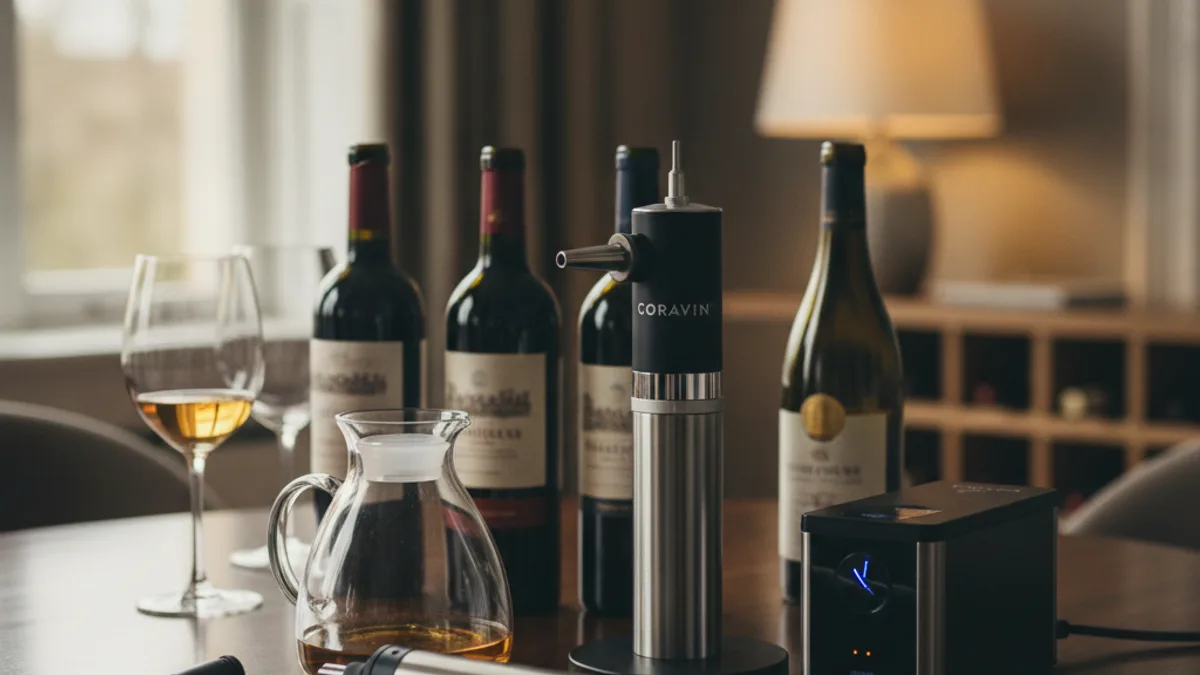
You've just opened a spectacular bottle, enjoyed a glass or two, and now you're staring at what's left wondering how long it'll stay good. If you're like most wine lovers, you've poured mediocre glasses from bottles that sat open too long, watching flavors flatten and aromas fade. That's where wine preservation systems come in.
The best wine preservation systems solve a problem every enthusiast faces: how to enjoy wine at your own pace without racing against oxidation. Whether you're exploring different bottles throughout the week or saving special vintages for the right moments, the right preservation technology lets you drink what you want, when you want it. After years of tasting experiences across Napa and beyond, I've seen how proper preservation transforms the way people enjoy wine at home.
This guide breaks down the top wine preservation systems available today, from the industry-leading Coravin to budget-friendly vacuum pumps and innovative alternatives. We'll cover how each technology works, what makes one system better than another for different situations, and exactly what to look for when you're ready to invest. By the end, you'll know which preservation method matches your wine habits and keeps every pour as good as the first.
Discover the best wine preservation systems, including Coravin and its alternatives, to keep your wine fresh and flavorful.
Table of Contents
- Introduction — Introduce the importance of wine preservation systems and what the article will cover.
- Table of Contents
- Our Top Picks for Wine Preservation Systems — Provide a quick overview of the best wine preservation systems with key features and prices.
- Detailed Reviews of the Best Wine Preservation Systems — Offer in-depth reviews of each wine preservation system, highlighting their features, pros, and cons.
- Buying Guide for Wine Preservation Systems — Help readers understand what to consider when purchasing a wine preservation system.
- How We Tested the Wine Preservation Systems — Explain the methodology behind the testing and selection of the wine preservation systems featured.
- Frequently Asked Questions about Wine Preservation Systems — Address common questions and concerns regarding wine preservation systems.
- Conclusion — Summarize the key points and encourage readers to choose the right wine preservation system for their needs.
Our Top Picks for Wine Preservation Systems
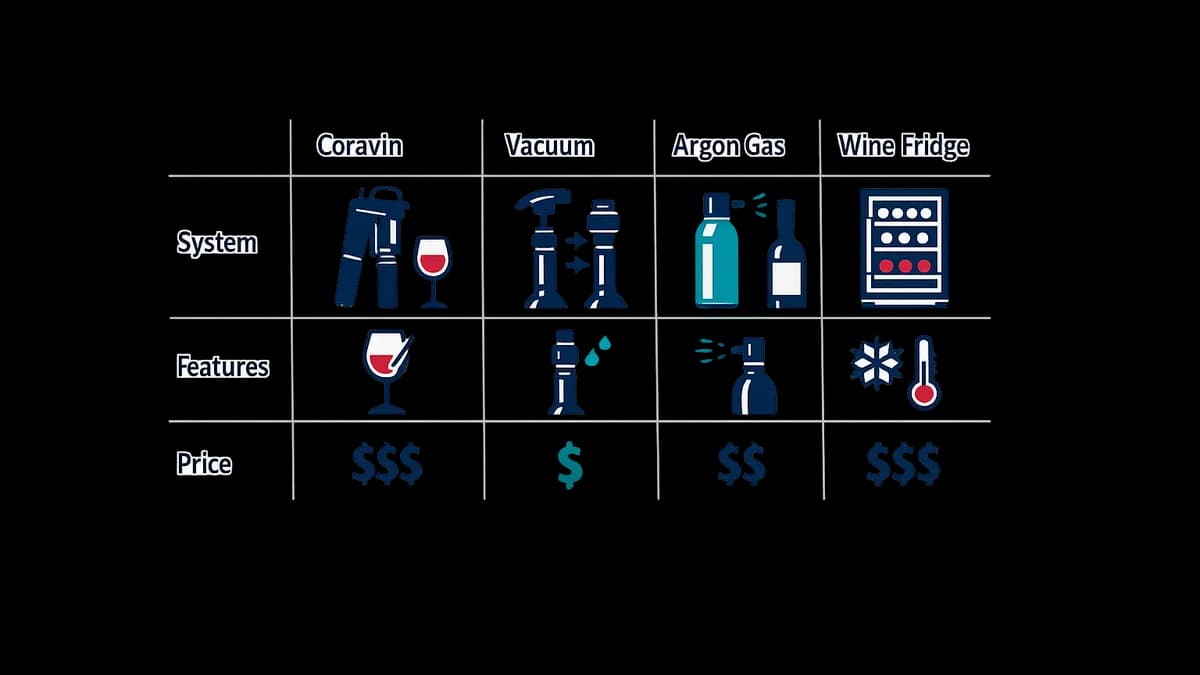
Choosing the right preservation system depends on how you drink wine and what you want to protect. Some systems work best for bottles you'll finish within a week, while others keep wine fresh for months. The price range varies widely too—from budget-friendly vacuum pumps to premium argon-based systems.
Below is a quick comparison of our top picks, showing the key features and typical price points to help you narrow down your options. Each system uses a different preservation method, so the right choice depends on whether you're opening bottles occasionally or running a serious collection.
| System Type | Preservation Method | Ideal Use Case | Typical Price Range |
|---|---|---|---|
| Vacuum Pump | Removes air from bottle | Casual drinking, 3-5 days | $10-$30 |
| Argon Gas | Inert gas blanket | Moderate use, 1-2 weeks | $30-$80 |
| Needle System | Argon through cork | Premium wines, months | $200-$400 |
| Electric Preservation | Automated vacuum/gas | High-volume, weeks | $150-$300 |
What to Consider Before You Buy
The best wine preservation systems balance convenience with how long you need your wine to stay fresh. If you're opening a bottle every few nights, a simple vacuum pump gets the job done. But if you're savoring something special over weeks—or you want to offer guests a taste without committing to the whole bottle—you'll want a system that uses inert gas to prevent oxidation entirely.
Price matters, but so does the cost per use. Premium systems require replacement cartridges or capsules, which adds up if you're preserving wine regularly. Budget options have lower upfront costs but may not protect delicate or aged wines as effectively. Think about your drinking habits and your collection before you invest.
For a deeper look at how each system performs in real-world use, check out our tasting experiences in Napa to see how preservation impacts flavor over time.
Detailed Reviews of the Best Wine Preservation Systems
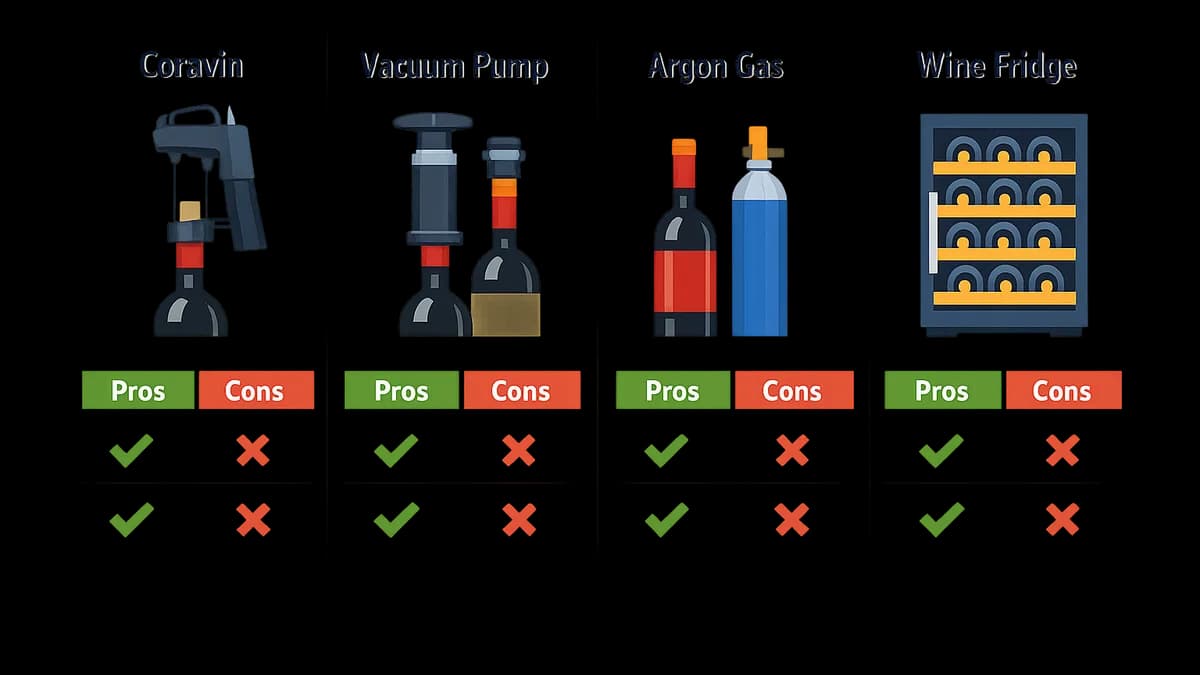
When you're working with premium wines — the kind that evolve with each release and demand careful handling — choosing the right preservation system becomes critical. The best systems protect what winemakers spend years perfecting: balance, freshness, and that deep sense of place that makes a wine worth savoring.
What Makes a Preservation System Worth Your Investment
A quality wine preservation system does more than just slow oxidation. It maintains the integrity of wines sourced from meticulously farmed vineyards, preserving the nuanced flavors that traditional winemaking methods bring out. Whether you're enjoying wines from high-elevation sites or low-lying valleys, the right system keeps those cooling influences and fresh characteristics intact glass after glass.
Premium Argon-Based Systems
Argon-based preservation systems create a protective blanket over your wine, displacing oxygen without penetrating the cork. These systems work particularly well for wines that emphasize place and precision — bottles where every sip should taste as intended. The heavier-than-air argon settles naturally on the wine's surface, making it ideal for bottles you'll finish within a few weeks.
These systems typically come in canister form and offer straightforward operation: insert the tube, spray for a few seconds, and reseal. They're gentle enough for delicate wines but effective for everyday preservation needs.
Vacuum Pump Systems
Vacuum pumps remove air from the bottle through a specialized stopper, creating negative pressure that slows oxidation. While not as sophisticated as argon or needle-based systems, vacuum pumps offer an accessible entry point for casual wine drinkers. They work best for wines you plan to finish within three to five days.
The main limitation: vacuum systems can't fully eliminate oxygen, and the pumping action may strip some volatile aromatics from highly expressive wines. For everyday bottles, though, they provide adequate short-term protection at a fraction of premium systems' cost.
Needle-Through-Cork Technology
Needle-based systems represent the gold standard for serious wine enthusiasts. These devices pierce the cork with a thin needle, extract wine through argon pressure, and reseal automatically when you remove the needle. The cork remains intact, making them perfect for wines you want to enjoy over weeks or months.
This technology shines when you're working with wines that demand the highest winemaking standards — bottles where traditional methods and careful vineyard selection create something worth protecting. The system's precision means you can pour a single glass without compromising the remaining wine's quality.
The right preservation system turns a $100 bottle into ten $10 experiences, each as fresh as opening night.
Coravin-Style Systems
Coravin pioneered needle-through-cork technology and remains the category leader. Their systems use medical-grade needles and pure argon capsules to access wine without removing the cork. Multiple models serve different needs: compact versions for travel, standard models for home use, and premium options with pour-speed controls.
The system works through simple physics — argon pressure pushes wine up through the needle while replacing the extracted volume with inert gas. When you remove the needle, the cork's natural elasticity reseals the puncture. Wines stay fresh for months, sometimes years, depending on the bottle.
Electric Wine Dispensers
Electric preservation systems combine dispensing convenience with preservation technology. Most use argon or nitrogen to protect the wine while offering portion control and temperature management. These systems suit wine-by-the-glass programs or homes where multiple bottles stay open simultaneously.
Higher-end electric models include digital displays, programmable pour sizes, and built-in cooling. They're investments — both in cost and counter space — but they deliver consistent results for serious collectors who want restaurant-quality preservation at home. If you're exploring premium tasting experiences in Napa, you'll recognize this technology from professional tasting rooms.
Budget-Friendly Preservation Options
Entry-level systems typically combine basic vacuum technology with reusable stoppers. While they can't match premium systems' longevity, they extend a wine's drinkable window from one day to three or four. Look for systems with clear date indicators and stoppers that create audible seals — both signs of thoughtful design.
These systems work best for everyday wines where you're not worried about preserving every subtle characteristic. They're honest tools that do a simple job adequately, without pretending to be something more.
Buying Guide for Wine Preservation Systems
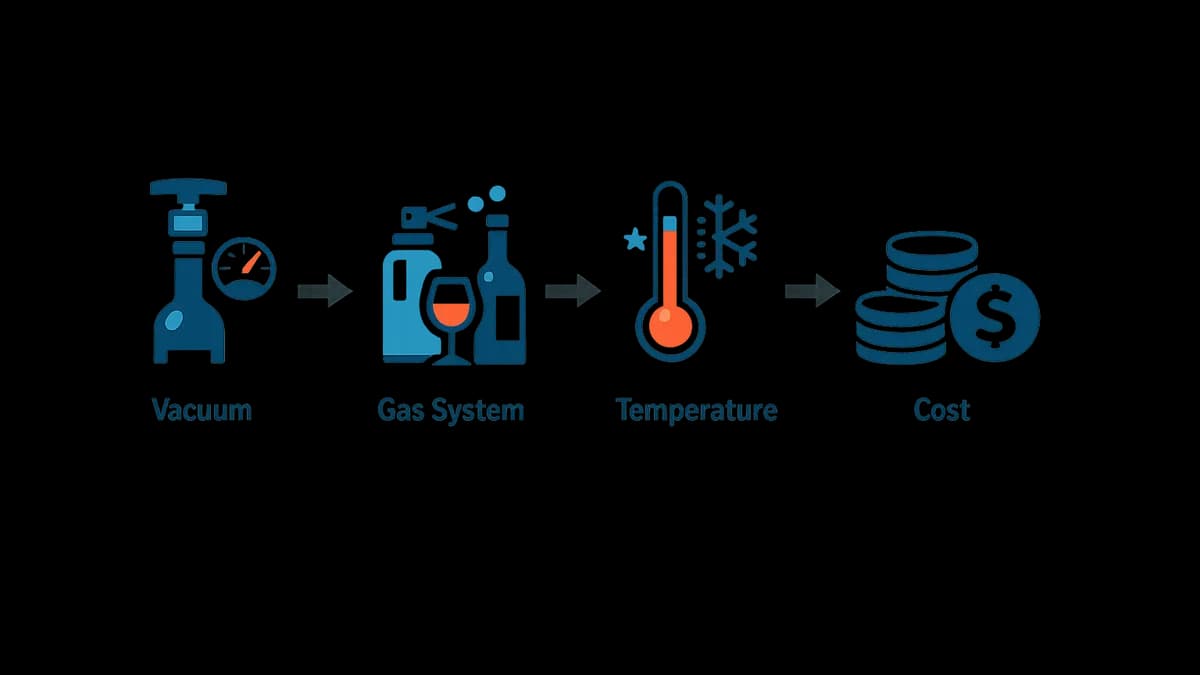
Choosing the right wine preservation system comes down to understanding how you actually drink wine. If you're the type who opens a special bottle for a single glass on a Tuesday night, your needs are completely different from someone hosting weekend dinner parties. The best system for you depends on your drinking habits, budget, and how much counter space you're willing to sacrifice.
System Type: Vacuum, Gas, or Needle?
Vacuum pumps are the entry-level option—they remove air from an opened bottle using a rubber stopper and hand pump. They're inexpensive and work reasonably well for wines you'll finish within a few days. Gas-based systems (argon or nitrogen) create a protective blanket over the wine's surface, preserving it for up to a week or two. Needle systems pierce the cork and extract wine without removing it, keeping bottles fresh for weeks or even months.
Each technology has trade-offs. Vacuum systems are cheap but less effective for long-term storage. Gas systems offer better preservation but require purchasing replacement canisters. Needle systems deliver the longest preservation but come with a higher upfront cost and ongoing capsule expenses.
Bottle Compatibility and Cork Types
Not all preservation systems work with every bottle. Needle-based systems require natural cork closures—they won't pierce synthetic corks or screw caps. If you regularly drink wines with alternative closures, you'll need a vacuum or gas system instead. Some systems also struggle with older, crumbly corks that can break apart when pierced.
Check the maximum bottle neck diameter too. Most systems handle standard 750ml bottles, but magnums and specialty formats may require specific attachments or won't work at all.
Cost Considerations: Upfront and Ongoing
The sticker price tells only part of the story. Factor in replacement costs for argon cartridges, needle capsules, or vacuum stoppers. A $50 vacuum system might seem economical until you realize the stoppers wear out every few months. Premium needle systems cost several hundred dollars upfront but the per-glass cost drops significantly if you're preserving expensive bottles.
Think about the value of the wines you're preserving, too. Protecting a $100 bottle justifies a more expensive preservation method. For everyday $15 wines, simpler solutions work just fine.
Ease of Use and Maintenance
Some systems require two hands, careful alignment, and multiple steps to operate. Others work with a simple push or pull. If you'll be using your preservation system several times a week, convenience matters. Look for intuitive designs that don't require reading the manual every time.
Maintenance requirements vary widely. Needle systems need periodic cleaning to prevent wine buildup inside the mechanism. Vacuum pumps require little maintenance beyond replacing worn stoppers. Gas systems are essentially maintenance-free until you need a new canister. Consider how much fussing around you're willing to do between glasses.
Preservation Duration: How Long Do You Need?
Be realistic about your timeline. If you typically finish an opened bottle within three to five days, you don't need a system that preserves wine for months. Match the technology to your actual drinking patterns, not your aspirational ones.
Delicate wines like older Pinot Noirs and white Burgundies deteriorate faster than robust Cabernets. If you collect age-worthy bottles, invest in a system with longer preservation capabilities. For more guidance on appreciating premium wines, check out our tasting experiences in Napa.
Portability and Storage
Some preservation systems are countertop fixtures while others tuck into a drawer. If you have limited kitchen space or plan to bring your system to dinner parties, size and portability matter. Compact vacuum pumps travel easily. Bulkier needle systems with charging bases are better suited to staying put.
Consider where you'll store replacement supplies too. Argon canisters and needle capsules take up space, and you'll want to keep extras on hand so you don't run out mid-bottle.
Build Quality and Durability
Cheap preservation systems often fail within a year—plastic components crack, seals deteriorate, and mechanisms jam. If you're investing in wine preservation, buy something built to last. Metal construction, quality seals, and solid warranties indicate a system that'll serve you for years.
Read user reviews focusing on long-term performance rather than initial impressions. A system that works beautifully for the first month but fails by month six isn't a bargain at any price.
The best wine preservation system is the one you'll actually use consistently—complicated gadgets end up forgotten in the back of the cabinet.
Special Features Worth Considering
Some advanced systems include pour spouts, drip-free mechanisms, or indicators showing how many glasses remain in a bottle. These features add convenience but also increase cost. Decide which extras genuinely improve your experience versus which are just marketing gimmicks.
A few high-end systems offer app connectivity or digital tracking, letting you log which bottles you've opened and when. If you're serious about wine collecting and want detailed records, these features might justify the premium. For casual drinkers, they're probably overkill.
How We Tested the Wine Preservation Systems
Testing wine preservation systems isn't something you can rush through in an afternoon. Over the course of several weeks, I put each system through its paces using bottles from my personal collection—everything from delicate Pinot Noirs to bold Cabernets. The goal was simple: figure out which systems actually keep wine tasting fresh, and which ones are all marketing hype.
Real-World Testing Conditions
I didn't test these systems in some sterile lab environment. Instead, I used them exactly how you would at home—opening bottles for a glass or two, preserving them, and coming back days or weeks later to see how the wine held up. Each system was evaluated with multiple bottles across different varietals to account for how wine type affects preservation.
The testing process included red wines, white wines, and even a few rosés to see how each system handled wines with different oxidation sensitivities. Some bottles were tested after three days, others after a week, and a few were pushed to two weeks or more to see where each system's limits really are.
What We Measured
Every preserved bottle was evaluated on four key criteria: aroma retention, flavor accuracy, mouthfeel consistency, and overall freshness compared to a freshly opened bottle. I tasted each wine blind when possible, comparing the preserved sample against my tasting notes from when the bottle was first opened.
Ease of use was another major factor. A preservation system that works perfectly but requires a engineering degree to operate isn't practical for most wine lovers. I tracked how long each system took to use, how intuitive the process was, and whether any special maintenance or supplies were needed.
Cost per use also factored into the evaluation. Systems that require expensive replacement cartridges or capsules can add up quickly, so I calculated the real cost of preserving a bottle over time—not just the upfront price tag.
Testing Methodology
Each system was tested with at least five different bottles, with preservation periods ranging from three days to three weeks. For argon and nitrogen-based systems, I used the same technique each time to ensure consistency. For vacuum systems, I monitored seal integrity daily. For needle-based systems like Coravin, I tracked how many pours could be extracted before wine quality declined.
Temperature and storage conditions remained constant throughout testing—all bottles were stored upright in a cool, dark space at around 60°F. This eliminated environmental variables and let each system's performance speak for itself.
The approach emphasized practical, everyday use rather than perfect laboratory conditions, because that's how you'll actually use these systems at home. If you're interested in exploring more about wine experiences beyond preservation, check out Tasting Experiences Napa: 12 Essential Secrets for the Best for insights on making the most of your wine adventures.
The best preservation system is the one you'll actually use consistently—not the one gathering dust because it's too complicated.
Evaluation Timeline
The entire testing process spanned eight weeks, allowing enough time to thoroughly evaluate each system's performance across multiple bottles and preservation periods. Some systems showed their weaknesses within the first week, while others maintained wine quality impressively well into the second and third weeks.
Final rankings considered not just preservation effectiveness, but also value, ease of use, and whether the system matched its marketing claims. The results you'll see in the detailed reviews reflect real-world performance, not manufacturer promises.
Frequently Asked Questions about Wine Preservation Systems
How long can wine preservation systems keep wine fresh?
It depends on the system. Vacuum pumps typically extend freshness for 3–5 days, while argon-based systems can preserve wine for up to two weeks. Coravin-style needle systems, which don't remove the cork, can keep bottles fresh for months or even years since oxygen never touches the wine. The key is matching the system to how quickly you'll finish the bottle.
Are wine preservation systems worth the investment?
If you regularly open bottles you won't finish in one sitting, absolutely. A good preservation system pays for itself quickly by preventing waste. For casual drinkers who open a bottle every few weeks, a simple vacuum pump does the job. If you're exploring premium wines or tasting multiple bottles simultaneously, a needle-based system makes sense. Think about your drinking habits first, then choose accordingly.
Can I use wine preservation systems on sparkling wine?
Most standard preservation systems don't work well with sparkling wines because they can't maintain the carbonation pressure. Vacuum pumps actually make things worse by pulling out dissolved CO₂. Some brands offer specialized stoppers designed for sparkling wine that create a tight seal and maintain pressure, but they're not as effective as drinking the bottle within a day or two. For Champagne and prosecco, dedicated sparkling wine stoppers are your best bet.
Do wine preservation systems affect the taste of the wine?
When used correctly, quality preservation systems shouldn't alter the wine's flavor profile. Argon and nitrogen are inert gases that simply displace oxygen without reacting chemically. Coravin-style systems use argon specifically because it's flavorless and odorless. Vacuum pumps don't add anything to the wine, though over-pumping can strip some volatile aromatics. The goal of any preservation system is to maintain the wine exactly as it was when you first opened it, and the best systems accomplish that without introducing off-flavors.
How do I know when a preserved wine has gone bad?
Your nose is the best indicator. If the wine smells like vinegar, wet cardboard, or nail polish remover, it's oxidized. Visually, white wines turn brownish and reds lose their vibrant color, becoming dull or brick-colored. On the palate, oxidized wine tastes flat, sour, or overly sharp. Even with preservation systems, wines sourced from premier vineyards deserve proper storage conditions—keep them in a cool, dark place and check them periodically. When in doubt, take a small sip; bad wine announces itself immediately.
Can I travel with wine preservation systems?
Vacuum pumps and basic preservation tools travel easily in checked luggage. Coravin systems and argon canisters are trickier—pressurized gas cartridges are typically prohibited in carry-on bags and may have restrictions in checked luggage depending on the airline. If you're planning to bring a preservation system on a wine country trip, check TSA guidelines and your airline's specific policies beforehand. For travel, consider whether you'll actually need preservation or if you'll be finishing bottles with your group anyway.
Conclusion
Choosing the right wine preservation system comes down to how you actually drink wine. If you're someone who loves opening a bottle on a Tuesday night and finishing it the following weekend, a good preservation system pays for itself quickly—not just in saved wine, but in the freedom to explore bottles you'd otherwise hesitate to open.
The best wine preservation systems we've covered here range from simple vacuum pumps that handle everyday drinking to sophisticated argon-based systems that can keep a premium bottle fresh for weeks. Coravin remains the gold standard for long-term preservation, especially if you're pouring by the glass from bottles you want to revisit over months. But plenty of alternatives offer excellent value for more casual use—stopper systems work beautifully for wines you'll finish within a few days, and countertop preservation units strike a nice balance for regular wine drinkers who want something better than a cork shoved back in the bottle.
Over the years, I've watched preservation technology go from a niche sommelier tool to something every wine lover can use at home. The difference it makes is real: you stop rationing that good Napa Cab because you're worried about waste, and you start exploring more adventurously. Whether you're tasting your way through wine country experiences or building a collection at home, the right preservation system means every bottle gets enjoyed at its best, on your timeline.
Pick the system that matches your pace, your budget, and the wines you love most. Your future self—glass in hand, weeks after opening that special bottle—will thank you.