Understanding Red Wine: From Light to Full-Bodied
Introduction
Understanding Red Wine begins with recognizing that it exists on a spectrum from light and delicate to rich and full-bodied. Walking into a wine shop or scanning a restaurant list can feel overwhelming when you're faced with dozens of red wine options. Pinot Noir, Cabernet Sauvignon, Merlot, Syrah—the names alone don't tell you much about what's actually in the glass. After years of guiding tastings and watching people light up when they finally "get" what makes one red wine different from another, I've learned that the secret isn't memorizing grape varieties. It's understanding body.
Think of red wine as existing on a sliding scale, kind of like coffee. Just as espresso differs dramatically from a light breakfast blend, a delicate Pinot Noir offers a completely different experience than a bold Cabernet. The terms "light-bodied" and "full-bodied" describe where a wine falls on that spectrum, and once you grasp what those terms actually mean in your mouth, choosing wine becomes intuitive rather than intimidating.
The beautiful thing about discovering the best red wines in wine country is that you can taste this spectrum firsthand, moving from lighter styles to richer ones and feeling the differences build with each pour. Understanding red wine isn't about becoming a sommelier overnight—it's about knowing what to expect when you uncork a bottle, pairing wines that enhance rather than overpower your meal, and confidently exploring new varieties that match your palate.
Whether you're just starting your wine journey or you've been drinking reds for years without quite understanding why some bottles sing and others fall flat, learning to identify light versus full-bodied characteristics transforms every tasting. You'll stop guessing and start choosing with purpose, turning every glass into an opportunity to refine your preferences and deepen your appreciation.
What Makes Understanding Red Wine Difficult?
Walk into any wine shop and you'll hear the terms "light-bodied" and "full-bodied" tossed around like everyone knows exactly what they mean. But here's the thing: most wine drinkers don't. And that confusion leads to a lot of disappointing bottles.
The problem isn't that you lack wine knowledge — it's that the wine industry hasn't done a great job explaining what "body" actually means in practical terms. You might pick up a bottle labeled "elegant" or "robust," but those words don't tell you whether it'll taste thin and watery or thick and chewy. Without understanding the spectrum from light to full-bodied, you're essentially guessing every time you buy a bottle.
Why Body Matters for Your Wine Selection
Body affects everything: how the wine feels in your mouth, what foods it pairs with, and whether you'll actually enjoy drinking it. A light-bodied Pinot Noir and a full-bodied Cabernet Sauvignon aren't just different grape varieties — they're completely different experiences. One might be perfect for a summer lunch, while the other demands a grilled steak.
The confusion deepens when you consider that vineyard location and winemaking style can dramatically shift a wine's body. A Russian River Valley Pinot Noir might be delicate and silky, while another Pinot from a warmer region could feel much richer. Understanding these differences helps you choose wines that actually match your preferences and the occasion.
Many wine drinkers end up stuck in a rut, ordering the same varietal over and over because they're afraid of making a mistake. Or worse, they avoid red wine altogether because they once had a tannic, full-bodied monster that left their mouth feeling like sandpaper. Learning to navigate the body spectrum opens up the best red wines in wine country and gives you the confidence to explore.
The cheapest mistake in wine isn't buying the wrong bottle — it's never learning what you actually like.
When you understand body, you can walk into a tasting room or restaurant and articulate what you're looking for. Instead of saying "something red," you can ask for a medium-bodied red with soft tannins and bright fruit. That specificity transforms your wine experience from random chance to intentional enjoyment.
How Do You Navigate the Understanding Red Wine Spectrum?
Let's break down the red wine spectrum in a way that actually makes sense when you're standing in front of a wine list or browsing a shop. Understanding red wine doesn't require memorizing complicated charts — it's about recognizing a few key patterns that'll guide you to bottles you'll love.
Step 1: Get Familiar with Light-Bodied Reds
Step 1
Start with Pinot Noir
Pinot Noir sits at the lighter end of the red wine spectrum and makes an excellent entry point. These wines typically show bright red fruit flavors like cherry and raspberry, with softer tannins that won't dry out your mouth. Small-lot producers in regions like Sonoma County craft exceptional examples that showcase the grape's elegant character. Light-bodied reds work beautifully with salmon, roasted chicken, or mushroom dishes.
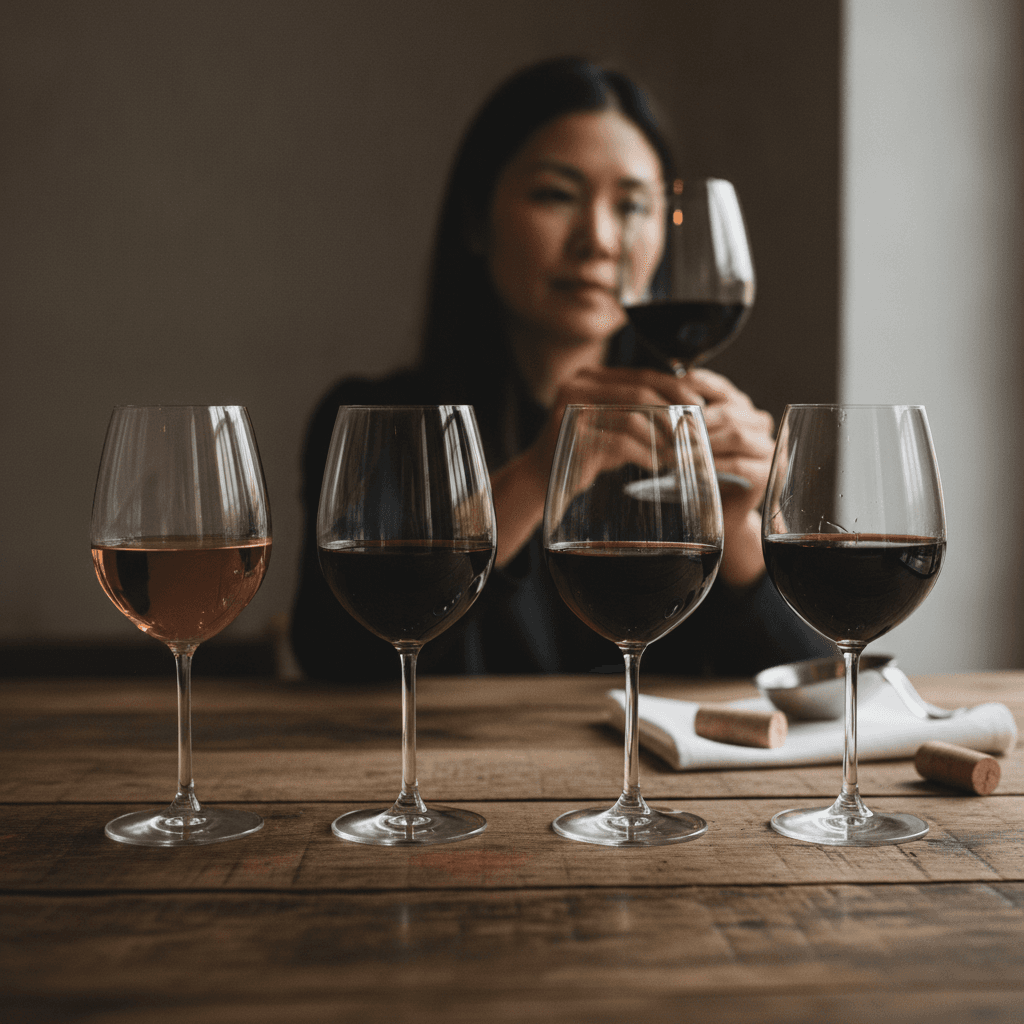
The beauty of starting here is that you'll develop a baseline for what "light" actually feels like in your glass. These wines tend to be more transparent in color — hold them up to the light and you'll see through them more easily than their full-bodied cousins.
Step 2: Explore Medium-Bodied Options
Step 2
Move into the middle ground
Merlot, Zinfandel, and Malbec occupy this comfortable middle territory. They bring more weight and structure than Pinot Noir, with darker fruit flavors like plum and blackberry. The tannins are more noticeable but still approachable. These wines pair wonderfully with grilled meats, pasta with red sauce, or aged cheeses.
This is where a lot of wine drinkers find their sweet spot. Medium-bodied reds offer enough complexity to keep things interesting without overwhelming your palate. If you're exploring the best red wines in Wine Country, you'll find plenty of producers working with these versatile varietals. For those with a preference for sweeter profiles, check out our guide to top sweet red wines.
Step 3: Understanding Full-Bodied Reds
Step 3
Experience bold, structured wines
Cabernet Sauvignon, Cabernet Franc, and Petite Sirah represent the full-bodied category. These wines pack serious concentration, with bold dark fruit flavors, noticeable tannins, and often higher alcohol levels. They're built to stand up to rich foods like ribeye steak, braised short ribs, or hearty stews. The color is typically deep and opaque.
Recognizing Body Through Taste and Texture
Body isn't just about flavor intensity — it's about how the wine actually feels in your mouth. Light-bodied wines feel almost like water in terms of weight. Full-bodied wines have a thicker, more coating sensation. Medium-bodied falls somewhere in between.
Pay attention to tannins too. Those are the compounds that create that drying, gripping sensation on your tongue and gums. Light-bodied reds have gentle tannins. Full-bodied reds often have firm, structured tannins that need food or age to soften.
Matching Wine Body to Food
| Wine Body | Best Food Matches | Why It Works |
|---|---|---|
| Light | Salmon, chicken, mushrooms | Won't overpower delicate flavors |
| Medium | Grilled meats, pasta, pizza | Versatile enough for everyday meals |
| Full | Steak, braised meats, aged cheese | Matches the richness and intensity |
The general rule: match the weight of your wine to the weight of your food. A delicate Pinot Noir gets lost next to a heavily marbled steak, while a big Cabernet will bulldoze a piece of grilled salmon.
Understanding Specialty Blends
Some producers create signature blends that combine multiple varietals, offering unique flavor profiles that don't fit neatly into a single category. These blends might balance the elegance of one grape with the structure of another, creating something entirely their own. When you encounter these, ask about the blend components — that'll give you clues about where it falls on the body spectrum.
Tips and Tricks
Choosing the right red wine doesn't have to feel overwhelming. Once you understand the basics of body and flavor profiles, you can start making confident selections based on what you're eating, who you're with, and what kind of experience you're after.
Match Wine to the Occasion
Think about the setting before you pick a bottle. Light-bodied reds work beautifully for casual weeknight dinners or outdoor gatherings where you want something refreshing and easy to drink. Full-bodied wines shine at celebrations, holiday meals, or anytime you're serving richer dishes that can stand up to bold flavors. If you're hosting a wine tasting at home, consider offering one wine from each end of the spectrum so guests can compare and discover their preferences.
Trust Your Palate, Not the Price Tag
Expensive doesn't always mean better, especially when you're still exploring what you like. Small-lot producers often create exceptional wines at accessible price points. For example, wineries focused on classically structured wines with high acidity and texture can deliver food-friendly bottles that won't break the bank. The key is tasting widely and paying attention to what makes your taste buds happy.
If you're ready to explore exceptional red wines in their natural habitat, check out our guide to Discover the Best Red Wines in Wine Country for an Unforgettable Experience for curated tasting room recommendations. You might also discover undiscovered wineries in Sonoma County that offer intimate, personalized tasting experiences.
Food Pairing Made Simple
The classic rule still holds: lighter wines with lighter foods, fuller wines with heartier dishes. But here's the insider trick — consider the sauce or preparation method as much as the protein itself. A grilled chicken with mushroom cream sauce calls for something fuller than the same chicken served with a citrus vinaigrette. High-acid wines cut through rich, fatty foods beautifully, while fruit-forward wines complement dishes with a touch of sweetness.
Pairing food with red wine isn't about rigid rules — it's about creating balance between what's on your plate and what's in your glass.
Explore Regional Specialties
Some of the most exciting red wines come from specific vineyard sites that express unique characteristics. Small-lot Pinot Noir from distinguished Northern California sites offers a completely different experience than mass-produced versions. Specialty blends crafted from particular appellations can introduce you to flavor combinations you'd never find in single-varietal bottles. Don't be afraid to ask tasting room staff about vineyard-specific offerings — they're often the hidden gems.
Keep Notes and Build Your Favorites List
Start a simple wine journal, even if it's just notes in your phone. Jot down the wines you loved, what you ate with them, and why they worked. Over time, you'll notice patterns — maybe you gravitate toward wines with bright acidity, or perhaps you prefer earthier, more savory profiles. These notes become your personal roadmap for future purchases and help you communicate what you like when asking for recommendations.
Conclusion
Understanding red wine isn't about memorizing tasting notes or becoming a sommelier overnight — it's about discovering what you love and why. Whether you're drawn to the bright, food-friendly character of light-bodied Pinots or the bold, warming embrace of a full-bodied Cabernet, every bottle you try teaches you something new about your own palate. The spectrum from light to full-bodied is just a framework; the real magic happens when you start experimenting, pairing, and sharing.
Over the years, I've watched countless people transform from hesitant tasters to confident wine lovers, and it always starts the same way: they stop worrying about getting it "right" and start paying attention to what makes them happy. Wine touches all the senses, binds the moment together and creates a lasting memory — especially when you're sharing it with people you care about. That's the heart of the wine experience, and it's something no chart or guide can fully capture.
We believe that sharing a bottle of wine with friends & family, over a great meal is one of the true joys in life.
So grab a bottle that sounds interesting, pour a glass, and see where it takes you. If you're ready to explore beyond your usual picks, check out Discover the Best Red Wines in Wine Country for an Unforgettable Experience for inspiration on where to taste next. The wine experience is deeply connected to food, friendship, and family — and the best way to understand red wine is simply to drink more of it, thoughtfully and joyfully.
Frequently asked questions
What is the difference between light-bodied and full-bodied red wine?
Light-bodied red wines feel lighter in your mouth with softer tannins and brighter fruit flavors, while full-bodied reds have more weight, stronger tannins, and richer, more concentrated flavors. Think of it like the difference between skim milk and heavy cream.
How does tannin affect red wine body?
Tannins contribute significantly to a wine's body by creating texture and structure. Light-bodied wines have gentle tannins that barely dry your mouth, while full-bodied wines have firm, gripping tannins that create a coating sensation on your tongue and gums.
Which red wines are best for beginners?
Medium-bodied reds like Merlot or lighter Zinfandels are ideal for beginners because they offer enough flavor complexity to be interesting without overwhelming your palate. Pinot Noir is also excellent for those who prefer softer, more delicate wines.
Can the same grape variety produce different body styles?
Yes, absolutely. Vineyard location, climate, and winemaking techniques can dramatically affect a wine's body. A Pinot Noir from a cool coastal region will be lighter than one from a warmer inland area, even though they're the same grape.
What foods pair best with full-bodied red wines?
Full-bodied reds pair beautifully with rich, hearty dishes like ribeye steak, braised short ribs, aged cheeses, and heavy stews. The wine's intensity and tannins complement the fat and protein in these foods, creating balanced flavor experiences.