Wine and Cheese Pairing: A Practical Guide

Introduction
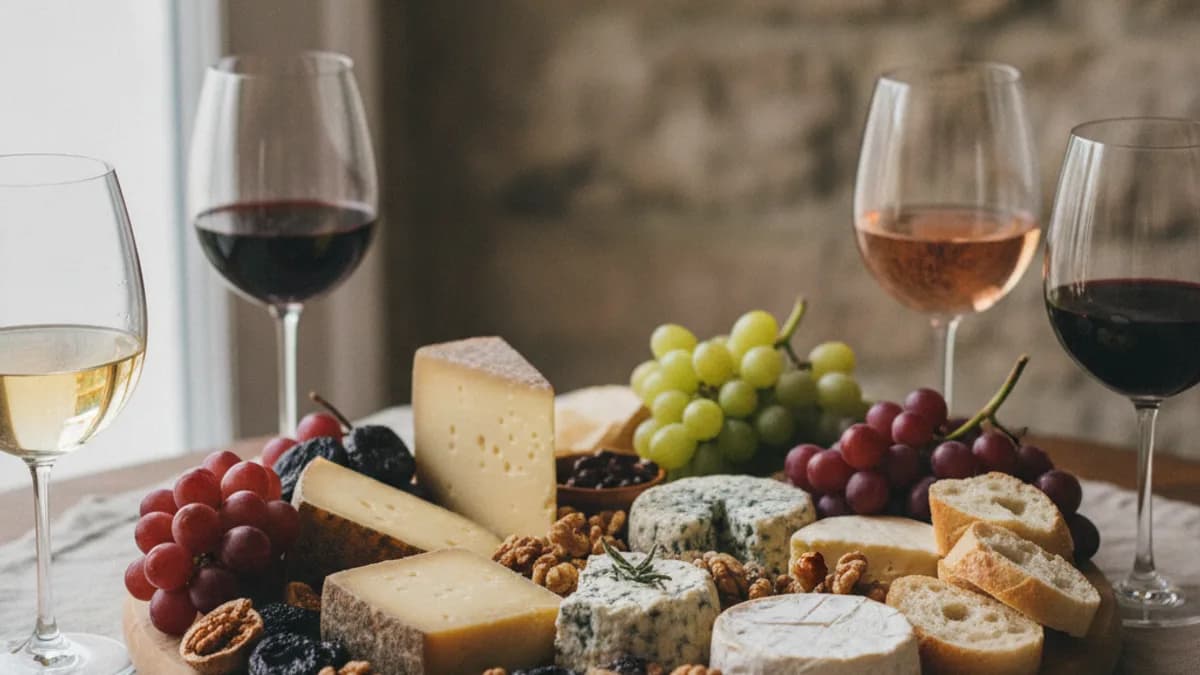
There's something magical about the moment a sip of wine meets a bite of perfectly matched cheese. I've spent years exploring wine country, and some of my most memorable tastings weren't at grand estates—they were simple afternoons with a good bottle, a cheese board, and friends who weren't afraid to experiment.
Wine and cheese pairing isn't some mysterious art reserved for sommeliers with decades of training. It's an accessible skill that transforms ordinary gatherings into something special. When you understand a few foundational principles, you can confidently navigate any cheese counter or wine shop and create combinations that make both elements sing.
It's not about impressing anyone—it's about savouring good company, a little beauty, and a moment worth remembering.
The beauty of pairing lies in how wine and cheese interact on your palate. A tannic red can soften against a rich, creamy cheese. A crisp white can cut through saltiness and refresh your taste buds. An aged cheddar can bring out fruit notes you never noticed in your favorite Cabernet. These aren't accidents—they're the result of understanding how flavors, textures, and intensities work together.
For those exploring Taste Chemistry: Surprising Expert Insights on Wine Pairings, the principles extend beyond cheese to create a foundation for all food and wine matching.
Regions like Sonoma have long understood this relationship. Places like Sonoma Cheese Factory have been perfecting the craft for 90 years, pairing award-winning local cheeses with Sonoma County wines. When producers grow up together in the same terroir, their products often complement each other naturally—the acidity of local wines balances the richness of regional cheeses in ways that feel almost intuitive.
This guide will walk you through everything you need to know to create your own memorable pairings. We'll tackle the common challenges that trip people up, break down practical pairing strategies, and share the tips that make the difference between a good pairing and a great one. Whether you're planning an intimate dinner or a casual tasting with friends, you'll finish with the confidence to trust your palate and create combinations that work.
Problem Statement
Let's be real: wine and cheese pairing sounds elegant in theory, but in practice? It's a minefield. You're standing in front of a cheese counter with thirty varieties, holding a bottle of wine you're not even sure you pronounce correctly, wondering if you're about to commit a culinary crime. The pressure is real.
Why Pairing Feels So Complicated
The biggest challenge is that both wine and cheese are incredibly complex on their own. A single cheese can have layers of flavor — nutty, sharp, creamy, funky — and wines bring their own parade of tastes, from fruit-forward to earthy to bone-dry. When you combine them, you're not just adding flavors together; you're creating a whole new experience. And sometimes, that experience is... not great.
Another common trap? Assuming that expensive automatically means compatible. I've seen people pair a $100 Cabernet with a delicate chèvre and wonder why it tastes like they're chewing on tannins. Price tags don't guarantee harmony.
The Overthinking Problem
Then there's the paralysis that comes from too many "rules." Red with hard cheese, white with soft cheese, never mix this with that — suddenly you're so worried about breaking the rules that you forget to trust your own taste. The truth is, pairing wine and cheese isn't about memorizing a rigid formula. It's about understanding a few key principles and then experimenting.
Complexity adds another layer of difficulty. Some wines, like Zinfandel or oaked Chardonnay, have multiple flavor profiles happening at once. Pair one of those with an equally complex aged Gouda, and you might end up with flavors fighting for attention rather than dancing together. It's like trying to listen to two conversations at once — exhausting, not enjoyable.
When Good Intentions Go Wrong
Maybe you've tried the classic "what grows together, goes together" approach and been disappointed. Or you followed a pairing chart from a magazine and still ended up with a mismatch. The problem isn't you — it's that pairing is as much about personal preference and context as it is about chemistry. What works at a summer picnic might fall flat at a winter dinner party.
The good news? Once you understand what makes pairings work (or fail), the whole process becomes way less intimidating. You'll stop second-guessing every choice and start actually enjoying the process of discovery. And that's where the real fun begins — learning to explore taste chemistry and surprising expert insights on wine pairings that can transform your approach.
Solution Steps for Perfect Wine and Cheese Pairing
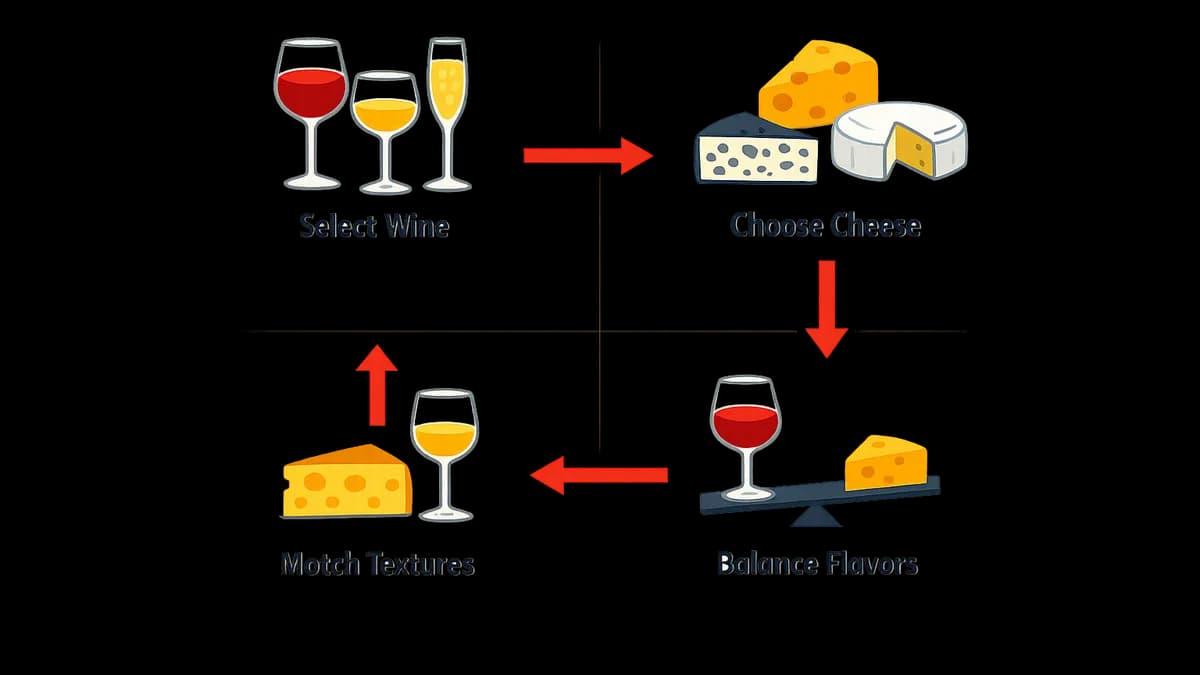
Once you understand the challenges, the path to great pairings becomes clear. The secret isn't memorizing a hundred combinations—it's learning a simple framework that works every time. These steps will guide you through the process, whether you're hosting a dinner party or just enjoying a quiet evening at home.
Step 1: Match Weight and Intensity
Start by considering the body and weight of both your wine and cheese. A bold, heavy cheese needs a wine with enough presence to stand up to it, while delicate cheeses pair best with lighter wines. Think of it like matching dance partners—they should move together, not step on each other's toes.
Step 1
Assess the cheese's intensity
Before reaching for a bottle, take a moment to evaluate your cheese. Is it mild and creamy, or sharp and aged? Fresh cheeses like chèvre are light and delicate, while aged cheddars or Gorgonzola bring bold, assertive flavors. The wine should match that energy level—light with light, bold with bold.
Step 2
Choose wine with similar body
Once you know your cheese's weight, select a wine that mirrors it. Lighter wines like Sauvignon Blanc work beautifully with fresh, mild cheeses. For richer, more intense cheeses, reach for fuller-bodied options like Cabernet Sauvignon or Syrah. The goal is balance—neither element should overpower the other.
Step 2: Decide Between Complement and Contrast
Every successful pairing follows one of two strategies: complementing similar flavors or creating exciting contrasts. Both approaches work beautifully when done intentionally.
Complementing pairings enhance each other's flavors. A buttery Chardonnay alongside a creamy Brie amplifies the richness in both. The flavors echo and build on one another, creating a harmonious experience.
Contrasting pairings create satisfying complexity by bringing opposites together. A sweet Riesling paired with a salty blue cheese is a classic example—the wine's sweetness balances the cheese's intensity, and the high acidity cuts through the richness. The contrast makes each element shine brighter.
Balance in pairings can come in two forms: compliment and contrast. Complimenting pairings enhance each other's flavors, while contrasting pairings create a satisfying complexity.
Step 3: Consider Texture and Mouthfeel
Texture matters as much as flavor. The way wine and cheese feel in your mouth—creamy, crisp, tannic, smooth—affects how well they work together.
Creamy cheeses benefit from wines with good acidity, which cuts through the richness and refreshes your palate. Hard, aged cheeses pair well with wines that have some tannin structure, as the protein in the cheese softens the wine's astringency. Soft, spreadable cheeses match beautifully with lighter, more delicate wines that won't overwhelm their subtle textures.
Step 4: Build Your Tasting Arc
When serving multiple pairings, order matters. Move from light to bold and dry to sweet to enhance the overall experience. Starting with a delicate pairing and finishing with something rich and intense prevents palate fatigue and lets you appreciate each combination fully.
This gentle arc keeps your taste buds engaged without overwhelming them. It's the same principle sommeliers use when planning wine flights—each step builds on the last, creating a journey rather than a jumble.
If you're planning a full wine country experience with multiple tastings, check out Tasting Experiences Napa: 12 Essential Secrets for the Best for more tips on structuring your day.
Tips and Tricks for Successful Pairing
Once you've got the basics down, it's the little details that turn a good pairing into a memorable one. Think of these tips as the shortcuts I've picked up over years of tasting—ways to make your wine and cheese spread feel effortless and impressive at the same time.
Choose Your Wines Thoughtfully
You don't need a dozen bottles to host a great pairing session. Three well-chosen wines that show contrast and personality will do more for your guests than a crowded table. A crisp white, a medium-bodied red, and something with a bit of sparkle or sweetness gives you range without overwhelming anyone.
Let Cheese Take Center Stage
Wine gets a lot of the glory, but cheese is doing half the work in a pairing. Let your cheeses come to room temperature before serving—cold cheese mutes flavor and texture. Arrange them from mildest to strongest so guests can build their palate without resetting between bites.
If you're working with a classic trio, try pairing a Viognier with a creamy cheese, Nebbiolo with something aged and nutty, and Shiraz with a bold blue. Each wine has enough structure to hold its own without overpowering the cheese.
Trust Regional Wisdom
When in doubt, pair wines and cheeses from the same region. There's built-in synergy in foods that grow together—Tuscan Pecorino with Sangiovese, French Comté with Burgundy, Spanish Manchego with Rioja. Regional pairings aren't just romantic; they're practical shortcuts that rarely disappoint.
Great pairings prioritize pleasure, not perfection—confidence matters more than complexity.
Keep It Simple and Seasonal
Don't overthink the accompaniments. A few crackers, some fresh fruit, and maybe a drizzle of honey or a handful of nuts are all you need. The goal is to enhance the wine and cheese, not compete with them. And if you're planning a pairing event in wine country, check out the Napa Valley Events Calendar to time your tasting with seasonal festivals and harvest celebrations.
Taste, Adjust, Repeat
The best way to learn is by tasting. Start with a bite of cheese, then a sip of wine, and notice what happens. Does the wine taste brighter? Does the cheese feel richer? If something feels off, swap the pairing and try again. There's no failing here—just discovering what you like.
Conclusion
Wine and cheese pairing isn't some exclusive club with secret handshakes — it's just about paying attention to what you like and why. Start with the basics we've covered: match intensity, play with textures, and don't overthink it. The more you taste, the more you'll trust your own palate over any rule book.
I've spent years tasting through vineyards and cheese caves, and honestly? The pairings I remember most weren't the "perfect" ones from textbooks. They were the ones where someone took a risk, tried something weird, and we all leaned in to see if it worked. Sometimes it didn't. But when it did, it was magic.
Grab a bottle, pick up a few cheeses, and start experimenting. Keep notes if you want, or just enjoy the moment. Either way, you're building your own pairing instincts with every bite and sip. And if you're planning a trip to explore more pairings in person, check out Things to Do in Napa Valley: A Region-by-Region Guide for inspiration on where to taste next.
The best pairing is the one you're excited to share with someone. So pour generously, taste curiously, and remember — it's not about impressing anyone. It's about savoring good company, a little beauty, and a moment worth remembering.