Best Views in Napa and Sonoma: Where to Taste Above the Valley
Discover the best views in Napa and Sonoma at wineries perched above the valley, offering stunning panoramas with your wine tasting experience.
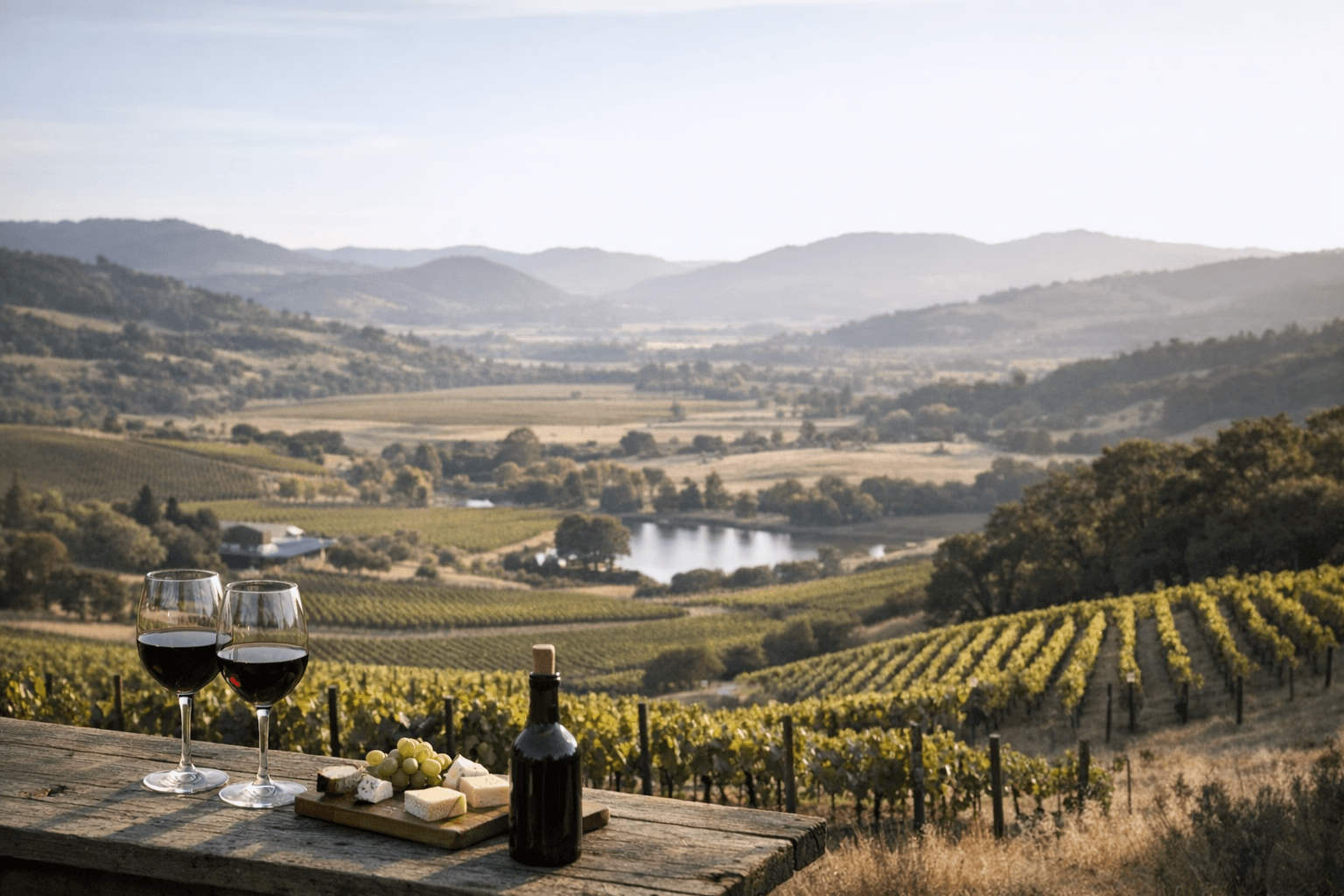
There's a particular kind of magic that happens when you lift a glass of Pinot Noir and the whole of Sonoma County stretches out below you—rolling vineyards, oak-studded hills, a ribbon of morning fog burning off the Laguna. I grew up in this wine country, and I still catch my breath at those views. The wine is wonderful, of course. But it's the pairing of what's in your glass with what's on the horizon that makes a day in the hills unforgettable.
If you're hunting for the best Sonoma wineries with a view, you've come to the right corner. I've spent years driving these back roads, and I want to point you toward the tasting rooms where the scenery does half the pouring. Let's climb above the valley together.
Top Wineries with Scenic Views
Sonoma County has no shortage of pretty places to sip, but a handful of wineries sit high enough—or perched just right—to give you those sweeping, jaw-dropping vistas. These are the spots I send friends to when they want the full above-the-valley experience.
Notre Vue Estate & Winery and Vineyards
The verdict: If you want the biggest, most cinematic view in the region, this 710-acre estate delivers a summit panorama you won't forget.
Just minutes south of Healdsburg and right in Windsor's backyard, Notre Vue—French for "Our View"—earns its name honestly. From the summit, you're looking out over a patchwork of vineyards and protected open space woven seamlessly together. The property sets aside 350 acres as "Forever Wild" protected land, with another 250 acres of rolling vineyards. The wines are made in a European style that leans toward finesse and purity, which suits the refined setting.
- Best for: Sweeping summit panoramas and big-property grandeur
- Key detail: 710 acres, including 350 acres of protected open space
Visit the directory listing
Fog Crest Vineyard
The verdict: One of the most beautiful views in Sonoma County, paired with award-winning wines and a genuinely lovely patio.
Perched high atop the Laguna de Santa Rosa in Sebastopol, Fog Crest's well-appointed tasting room claims one of the finest views in the county—and I'd be hard-pressed to argue. This is a stay-a-while kind of place: come for the award-winning wines, then linger over locally sourced artisanal cheeses or a gourmet lunch served out on the sunny patio.
- Best for: A leisurely lunch with a view
- Key detail: 7606 Occidental Road, Sebastopol
Visit the directory listing
Karah Estate Vineyard
The verdict: A hilltop perch above Highway 101 with estate-grown, cool-climate Pinot Noir and Chardonnay.
Seated on the crown of a hill above Highway 101, Karah Estate enjoys a panoramic view of the surrounding county. That steady breeze rolling in off the Sonoma Coast creates ideal conditions for high-quality Pinot Noir and Chardonnay. Everything here is estate wine—grown, harvested, bottled, and aged by their own team. There's something satisfying about tasting wines that come entirely from the very ground you're admiring.
- Best for: Estate-only, cool-climate Pinot and Chardonnay
- Key detail: Hilltop panorama above Highway 101
Visit the directory listing
Halleck Vineyard
The verdict: Intimate, guided tastings of eight cool-climate varietals with a wide view of the rolling hills.
Halleck Vineyard's Sebastopol tasting experiences are guided and intimate—exactly the kind of unhurried afternoon I love. You'll sip eight cool-climate varietals paired with delicacies from local Sonoma Valley purveyors, all while the estate commands an expansive view of the rolling hills to the northeast. Halleck is known for award-winning Pinot Noir and white wines from the Russian River Valley, Sonoma Coast, North Coast, and Sonoma Mountain.
- Best for: Small-group, guided tastings with food pairings
- Key detail: Eight cool-climate varietals in one seated flight
Visit the directory listing
Landmark Vineyards
The verdict: Foothill tastings with picnic grounds, bocce, and stunning views of Sugarloaf Ridge.
Down in Sonoma Valley, at the foothills of the Mayacamas Mountains on the corner of Highway 12 and Adobe Canyon Road, Landmark offers daily tastings of its signature wines plus small-production, winery-exclusive Chardonnays and Pinot Noirs. The lovely picnic grounds feature a bocce ball court and those stunning views of Sugarloaf Ridge. Bring a blanket and make an afternoon of it.
- Best for: Picnicking and bocce with a mountain-ridge backdrop
- Key detail: Reservations required for groups of six or more
Visit the directory listing
| Winery | Best for | Price | Key spec |
|---|---|---|---|
| Notre Vue Estate | Grand summit panoramas | Varies by tasting | 710-acre estate near Healdsburg |
| Fog Crest Vineyard | Patio lunch with a view | Varies by tasting | Perched above Laguna de Santa Rosa |
| Karah Estate | Estate-only cool-climate wines | Varies by tasting | Hilltop above Highway 101 |
| Halleck Vineyard | Intimate guided tastings | Varies by tasting | Eight varietals, food pairings |
| Landmark Vineyards | Picnicking and bocce | Varies by tasting | Views of Sugarloaf Ridge |
Unique tasting experiences
Not every memorable pour requires a summit. Down near the Sonoma Plaza, WALT Sonoma offers award-winning Pinot Noir and Chardonnay in a tasting room that combines the warmth of a home with the inspiration of an art gallery. It's steeped in Sonoma history and charm, and the passionate staff will guide you through a portfolio drawn from expressive Pacific Coast vineyards. When the weather turns and you want something cozy and cultured rather than windswept, this is my pick.
For a completely different vibe, Little Vineyards Family Winery in Glen Ellen leans into personality. Wine and music are their twin passions—they make estate wines they hope you'll enjoy while listening to your favorite songs, and there may well be a band practicing in the studio when you visit. It's a reminder that "unique" doesn't always mean fancy. Sometimes it just means fun.
Best times to visit
Timing shapes everything about a view-focused day in wine country. Here's how I plan it:
- Late morning to early afternoon is prime time for hilltop wineries. The coastal fog that gives Sonoma its cool-climate character usually clears by mid-morning, opening up those long views.
- Golden hour on a west-facing patio like Fog Crest's is hard to beat, though later tasting slots can fill quickly.
- Weekdays are quieter, giving you more time with the staff and the scenery.
The wine is wonderful, of course. But it's the pairing of what's in your glass with what's on the horizon that makes a day in the hills unforgettable.
Wine and View Pairings
A great view deserves the right wine—and the right bite. Here's how I like to match what's in the glass to where I'm standing.
Recommended wine pairings
Sonoma's hilltop and coastal wineries specialize in cool-climate Pinot Noir and Chardonnay, and there's a reason. That steady ocean breeze, so evident up at Karah Estate and out toward the coast, slows ripening and preserves the bright acidity and finesse these varietals are known for.
- A crisp, cool-climate Chardonnay is my go-to for a sunny patio afternoon—think Fog Crest or Landmark, where the wine's brightness echoes the open sky.
- Pinot Noir shines when there's a little more depth to the setting—the layered vineyard views at Notre Vue, made in that finesse-driven European style, call for a wine with some quiet complexity.
- A varietal flight like Halleck's eight-wine lineup lets you taste how the same grape shifts across the Russian River Valley, Sonoma Coast, and Sonoma Mountain—a small geography lesson in a glass.
Food options
Several of these wineries make it easy to turn a tasting into a meal. Fog Crest serves locally sourced artisanal cheeses and gourmet lunches on the patio. Halleck pairs its flights with delicacies from local Sonoma Valley purveyors. And if you want a true destination dinner with a view, the Sonoma Coast has River's End Restaurant, known for top-rated dining and sensational coastal views—a spectacular way to close out a day spent tasting above the valley.
Seasonal highlights
Each season gives the views a different mood. Spring brings bright green vineyard rows and wildflowers across the open space at places like Notre Vue. Summer is peak patio weather—long days, warm evenings, and that golden light. Fall is harvest, when the vineyards glow amber and the whole county hums with activity. And winter, while quieter, has its own charm: dramatic fog, moody skies, and far fewer visitors, which means those cozy tasting rooms like WALT feel like your own private retreat.
Planning Your Visit
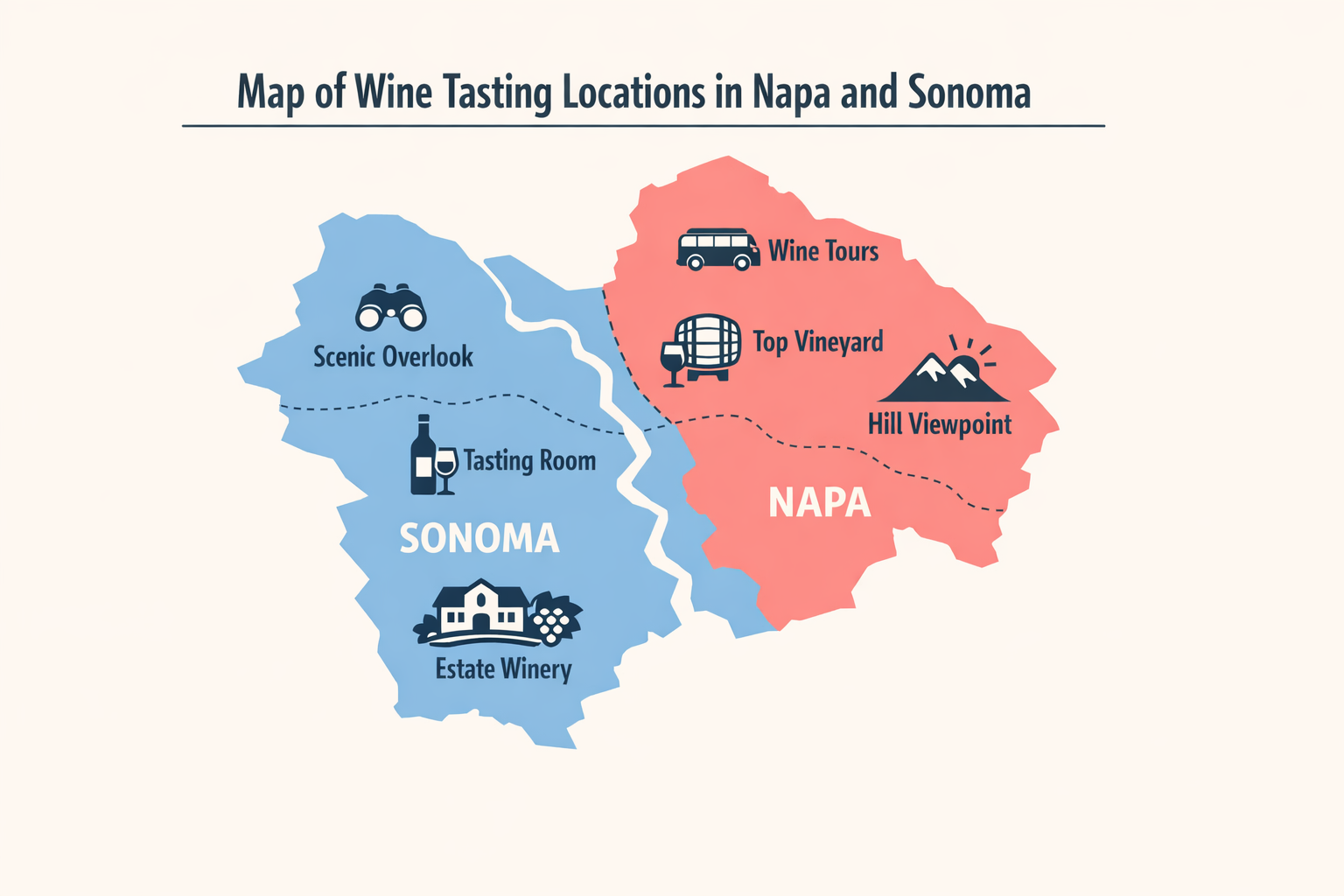
A little planning goes a long way toward a smooth day in the hills. Here's how I'd map it out.
Best wineries to visit
If you only have time for one or two stops, choose based on the experience you're after:
- For the biggest views, head to Notre Vue's summit near Healdsburg.
- For a relaxed patio lunch, Fog Crest in Sebastopol is my pick.
- For an intimate, guided flight, book Halleck Vineyard.
- For picnicking and lawn games, Landmark in Sonoma Valley delivers.
- For a town-center, art-gallery vibe, WALT Sonoma sits just off the Sonoma Plaza.
Tips for reservations
Step 5
Check reservation policies first
Policies vary by winery. Landmark requires reservations for groups of six or more, and St. Francis Winery & Vineyards highly recommends reservations while still welcoming walk-ins. Confirm ahead so you're not turned away.
Step 6
Book intimate tastings early
Guided, seated experiences like Halleck's have limited capacity. If you have your heart set on one, reserve well in advance—especially on weekends and during harvest.
Step 7
Group your stops geographically
Cluster wineries by area—Sebastopol/Windsor to the west and north, Sonoma Valley to the east—to minimize drive time and maximize time with your glass and the view.
Step 8
Leave room in the schedule
The best moments in wine country happen when you linger. Plan two, maybe three stops in a day, not five. A relaxed pace is what makes the views sink in.
Transportation options
The vineyards that offer the best views tend to sit on hilltops and along winding rural roads, which is exactly why you should plan your driving carefully. Because a day of tasting means a day of sipping, arrange a designated driver, a car service, or a guided tour so everyone can enjoy the wines responsibly. If you're pairing wineries in different areas—say a coastal-influenced spot near Sebastopol and a Sonoma Valley picnic winery—factor in the drive time between them and the twisting foothill roads near places like Landmark on Adobe Canyon Road.
Events and Activities
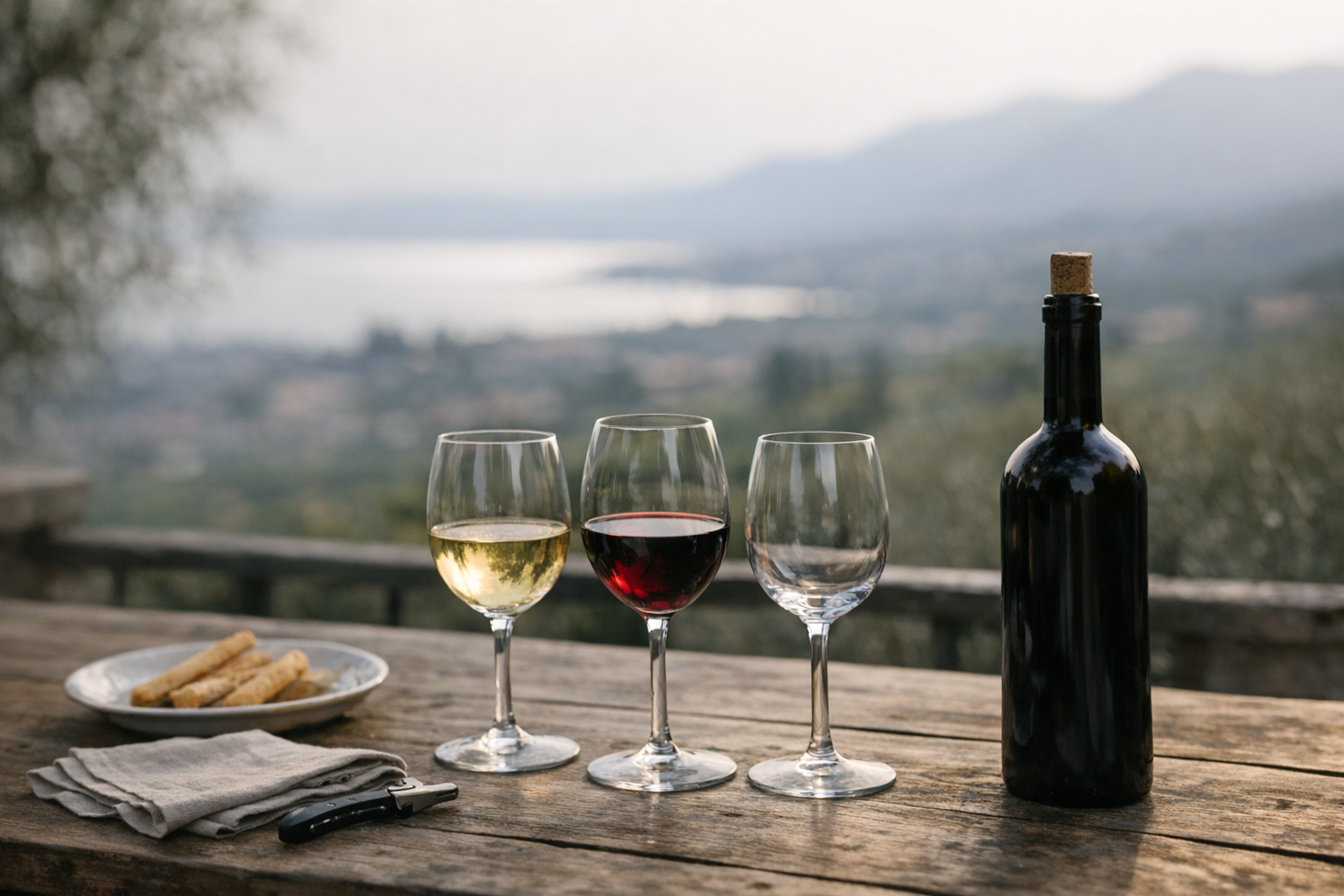
The view is the main event, but there's plenty more to fill a day above the valley.
Special events at wineries
Many Sonoma wineries host special tastings, release events, and gatherings throughout the year. St. Francis Winery & Vineyards positions itself as a must-visit family-friendly destination in the heart of Sonoma Valley, making it easy to bring the whole crew along for a leisurely day. And at Little Vineyards, the intersection of wine and live music means your visit might come with a soundtrack. Always check a winery's calendar before you go—the experience can change dramatically from a quiet weekday tasting to a lively event weekend.
Outdoor activities
Some of these properties invite you to do more than sip:
- Bocce ball on the picnic grounds at Landmark is a delightful way to spend a warm afternoon between tastings.
- Picnicking with a purchased bottle turns a tasting into a full afternoon at wineries with lawns and views.
- Wandering the grounds at a big estate like Notre Vue, with its 350 acres of protected wild land, offers a chance to appreciate the landscape up close, not just from the tasting room window.
Seasonal festivals
Sonoma County comes alive with wine and food celebrations throughout the year, and the rhythm follows the vineyard. Harvest season in the fall is especially festive across wine country, as the vineyards you've been admiring get picked and pressed. Spring and summer bring their own celebrations of the season's bounty. Because event schedules shift year to year, I always recommend checking with individual wineries and local tourism resources before planning a trip around a specific festival—and building in flexibility so you can join whatever's happening while you're there.
Plan two, maybe three stops in a day, not five. A relaxed pace is what makes the views sink in.
Conclusion and Recommendations
Sonoma's hilltop and coastal wineries offer something you simply can't bottle: the marriage of a beautiful wine with an unforgettable view. From the grand summit panorama at Notre Vue to the patio lunches at Fog Crest, the estate-grown Pinot at Karah, the intimate guided flights at Halleck, and the picnic-and-bocce afternoons at Landmark, each of these spots gives you a different way to taste above the valley.
My final tips: book ahead where reservations are required, keep your schedule loose enough to linger, always arrange safe transportation, and let the season shape your plans. Pack a picnic if the winery allows it, and don't rush past that moment when the fog lifts and the whole county opens up in front of you.
Most of all—go. Wine country rewards the curious. Climb a hill, find a patio, raise a glass, and let the view do the rest. I'll see you up there.
Related reading
Things to Do in Napa Valley: A Region-by-Region Guide
Things to Do in Napa: 18 Ways to Spend a Day in the City
Related reading
Napa Photography Spots: Six Public Places to Explore
Undiscovered Wineries: 7 Surprising Essential Sonoma County Gems
Indulge in the Delights of Healdsburg's Best Delis and Wineries
Spottswoode Sauvignon Blanc 2020 - Napa Valley & Sonoma County